
OEM vs ODM Clothing Manufacturers: Key Differences, Costs, and Which Is Right for Your Brand
If you’re launching or scaling a clothing brand, one of the first make-or-break decisions you’ll face is choosing between manufacturing partners. The terms “OEM” and “ODM” get thrown around constantly, but many new brand owners struggle to parse the nuances—and picking the wrong model can derail your budget, timeline, or unique brand identity. That’s why understanding the difference between an OEM vs ODM Clothing manufacturer is critical. In this guide, we’ll break down core definitions, key operational differences, pros and cons of each model, cost comparisons, minimum order requirements, and tailored guidance for startups to help you make an informed choice aligned with your brand’s goals.
(If you are still evaluating suppliers, you may also want to read our guide on how to choose a clothing manufacturer.)
OEM vs ODM Clothing Manufacturers: Core Definitions & Key Differences
Before diving into the details, let’s start with the basics. At their core, OEM and ODM models represent two distinct ways to bring clothing products to market, each with its own set of responsibilities for the brand and manufacturer. This section will clarify what each term means and outline the OEM vs ODM differences that matter most for your business.
What Is an OEM Clothing Manufacturer?
OEM stands for Original Equipment Manufacturer, but in the clothing industry, it’s better understood as Original Design Manufacturer (a common industry adaptation of the acronym). An OEM clothing manufacturer takes your fully developed designs, technical specifications, and material requirements and turns them into finished products.
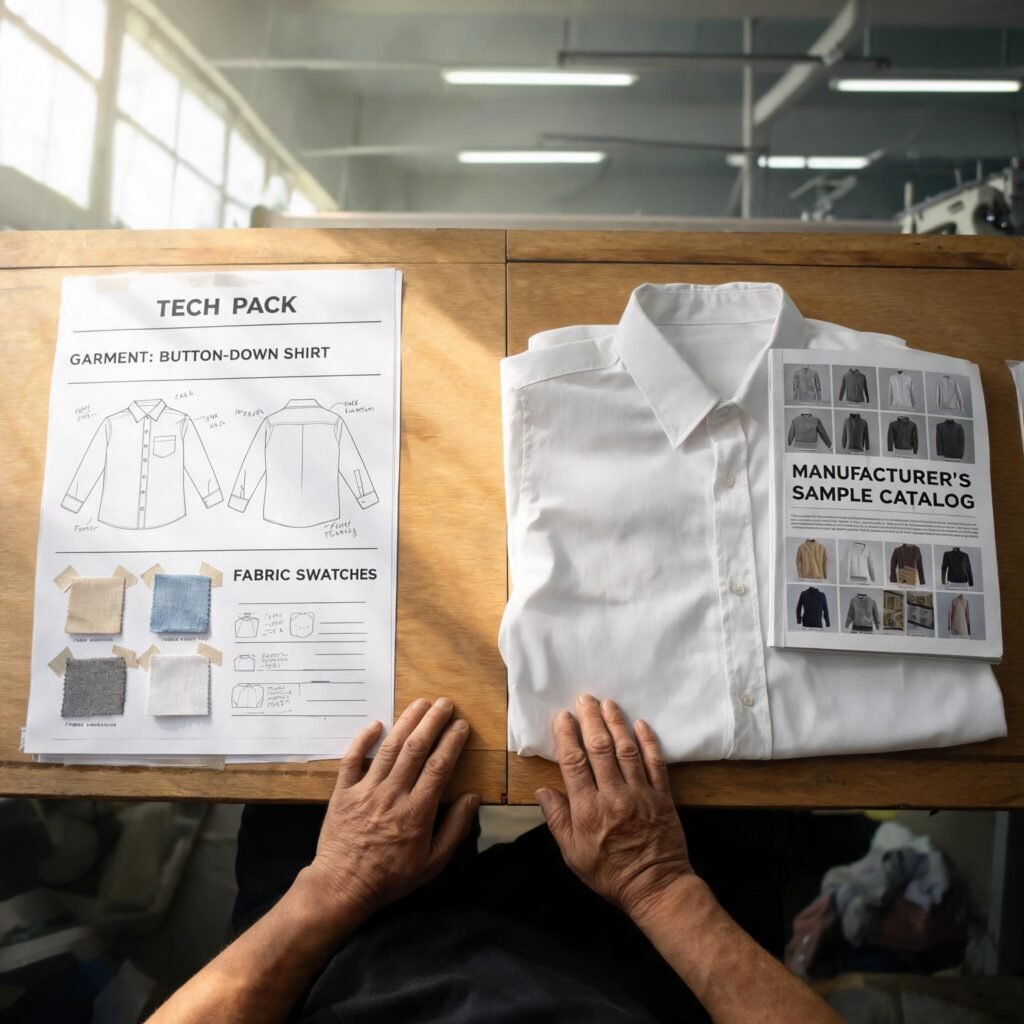
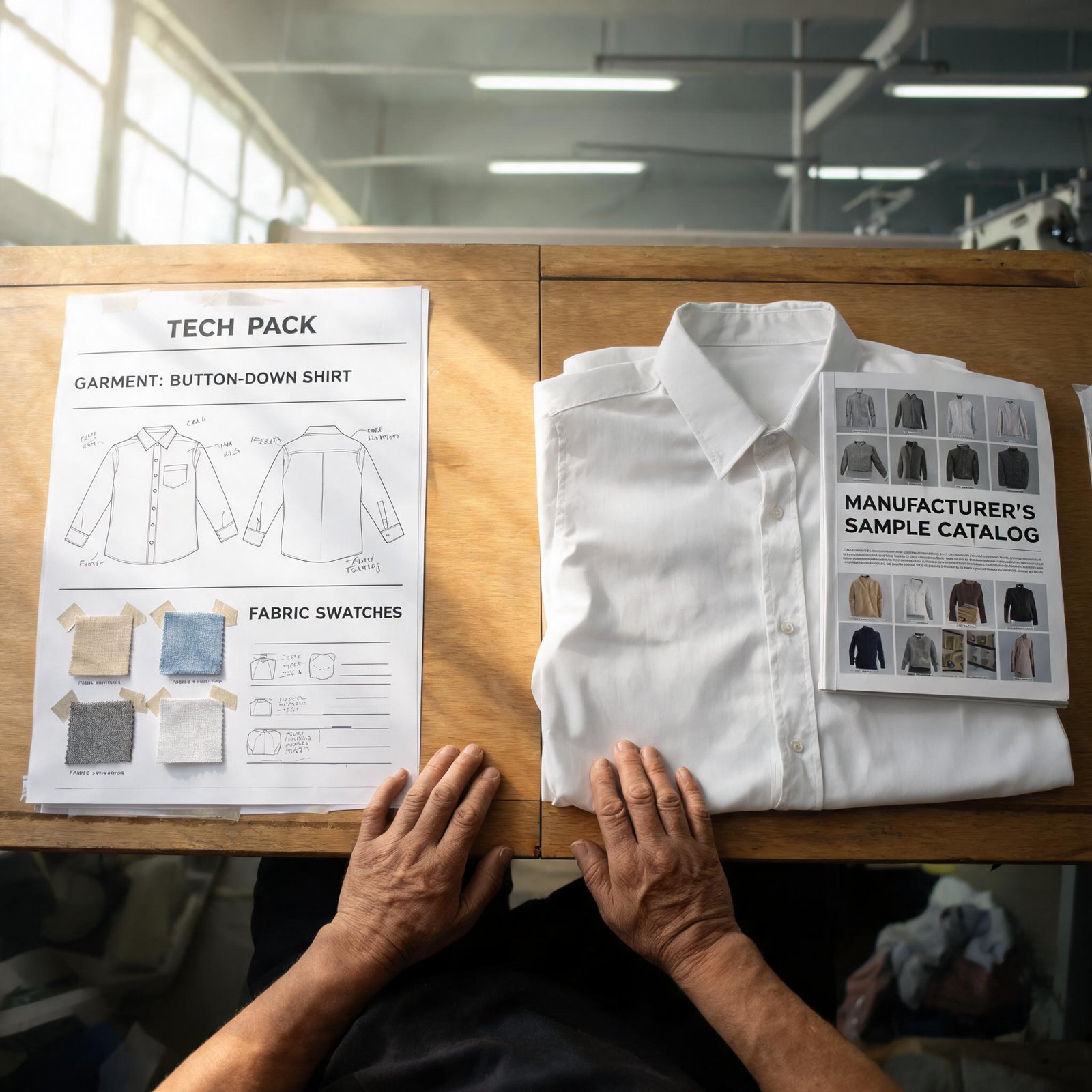
Here’s how it works: Your brand owns the entire creative process—you sketch the designs, select fabrics and trims, create detailed tech packs with measurements and construction notes, and even specify labeling and packaging. The OEM’s role is strictly execution: sourcing the materials you approve, cutting and sewing the garments, and ensuring the final product matches your exact specifications.
For example, if you’re a sustainable activewear brand that’s spent months perfecting a moisture-wicking fabric blend and a ergonomic leggings design, an OEM would take your tech pack and produce the leggings exactly as you’ve outlined. You retain full ownership of the design, and the manufacturer can’t sell that same product to another brand without your permission.
OEM production usually starts with sampling and development stages,many brands underestimate the complexity of sample development.
What Is an ODM Clothing Manufacturer?
ODM stands for Original Design Manufacturer. Unlike OEMs, ODM clothing manufacturers come to the table with pre-existing, ready-to-produce designs that you can customize and rebrand as your own.
In this model, the manufacturer handles the entire design process: they create patterns, select materials, develop prototypes, and refine products based on market trends and consumer demand. Your brand’s role is to choose from their existing catalog of designs, make minor tweaks (like adjusting colors, adding your logo, or modifying a small detail), and then put your brand name on the finished product.
A common example is a startup streetwear brand that wants to launch a line of hoodies without investing in design resources. They’d work with an ODM that has a library of hoodie patterns, pick a style they like, choose a heather gray fabric instead of black, add their brand’s embroidered logo on the chest, and sell the hoodies under their own label. The ODM retains ownership of the original design, meaning they can sell the same base hoodie to other brands (with different customizations).
ODM solutions often depend heavily on fabric selection.
👉 Sourcing and Choosing the Right Fabrics for Brands: A Complete Guide
👉 Fabric Performance vs. Wear Experience: Critical Gaps Clothing Brands Are Missing
Critical Operational Differences Between OEM and ODM
Now that you understand the basic definitions, let’s break down the OEM vs ODM differences that will impact your day-to-day operations, brand control, and bottom line:
- Design Ownership & Control: With OEM, your brand owns 100% of the design and intellectual property. You have full control over every detail, from fabric composition to stitching techniques. With ODM, the manufacturer owns the core design—you can customize it, but major changes (like altering the silhouette or construction) are often not possible without significant additional costs.
- Creative Input: OEM requires your brand to have a dedicated design team or access to freelance designers to create tech packs and finalize specifications. ODM is ideal for brands without in-house design resources, as the manufacturer provides turnkey design solutions.
- Time to Market: ODM typically has a faster time to market because the designs are already developed and tested. You can select a design, make minor tweaks, and go into production in weeks. OEM requires more upfront time for design, prototyping, and revision cycles, which can take months before production begins.
- Product Uniqueness: OEM allows you to create completely unique products that stand out in the market—no other brand will have the exact same garment. ODM products are inherently less unique, as multiple brands can use the same base design with different customizations.
- Manufacturer Expertise: OEMs specialize in executing precise designs, so they’re ideal if you have specific technical requirements (like waterproof outdoor gear or medical-grade compression wear). ODMs specialize in creating market-ready, trend-driven products, so they’re great if you want to capitalize on current fashion trends without investing in design.
OEM Clothing: Pros, Cons, and Ideal Use Cases
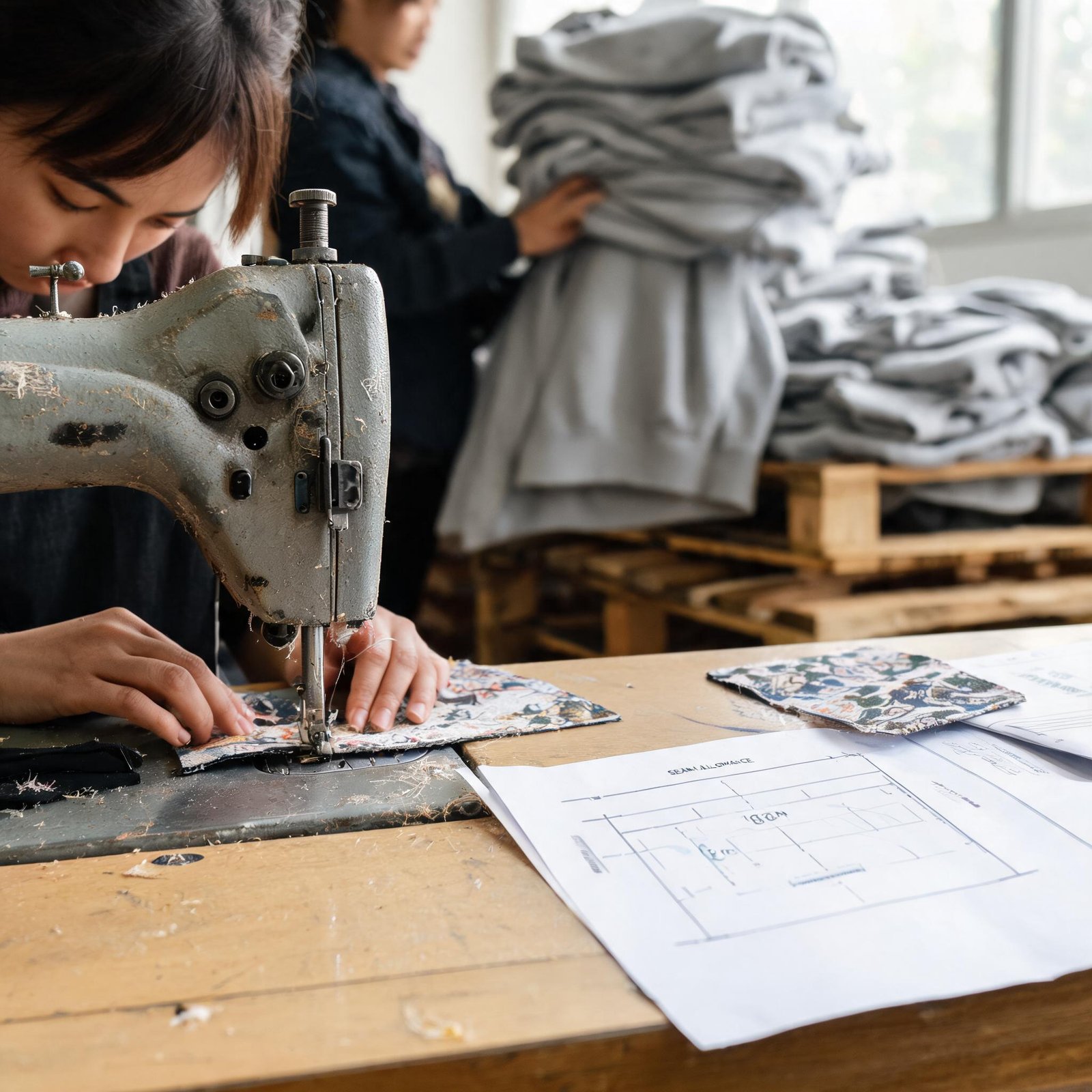
Now that we’ve covered the core definitions, let’s dive deeper into the OEM clothing pros cons to help you evaluate if this model is a fit for your brand.
Advantages of Working With an OEM Clothing Manufacturer
- Full Creative Control: The biggest benefit of OEM is that you’re in the driver’s seat of every creative decision. Whether you want to use a rare organic fabric, a unique stitching pattern, or a custom fit for a niche audience, an OEM will bring your vision to life exactly as you’ve planned. This level of control is essential for brands that want to build a distinct identity or cater to a specific market segment.
- Intellectual Property Ownership: When you work with an OEM, you own all rights to your design. This means the manufacturer can’t reproduce or sell your product to other brands, protecting your brand’s uniqueness and market position.
- Customization Flexibility: OEMs are equipped to handle highly customized requests, from small-batch runs of a niche garment to large-scale production of a complex product. If you need to adjust a design mid-production (like modifying a size chart or switching to a more sustainable fabric), OEMs are generally more willing and able to accommodate these changes than ODMs.
- Long-Term Brand Differentiation: By creating unique products, you’ll stand out from competitors who rely on ODM’s off-the-shelf designs. This can help you build a loyal customer base that values your brand’s originality and attention to detail.
Disadvantages of OEM Clothing Manufacturing
- Higher Upfront Costs: Developing custom designs, creating detailed tech packs, and producing prototypes can be expensive. You’ll need to invest in design resources, and prototype iterations can add up quickly before you even start full production.
- Longer Lead Times: The design and prototyping process for OEM can take 3–6 months (or longer for complex products), which means it takes longer to get your products to market. This can be a challenge if you’re trying to capitalize on a fast-moving trend or launch your brand quickly.
- Requires Design Expertise: To work with an OEM effectively, you need a solid understanding of clothing design, technical specifications, and manufacturing processes. If you don’t have an in-house design team, you’ll need to hire freelance designers or consultants, which adds to your costs.
- Higher Minimum Order Quantities (MOQs): OEMs often require higher MOQs because they need to set up production lines specifically for your custom design. This can be a barrier for startups or small brands with limited capital.
Who Should Choose an OEM Model?
OEM is the right choice for:
– Established brands with an in-house design team and the budget to invest in custom product development.
– Niche brands that cater to a specific audience (like plus-size activewear, sustainable luxury clothing, or performance outdoor gear) where uniqueness is a key selling point.
– Brands that prioritize full control over their product’s design, materials, and quality.
– Brands looking to build a long-term, differentiated brand identity that can’t be replicated by competitors.
ODM Clothing: Pros, Cons, and Ideal Use Cases
Next, let’s explore the ODM clothing pros cons to help you weigh this model against OEM.
Advantages of Working With an ODM Clothing Manufacturer
- Lower Upfront Costs: Since the design is already developed, you don’t need to invest in design resources or prototype iterations. This makes ODM a much more affordable option for startups or brands with limited capital.
- Faster Time to Market: ODM designs are ready to produce, so you can select a style, make minor customizations, and start production in as little as 2–4 weeks. This is ideal for brands that want to launch quickly or capitalize on seasonal trends.
- No Design Expertise Required: You don’t need to have a background in clothing design to work with an ODM. The manufacturer handles all the design and technical work, so you can focus on branding, marketing, and sales.
- Proven Market-Ready Products: ODMs develop their designs based on market research and consumer demand, so you can be confident that the products you’re selling are already appealing to your target audience. This reduces the risk of launching a product that doesn’t sell.
- Lower Minimum Order Quantities (MOQs): ODMs often have lower MOQs because they produce the same base design for multiple brands, spreading the cost of production across multiple clients. This makes it easier for startups to test the market without investing in large inventory orders.
Disadvantages of ODM Clothing Manufacturing
- Limited Creative Control: You can only make minor customizations to the ODM’s pre-existing designs. Major changes (like altering the silhouette, fabric type, or construction) are often not possible without significant additional costs or long lead times. This can make it hard to create a truly unique brand identity.
- Shared Design Ownership: The ODM owns the core design, which means they can sell the same base product to other brands. This can lead to market saturation, where multiple brands are selling nearly identical products, making it harder to stand out.
- Less Flexibility in Materials: ODMs typically use pre-selected materials for their designs to keep costs low. If you want to use a specific sustainable fabric or a unique trim, you may not be able to do so without paying a premium or waiting for the manufacturer to source the material.
- Quality Variability: While many ODMs produce high-quality products, some cut corners to keep costs low. It’s important to thoroughly vet ODMs and request samples before placing a large order to ensure the quality meets your brand’s standards.
Who Should Choose an ODM Model?
ODM is the right choice for:
– Startups or new brands with limited capital and no in-house design resources.
– Brands that want to test the market with a small inventory order before investing in custom design.
– Brands that focus on fast fashion or seasonal trends, where speed to market is critical.
– Brands that prioritize affordability and simplicity over full creative control.
– Brands that sell basic, staple items (like t-shirts, hoodies, or leggings) where uniqueness is not a key selling point.
OEM vs ODM Clothing: Cost, Minimum Orders, and Startup-Focused Comparison
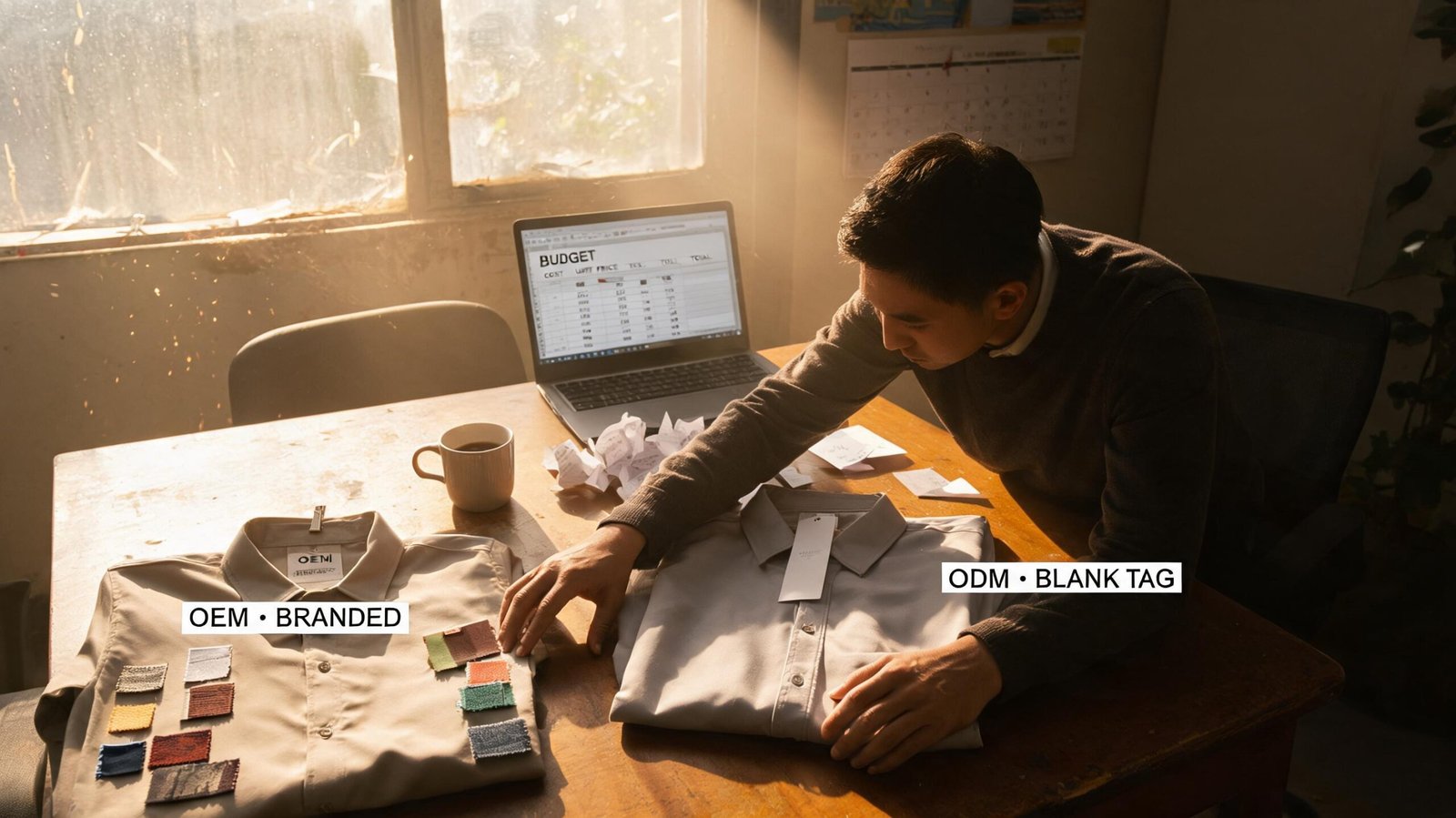
Now that we’ve covered the pros and cons of each model, let’s dive into the practical details that matter most for your budget and operations: OEM vs ODM cost comparison, minimum order requirements, and guidance for startups choosing between ODM vs OEM for startups.
OEM vs ODM Cost Comparison: Production, Design, and Overhead
When comparing costs between an OEM vs ODM Clothing manufacturer, it’s important to consider both upfront costs and per-unit costs:
Upfront Costs
- OEM: Upfront costs are significantly higher. You’ll need to pay for design services (if you don’t have an in-house team), tech pack creation, prototype development, and sample iterations. These costs can range from a few thousand dollars to tens of thousands, depending on the complexity of the design.
- ODM: Upfront costs are minimal. The only upfront costs are typically sample fees (to test the product’s quality and fit) and any customization fees (like adding your logo or changing the fabric color). These costs are usually a few hundred dollars, making ODM much more accessible for startups.
Per-Unit Costs
- OEM: Per-unit costs are often higher than ODM because the manufacturer is producing a custom design for your brand exclusively. They can’t spread the cost of production setup across multiple clients, so you’ll pay more per garment. However, per-unit costs can decrease significantly with larger order quantities.
- ODM: Per-unit costs are lower because the manufacturer produces the same base design for multiple brands. This allows them to take advantage of economies of scale, reducing the cost per garment. However, customizations (like unique fabrics or special branding) can increase per-unit costs.
Overhead Costs
- OEM: You’ll need to invest in ongoing design resources to create new products and update existing ones. You’ll also need to spend time managing the production process, including approving materials, reviewing samples, and ensuring quality control.
- ODM: Overhead costs are lower because the manufacturer handles the design and production process. You’ll only need to focus on branding, marketing, and sales, which frees up time and resources for other aspects of your business.
Minimum Order Requirements: OEM vs ODM Clothing Manufacturers
OEM vs ODM minimum orders are another key factor to consider, especially for startups with limited capital:
- OEM: MOQs for OEM are typically higher, ranging from 500–2,000 units per style. This is because the manufacturer needs to set up production lines specifically for your custom design, which requires a significant investment in time and resources. Some small-batch OEMs offer lower MOQs (100–500 units), but these often come with higher per-unit costs.
- ODM: MOQs for ODM are much lower, ranging from 50–500 units per style. Since the manufacturer produces the same base design for multiple brands, they can afford to accept smaller orders. Some ODMs even offer MOQs as low as 10–20 units for testing purposes, though these will have higher per-unit costs.
It’s important to note that MOQs can vary significantly depending on the manufacturer, the complexity of the product, and the materials used. Always ask for a detailed quote that includes MOQs, per-unit costs, and any additional fees before making a decision.
ODM vs OEM for startups: Which Model Fits Your Budget and Goals?
For startups, choosing between ODM vs OEM for startups comes down to balancing budget, speed to market, and long-term brand goals:
Choose ODM If:
- Haggle with a limited budget and can’t afford the upfront costs of custom design.
- You want to launch your brand quickly and test the market with a small inventory order.
- You don’t have in-house design resources or expertise.
- Your brand focuses on basic, staple items or fast fashion trends where uniqueness is not a key selling point.
ODM is a great way to get your brand off the ground without making a huge financial investment. Once you’ve established a customer base and generated revenue, you can transition to OEM to create custom products and differentiate your brand.
Choose OEM If:
- You have a clear brand vision and want to create unique products that stand out in the market.
- You have the budget to invest in custom design and prototype development.
- You have access to design resources (either in-house or freelance).
- Your brand caters to a niche audience where uniqueness and quality are key selling points.
While OEM requires a larger upfront investment, it can pay off in the long run by helping you build a loyal customer base and a differentiated brand identity. If you’re a startup with limited capital, you can start with a small-batch OEM to test the market before scaling up.
Choosing between OEM and ODM is also closely related to factory capability and quality standards.
👉 How to Be a Reliable Clothing Manufacturing Partner: Key Qualities & Best Practices
👉 2026 Clothing Factory Quality Service: Standards, Trends, and Best Practices for Brands
👉 12 Essential Questions To Ask For Choosing Athletic Clothing Manufacturers
Conclusion
Choosing between an OEM vs ODM Clothing manufacturer is a critical decision that will impact your brand’s identity, budget, and time to market. To recap:
- OEM offers full creative control, intellectual property ownership, and unique products, but comes with higher upfront costs, longer lead times, and higher MOQs. It’s ideal for established brands, niche brands, and those prioritizing differentiation.
- ODM offers lower upfront costs, faster time to market, and lower MOQs, but comes with limited creative control and shared design ownership. It’s ideal for startups, fast fashion brands, and those prioritizing affordability and speed.
Many brands choose their manufacturing model based on market trends and collection strategy.
👉 Activewear Trends 2026: What New Brands Need to Succeed in the Evolving Market
When evaluating OEM vs ODM differences, consider your brand’s long-term goals, budget, design resources, and target audience. For startups, ODM vs OEM for startups often boils down to testing the market with ODM first, then transitioning to OEM as you grow. For established brands, OEM is often the best choice to maintain control and differentiation.
Ultimately, the right choice depends on your unique brand needs. If you’re still unsure, consider reaching out to both OEM and ODM manufacturers to request quotes, samples, and guidance. Many manufacturers offer free consultations to help you choose the model that aligns with your goals. By taking the time to understand the pros, cons, costs, and minimum order requirements of each model, you’ll be able to make an informed decision that sets your brand up for success.
Need a Reliable Clothing Manufacturing Partner?
👉 Contact us today to discuss your project