Activewear Fabric Selection: Moisture-Wicking, Quick-Dry, and Yoga-Specific Options Explained
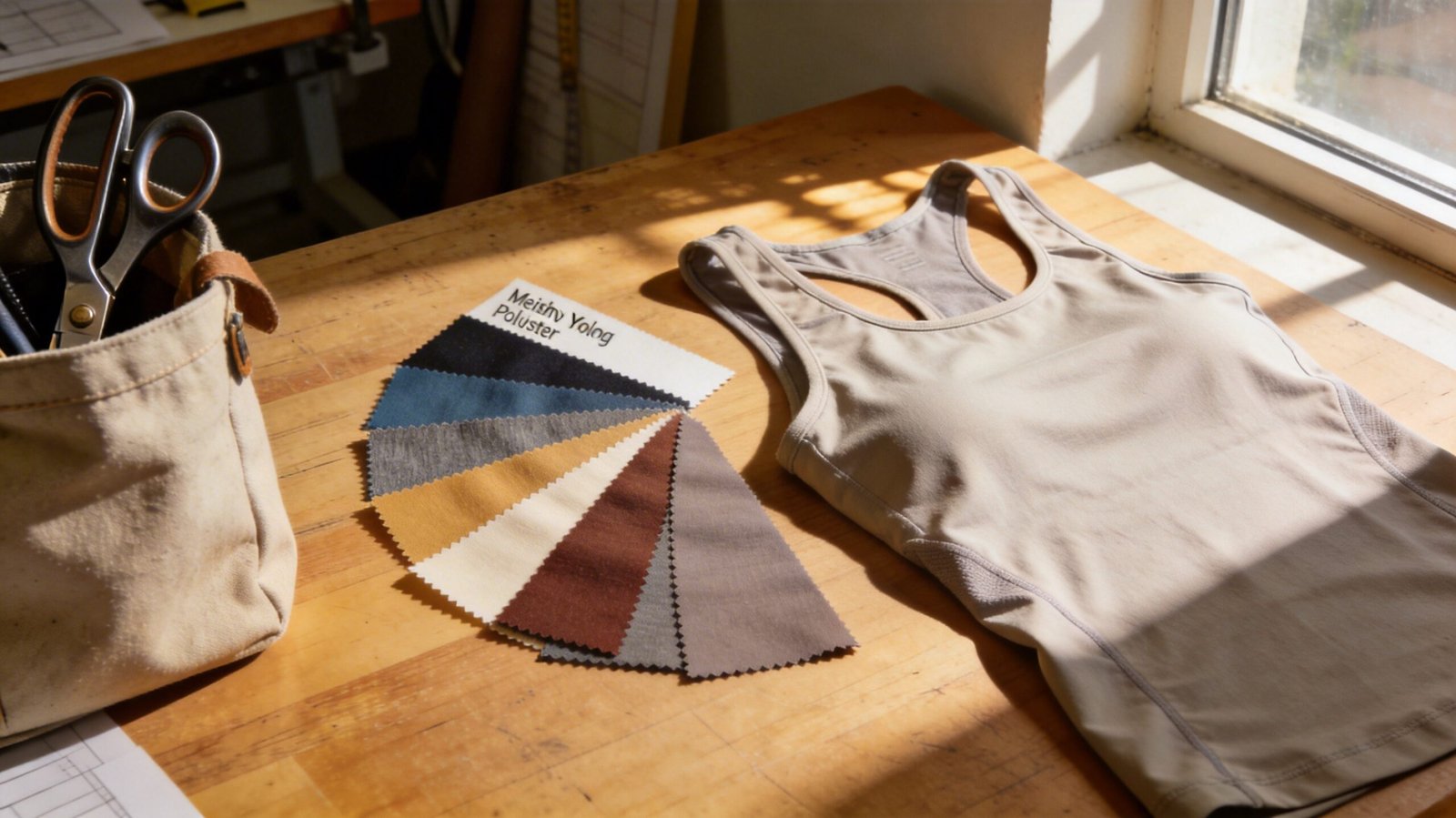
Ever laced up for a run only to be weighed down by a soggy, clingy shirt mid-workout? Or stretched into a yoga pose, distracted by scratchy fabric digging into your skin? The right activewear fabric doesn’t just affect comfort—it makes or breaks your performance, durability, and even your motivation to keep moving. If you’re wondering how to choose the right fabrics for activewear, this guide is here to demystify the process. We’ll break down moisture-wicking, quick-dry, yoga-specific, sustainable, and budget fabrics, giving you clear, actionable insights to match your needs, activities, and values.
Key Performance Properties to Prioritize in Activewear Fabrics
When evaluating activewear fabrics, performance should lead the way. Two non-negotiable properties stand out for most workouts: moisture management and drying speed.
Moisture-Wicking Activewear Fabrics: Managing Sweat During High-Intensity Workouts
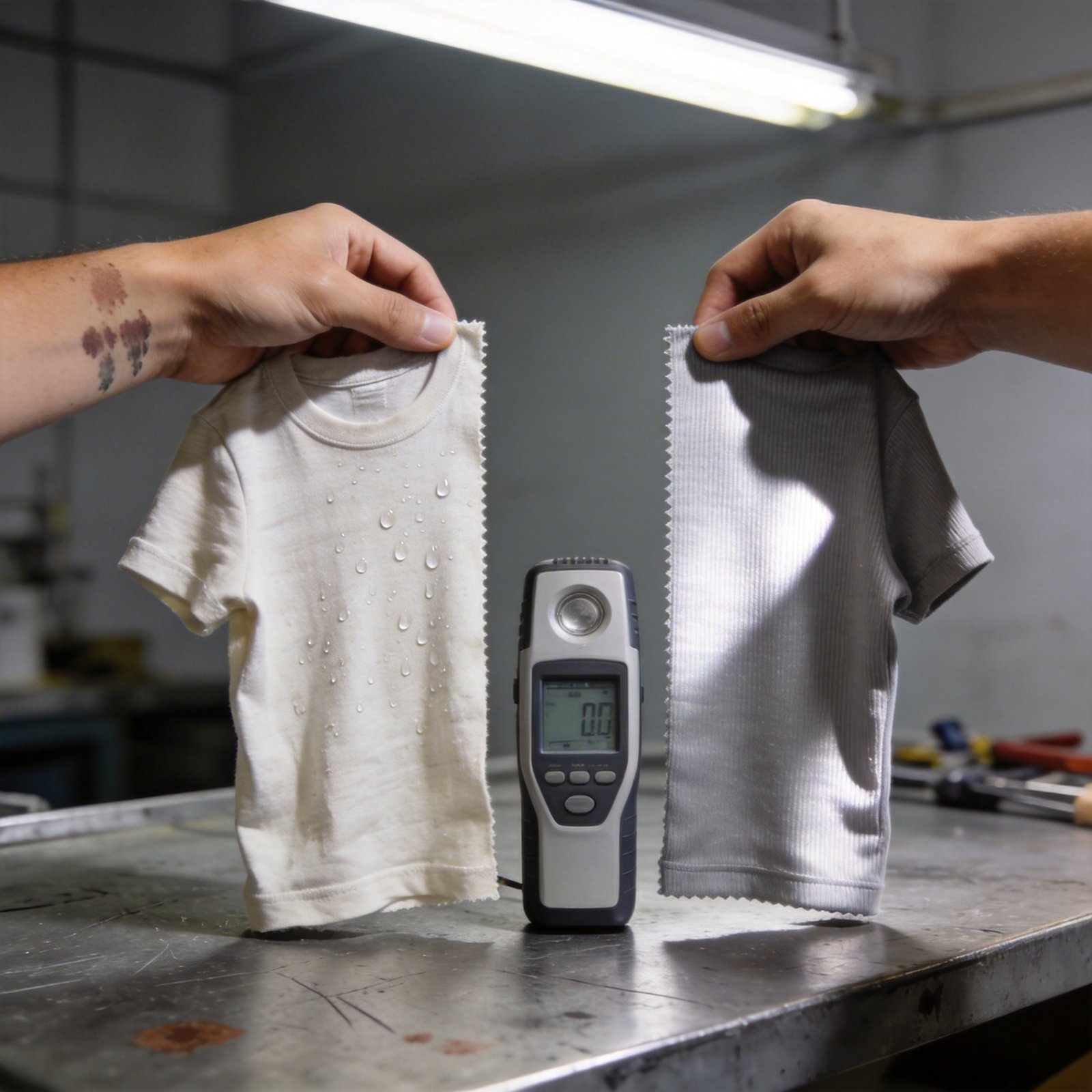
Sweat is your body’s natural cooling system, but trapped moisture turns into discomfort, chafing, and even odor. Moisture-wicking activewear fabrics solve this by using synthetic fibers (like polyester or nylon) or treated natural fibers (like bamboo) to pull sweat away from your skin to the fabric’s outer surface, where it can evaporate. Unlike cotton, which absorbs sweat and stays damp, these fabrics keep you dry during HIIT sessions, long runs, or any activity that gets your heart rate up. Look for blends with spandex added for stretch, and avoid 100% cotton for high-intensity workouts—its absorbency will leave you feeling heavy and uncomfortable.
Quick-Dry Activewear Fabrics: Accelerating Drying Time for All-Day Comfort
While moisture-wicking focuses on moving sweat, quick-dry activewear fabrics take it a step further by speeding up evaporation. These fabrics are often lightweight and feature a porous weave or chemical treatments that prevent water from clinging to fibers. They’re ideal for anyone who transitions from a morning workout to a work meeting, or for outdoor enthusiasts who might get caught in a light rain. Quick-dry fabrics are also a smart pick for travel, as they pack small and dry overnight, eliminating the need to carry multiple workout sets. Pair them with moisture-wicking properties for the ultimate sweat-management combo.
Activity-Specific Activewear Fabric Recommendations
The best activewear fabric depends entirely on what you’re doing. A fabric that works for yoga might not hold up to trail running, and vice versa.
Yoga-Specific Activewear Fabrics: Stretch, Softness, and Breathability for Low-Impact Movement
Yoga demands fabric that moves with you, not against you. Yoga-specific activewear fabrics prioritize four key traits: stretch, softness, breathability, and non-slip grip. Popular options include LYCRA® blends, which offer 4-way stretch to accommodate deep poses like downward dog or pigeon, and modal, a plant-based fiber that’s ultra-soft against the skin. For hot yoga, look for lightweight, open-weave blends that allow air flow without sacrificing coverage. Avoid fabrics with too much synthetic fiber if you prefer a more natural feel—organic cotton blends work well for gentle yoga, as long as they have a small percentage of spandex for stretch. The goal is to feel supported but unrestricted, so you can focus on your practice instead of adjusting your clothes.
High-Intensity Training (HIIT) and Running: Durable, Supportive Fabric Picks
For HIIT and running, durability and support are non-negotiable. Look for heavy-duty polyester or nylon blends that resist pilling and tearing, even with repeated movements like burpees or trail sprints. These fabrics should also have targeted compression—think tight-knit panels around the quads or core—to reduce muscle fatigue and improve blood flow. Many high-intensity fabrics combine moisture-wicking and quick-dry properties to keep you dry during sprints, and some include anti-odor treatments to fight bacteria buildup from frequent workouts. Avoid overly thin fabrics, as they can tear easily or fail to provide the support you need for high-impact movements.
Specialized Activewear Fabric Categories for Diverse Needs
Beyond performance and activity type, you might have specific values or budget constraints that shape your fabric choices. These specialized categories cater to those unique needs.
Sustainable Activewear Fabrics: Eco-Conscious Materials for Ethical Consumers
If reducing your environmental footprint is a priority, sustainable activewear fabrics are worth exploring. Options include recycled polyester (made from plastic bottles), organic cotton (grown without harmful pesticides), and Tencel™ (a plant-based fiber made from eucalyptus trees). Many sustainable fabrics also offer performance benefits: recycled polyester has the same moisture-wicking properties as virgin polyester, while Tencel™ is naturally breathable and soft. Keep in mind that sustainable fabrics can be slightly more expensive, but they’re a long-term investment in both your comfort and the planet. Look for brands that provide transparency about their supply chains and fabric sourcing.
Budget Activewear Fabric Picks: Affordable Options Without Compromising Basic Performance
You don’t need to spend a fortune on high-quality activewear. Budget activewear fabric picks focus on core performance properties without the premium price tag. Basic polyester-spandex blends are a great starting point—they offer moisture-wicking, stretch, and durability at a low cost. For casual workouts or loungewear, cotton-spandex blends work well, as long as you don’t mind that they’ll absorb sweat during high-intensity sessions. When shopping on a budget, prioritize fabric blends over 100% synthetic or natural fibers, as they balance performance and affordability. Avoid fabrics that feel thin or flimsy, as they’re likely to pill or tear after a few washes.
Final Tips for Evaluating and Testing Activewear Fabrics
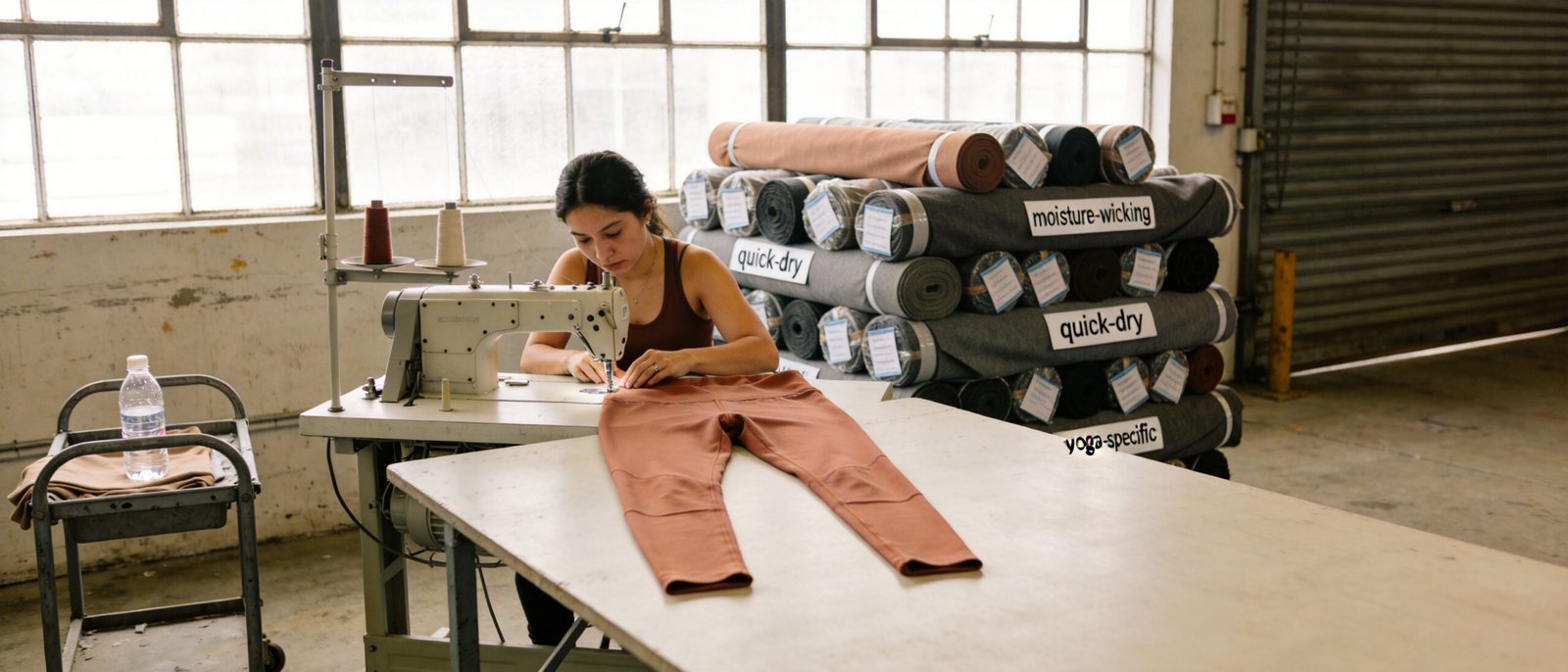
Knowing the basics is helpful, but learning to evaluate fabrics in person (or online) will ensure you make the right choice.
Reading Fabric Labels: Decoding Fiber Blends and Performance Claims
Fabric labels are your best friend when figuring out how to choose the right fabrics for activewear. Look for clear breakdowns of fiber content—for example, “80% polyester, 20% spandex” indicates a moisture-wicking, stretchy blend ideal for most workouts. Be wary of vague claims like “performance fabric” without specifics; instead, look for terms like “moisture-wicking,” “quick-dry,” or “4-way stretch” that align with your needs. For sustainable options, check for certifications like GOTS (Global Organic Textile Standard) or OEKO-TEX® to ensure the fabric meets ethical and environmental standards.
Testing Fabric Comfort and Durability Before Committing
If you’re shopping in-store, take a minute to test the fabric: stretch it to check for 4-way movement, rub it between your fingers to feel for softness, and hold it up to light to assess breathability. For online purchases, read reviews to see how the fabric holds up after washes and workouts—look for comments about pilling, shrinkage, or fading. If possible, opt for brands with a return policy, so you can test the fabric during a short workout before committing.
👉Sourcing and Choosing the Right Fabrics for Brands: A Complete Guide
Conclusion
Choosing the right activewear fabric doesn’t have to be overwhelming. By prioritizing performance properties like moisture-wicking and quick-dry, matching fabrics to your specific activity (whether it’s yoga or HIIT), and considering specialized needs like sustainability or budget, you can find activewear that supports your goals and feels great. This activewear fabric selection guide is designed to be your go-to resource, whether you’re a fitness enthusiast or a clothing industry professional. Remember: the right fabric isn’t just about looking good—it’s about feeling confident, comfortable, and ready to move, no matter what workout you tackle next.
Need a Reliable Clothing Manufacturing Partner?
👉 Contact us today to discuss your project (Click the link)