Fabric Performance vs. Wear Experience: Critical Gaps Clothing Brands Are Missing
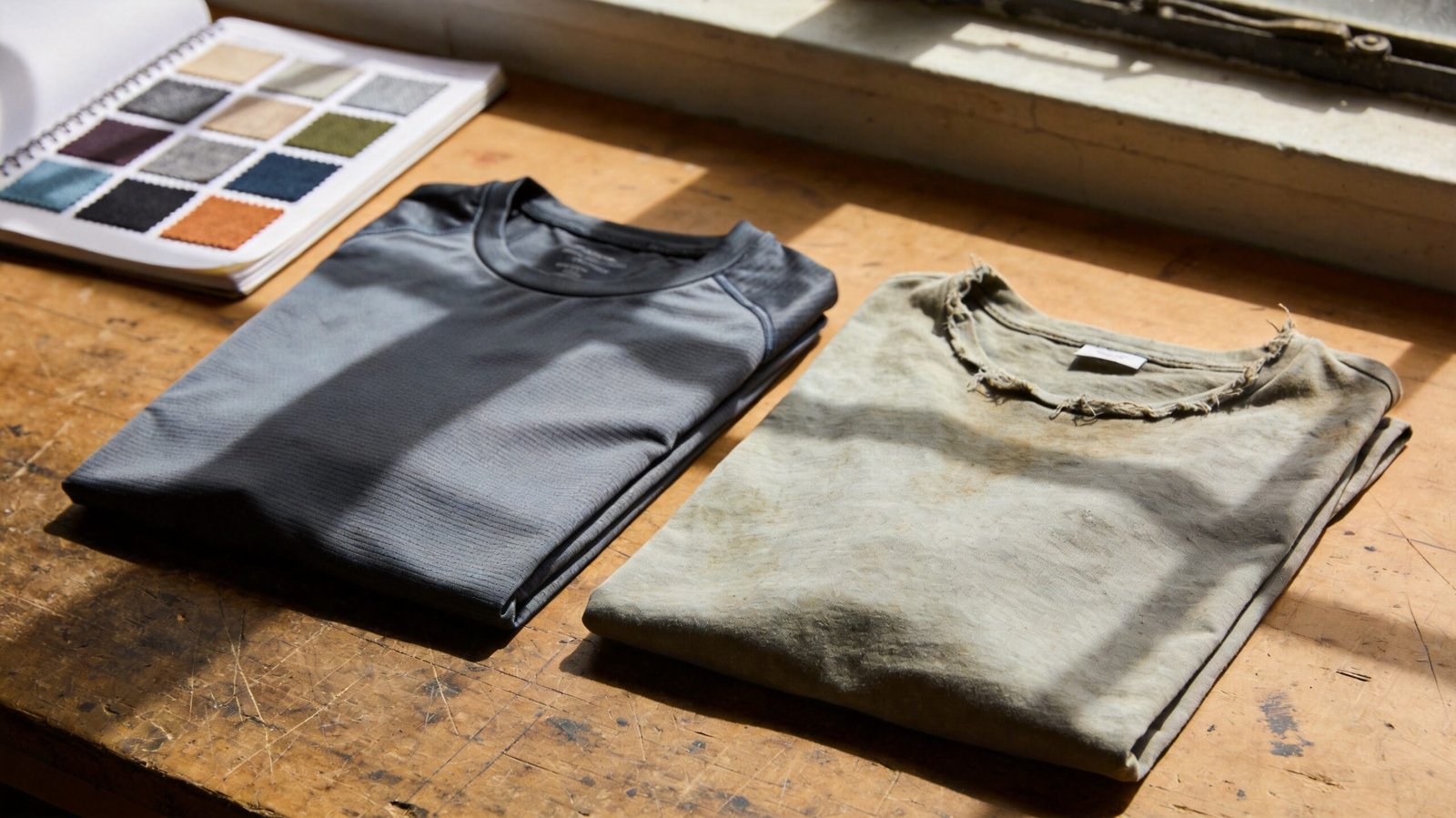
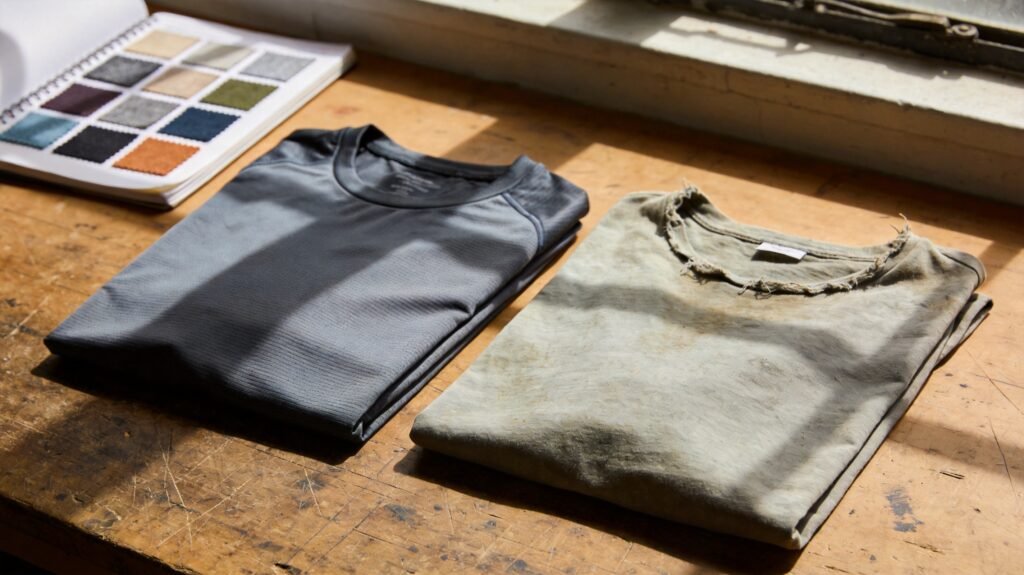
Imagine this: You invest in a high-performance athletic shirt marketed to wick sweat, resist odors, and stretch with every movement. It checks all the technical boxes, but after an hour of wearing it to run errands, the stiff, synthetic fabric irritates your skin, and the tight fit leaves you feeling constricted. You’ll likely reach for your worn-in cotton tee next time—even if it doesn’t boast half the performance features. This is the core of the fabric performance vs wear experience brands missing: the failure to balance technical functionality with the day-to-day comfort customers actually crave.
Fabric performance refers to measurable traits like durability, moisture-wicking, stretch, and stain resistance—features brands often highlight to stand out in crowded markets. Wear experience, by contrast, encompasses the subjective, feel-based elements: softness against skin, breathability, how a garment fits after multiple washes, and whether it feels effortless to wear all day. Too often, brands fall into the trap of prioritizing one over the other, creating clothing wear experience gaps that drive customers away. This tension between fabric performance vs wearability is a defining challenge for modern apparel brands.
The Divide: Fabric Performance vs. Wearability – Why Brands Choose Sides
The Performance-First Mindset: Brands Chasing Technical Credibility
Many athletic and outdoor brands lean hard into performance metrics to appeal to serious athletes and fitness enthusiasts. They invest in lab-tested fabrics that can withstand extreme conditions, repel water, or dry in minutes. The problem? These technical features often come at the cost of comfort. A waterproof jacket might keep you dry during a downpour, but its non-breathable membrane can leave you sweating profusely during a casual hike. Brands fixate on technical specs to build credibility, but they overlook that even dedicated athletes want garments that feel good to wear beyond intense workouts. This is a classic fabric performance brand blind spot: prioritizing lab results over real-world wearability.
The Comfort-First Trap: Sacrificing Durability for Immediate Wear Experience
On the flip side, fast-fashion and casual apparel brands often prioritize immediate comfort to drive impulse buys. Soft, lightweight cotton blends feel great right out of the bag, but they pill after a few washes, lose shape, or fade quickly. These brands focus on the initial wear experience vs fabric quality, assuming customers will prioritize how a garment feels in the fitting room over how it holds up long-term. While this might boost short-term sales, it erodes trust when customers realize their new favorite tee is unwearable after a month.
Identifying Wear Experience Brand Gaps and Fabric Performance Blind Spots
Overlooking Long-Term Wear Experience: From Initial Comfort to Wash-and-Wear Degradation
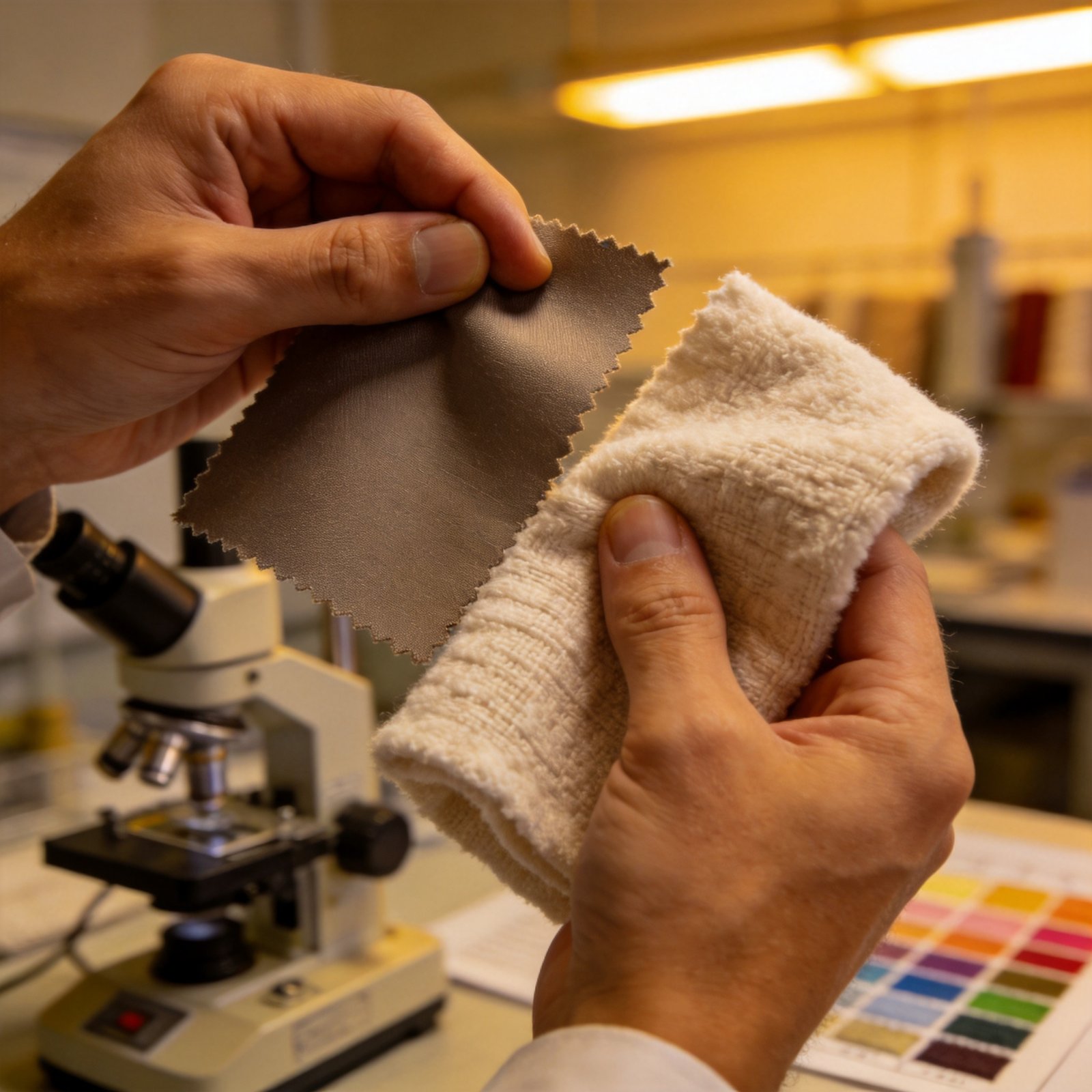
One of the most common wear experience brand gaps is ignoring how a garment evolves over time. A shirt that feels soft on day one might become scratchy after repeated washes if the fabric’s finish breaks down. Brands often test for initial comfort but skip long-term wear testing, leaving customers disappointed when their purchase doesn’t stand the test of time. This disconnect between marketing promises and real-world durability is a key reason customers abandon brands for competitors that balance comfort with longevity.
Technical Fabric Missteps: Performance Features That Compromise Daily Comfort
Many brands add technical features without considering how they impact daily wear. For example, a moisture-wicking shirt might use a tightly woven synthetic fabric that traps heat during casual wear, or a stretchy athletic pant might have a waistband with rigid elastic that digs into skin after hours of sitting. These fabric performance brand blind spots happen when brands design for idealized scenarios (like a 60-minute workout) instead of the messy, varied days customers actually live. The result is garments that excel in lab tests but fall flat in everyday use.
The Cost of Missing the Fabric-Wear Balance for Brands
Eroded Customer Loyalty and Repeat Purchases
When customers encounter the fabric performance vs wear experience brands missing, they’re unlikely to come back. A runner who buys a performance shirt that irritates their skin will switch to a brand that offers both moisture-wicking and softness. A parent who buys a kid’s tee that falls apart after two washes will seek out durable, comfortable alternatives. In an era where customers have endless options, failing to balance performance and wearability means losing repeat business—the backbone of sustainable brand growth.
Negative Word-of-Mouth and Brand Reputation Risks
In the age of social media, a single negative review about uncomfortable performance gear or a poorly made comfort garment can reach thousands of potential customers. Brands that ignore wear experience gaps risk damaging their reputation as customers share their frustrations online. Even a brand with strong technical credentials can be labeled “unwearable,” while a comfort-focused brand might be dismissed as “cheaply made.” These perceptions are hard to reverse, making the fabric-wear balance critical for long-term brand health.
How Brands Can Bridge the Fabric Performance vs. Wear Experience Gap
User-Centric Testing: Merging Lab Performance Data with Real-World Wear Feedback
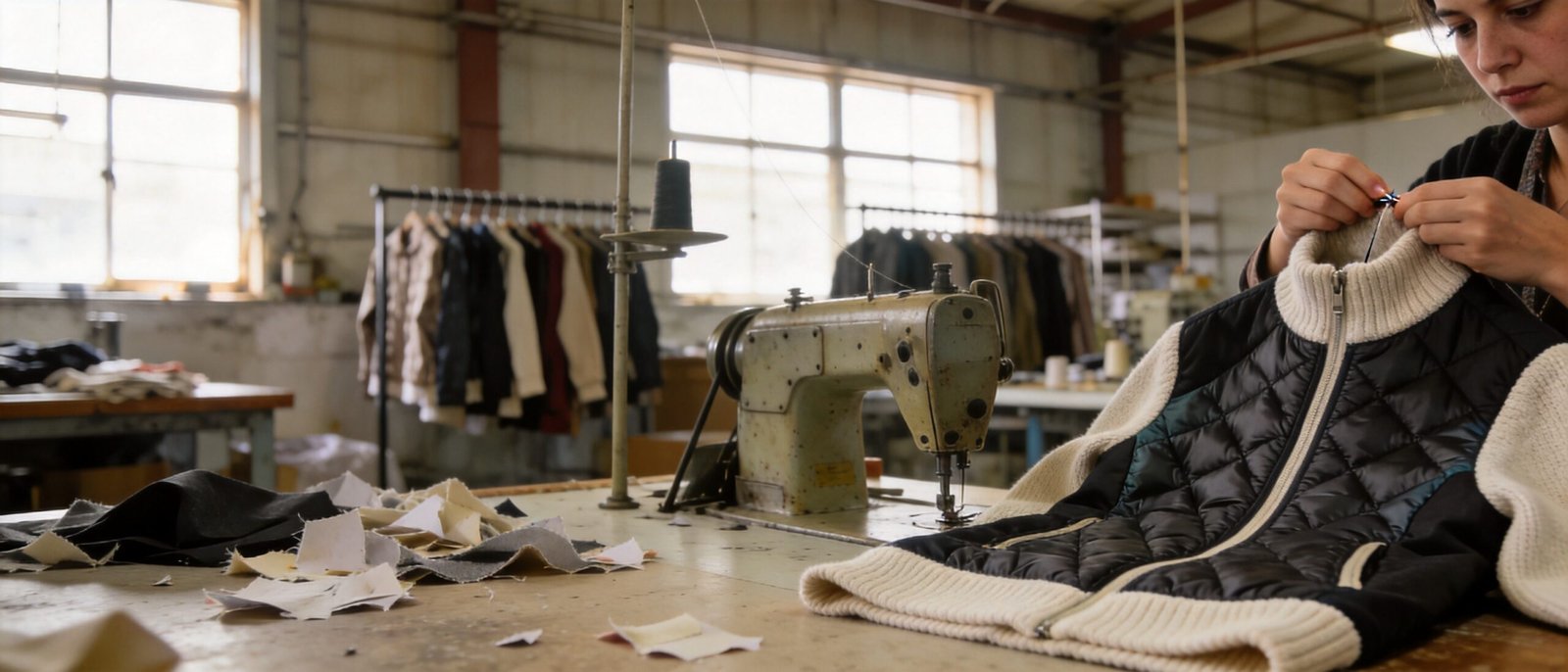
The solution starts with testing that goes beyond the lab. Instead of only measuring moisture-wicking or stretch in controlled environments, brands should recruit real customers to wear garments during their daily routines—commuting, working, running errands, and exercising. This feedback can reveal how technical features perform in real life, and where comfort is lacking. For example, a brand might discover that its moisture-wicking fabric works great during workouts but feels stiff during office hours, prompting adjustments to the weave for better breathability. This approach helps brands avoid the fabric performance vs wear experience brands missing by centering customer needs in every design decision.
Innovative Fabric Blends: Balancing Technical Functionality and Comfort
Advancements in textile technology make it easier than ever to create fabrics that offer both performance and comfort. For example, blending moisture-wicking synthetic fibers with soft, natural cotton can create a shirt that keeps you dry and feels gentle against skin. Or using stretchy, durable elastane blends that maintain shape without feeling restrictive. Brands that invest in these innovative blends can offer garments that check both boxes, eliminating the need for customers to choose between performance and wearability.
Conclusion
How to choose a full service factory to avoid above issues for you ?(click the link)
The fabric performance vs wear experience brands missing is a costly oversight that alienates customers and harms brand reputation. Too many brands fall into the trap of prioritizing technical specs or immediate comfort, ignoring the fact that customers want garments that perform well and feel good to wear, day in and day out. The gaps between fabric performance and wearability—from wash-and-wear degradation to misaligned technical features—are avoidable with user-centric testing and innovative fabric design.
For brands looking to thrive in a competitive market, the missing fabric-wear balance brands often overlook is the key to building loyalty and trust. By prioritizing both measurable performance and subjective wear experience, brands can create garments that meet customers’ real needs, driving repeat purchases and positive word-of-mouth. The future of clothing design isn’t about choosing sides—it’s about bridging the gap to create apparel that works as hard as the people who wear it.
Need a Reliable Clothing Manufacturing Partner?
Whether you’re developing activewear, casual wear, or launching a new clothing collection, our team is here to help.
From fabric sourcing and sampling to bulk production, we provide flexible manufacturing solutions tailored to your brand.