Why Most Activewear Samples Fail in Development: Key Causes & Fixes
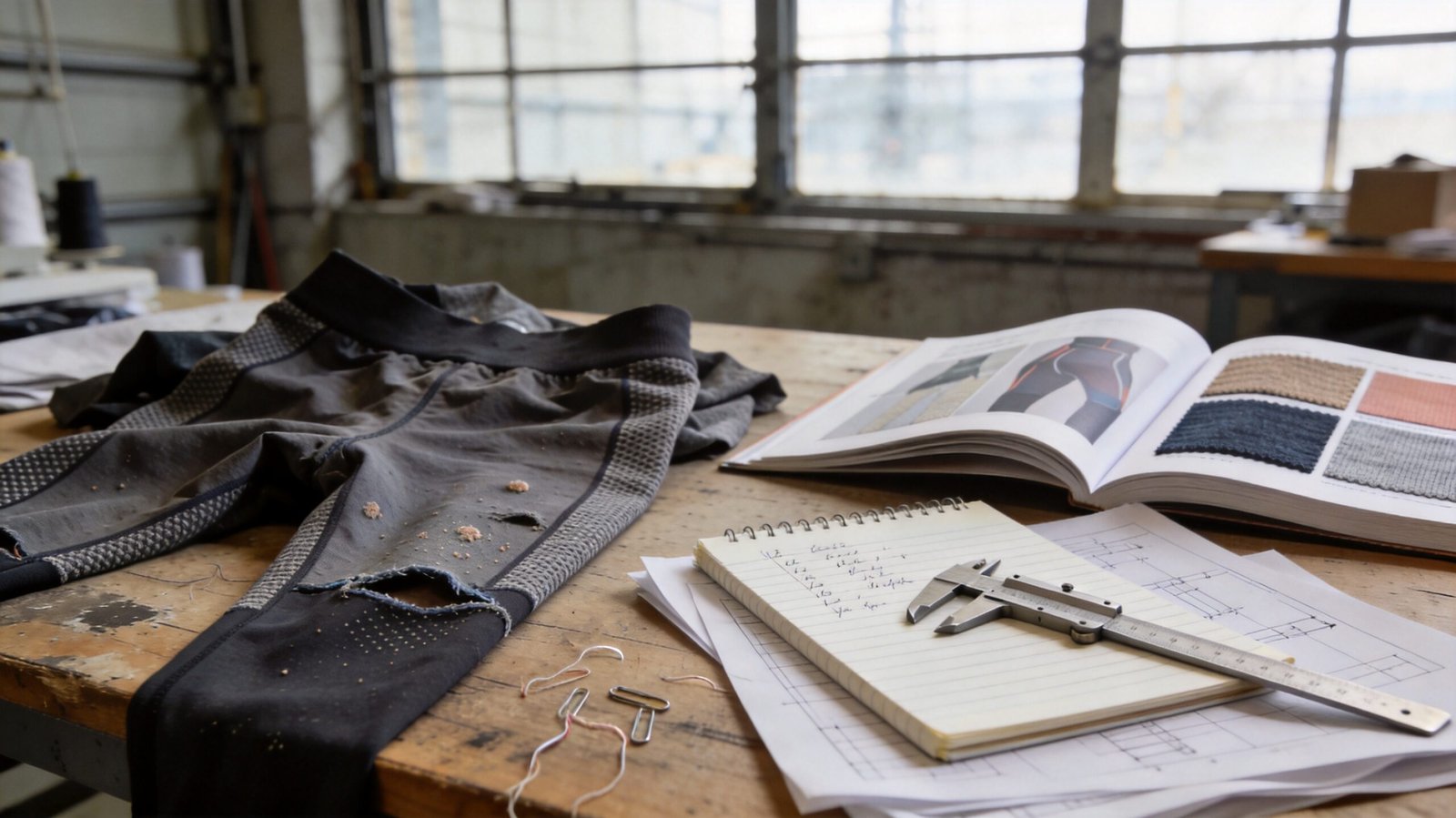
For activewear brands, sample development is make-or-break. A failed sample doesn’t just mean a wasted week or a lost production slot—it can derail launch timelines, burn through budget, and even cost you a competitive edge in a fast-moving market. If you’ve ever stared at a sample that’s too baggy during squats, fades after one wash, or doesn’t match your design vision, you’re not alone. Understanding why most activewear samples fail in development is the first step to avoiding costly missteps, addressing activewear sample quality issues, and fixing the activewear development mistakes that hold brands back. In this post, we’ll break down the root causes of sample failures and share actionable strategies to prevent them.
Activewear Development Mistakes in Material Selection & Testing
Choosing the right fabric is the foundation of high-performing activewear, but it’s also one of the most common places brands stumble. Even small missteps here can lead to activewear sample quality issues that derail your entire project.
Choosing the Wrong Performance Fabrics for Activewear Use Cases
Not all stretch fabrics are created equal. A buttery-soft knit that works for loungewear will likely pill or lose shape during high-intensity workouts like CrossFit or running. Similarly, a moisture-wicking fabric designed for hot climates may not provide enough warmth for winter outdoor gear. Many brands fall into the trap of picking fabrics based on aesthetics alone, ignoring core performance needs like breathability, moisture management, or abrasion resistance. This is a top reason why activewear samples fail: the fabric simply can’t stand up to its intended use.
Skipping Pre-Production Material Testing for Durability & Stretch
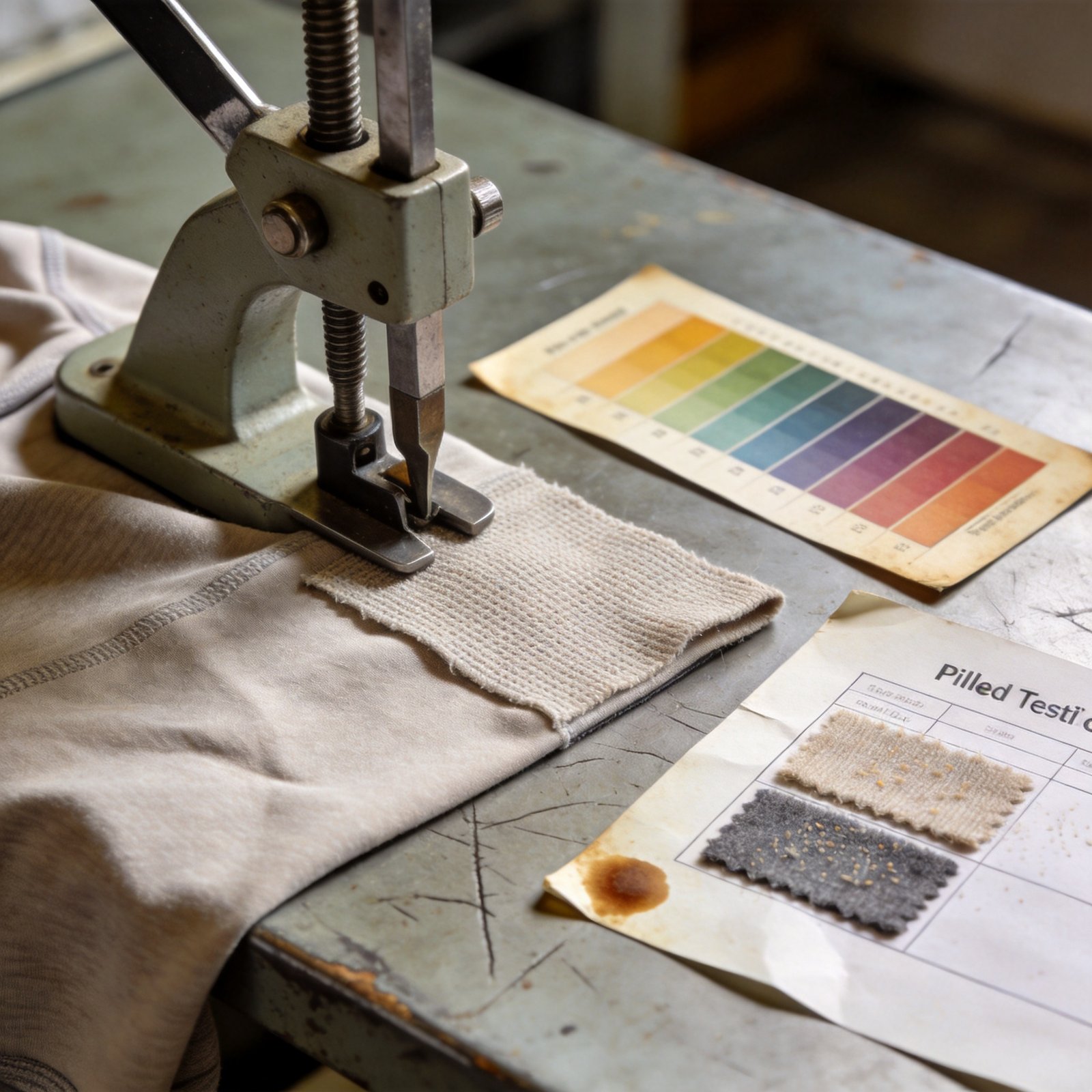
Even if you’ve selected a fabric marketed as “performance-grade,” skipping pre-production testing is a risky activewear development mistake. Fabrics can vary between dye lots, and what works on a swatch may not hold up when cut and sewn into a full garment. Testing for stretch recovery (will the waistband stay tight after 100 squats?), colorfastness (will the neon pink fade after washing?), and seam strength (will the inner thigh seam split during lunges?) is non-negotiable. Skipping these tests often leads to activewear sample failure causes like premature wear or unexpected fit changes.
Overlooking Fabric Compatibility with Printing or Embellishments
A fabric that performs perfectly on its own can fall apart when paired with screen printing, heat transfers, or embroidery. For example, a highly stretchy spandex blend may cause printed logos to crack or peel when stretched, while a thick moisture-wicking fabric may not absorb embroidery thread properly. Brands often fail to test these combinations early on, resulting in samples that look great on a hanger but fail under real-world use.
Common Activewear Sample Flaws from Poor Pattern & Fit Design
Activewear fit is about more than looking good—it’s about supporting movement, reducing chafing, and keeping the wearer comfortable during activity. Poor pattern design is one of the most prevalent common activewear sample flaws, and it’s a major contributor to why most activewear samples fail in development.
Inaccurate Body Measurements and Size Scaling Errors
Many brands rely on generic size charts instead of data from their target audience. A size medium designed for a average body type may fit poorly on a curvy customer or a tall, lean athlete. Even small errors in size scaling—like widening the hip by half an inch across all sizes—can create inconsistent fits that lead to sample rejection. This is a key activewear sample failure cause that’s easy to overlook but costly to fix later.
Ignoring Movement-Specific Fit Requirements for Active Activities
A yoga leggings fit is very different from a running leggings fit. Yoga gear needs to stay in place during deep stretches without restricting movement, while running leggings require compression to reduce muscle fatigue and prevent chafing at the thighs. Brands that use a one-size-fits-all pattern approach often end up with samples that ride down during runs or gap at the waist during downward dog. This is a common reason why activewear samples fail: the fit doesn’t match the activity.
Failing to Account for Fabric Stretch in Pattern Drafting
Stretch fabrics can vary widely in their recovery and elasticity—some may stretch 20% while others stretch 50%. Patterns drafted for a low-stretch fabric will be too loose when made with a high-stretch blend, and vice versa. Many brands forget to adjust their patterns based on the specific stretch percentage of their chosen fabric, resulting in samples that are either baggy or uncomfortably tight.
Activewear Sample Failure Causes Linked to Communication & Process Gaps
Even the best materials and patterns can fail if there’s a breakdown in communication or process between brands and manufacturers. These gaps are often hidden but are major contributors to why most activewear samples fail in development.
Misaligned Expectations Between Brands and Manufacturers
A brand may describe a “matte finish” fabric, but the manufacturer may interpret that as a slightly textured knit instead of a flat, non-shiny material. Or a brand may assume samples will include custom hardware, while the manufacturer defaults to standard buttons. These small misalignments lead to samples that don’t match the brand’s vision, wasting time and resources. Clear, documented specifications—including photos, fabric swatches, and exact measurements—are critical to avoiding this activewear development mistake.
Skipping Prototyping Milestones to Rush Development
In a hurry to get to production, some brands skip key prototyping steps, like a first sample (to test fit and fabric) or a pre-production sample (to test final details). Rushing past these milestones means you’re more likely to catch issues late in the process, when fixes are more expensive and time-consuming. This is a common reason why activewear samples fail: brands prioritize speed over thoroughness, leading to avoidable errors.
Lack of Clear Quality Standards for Sample Approval
Without clear quality standards, both brands and manufacturers are left guessing what “good” looks like. Is a slight misalignment of a logo acceptable? How much pilling is too much? When brands don’t provide detailed approval criteria—like seam allowances, stitch counts, or fabric defect limits—manufacturers may produce samples that meet their own standards but not the brand’s. This leads to repeated rejections and delays, a key activewear sample failure cause.
How to Avoid Activewear Sample Fails: Actionable Prevention Strategies
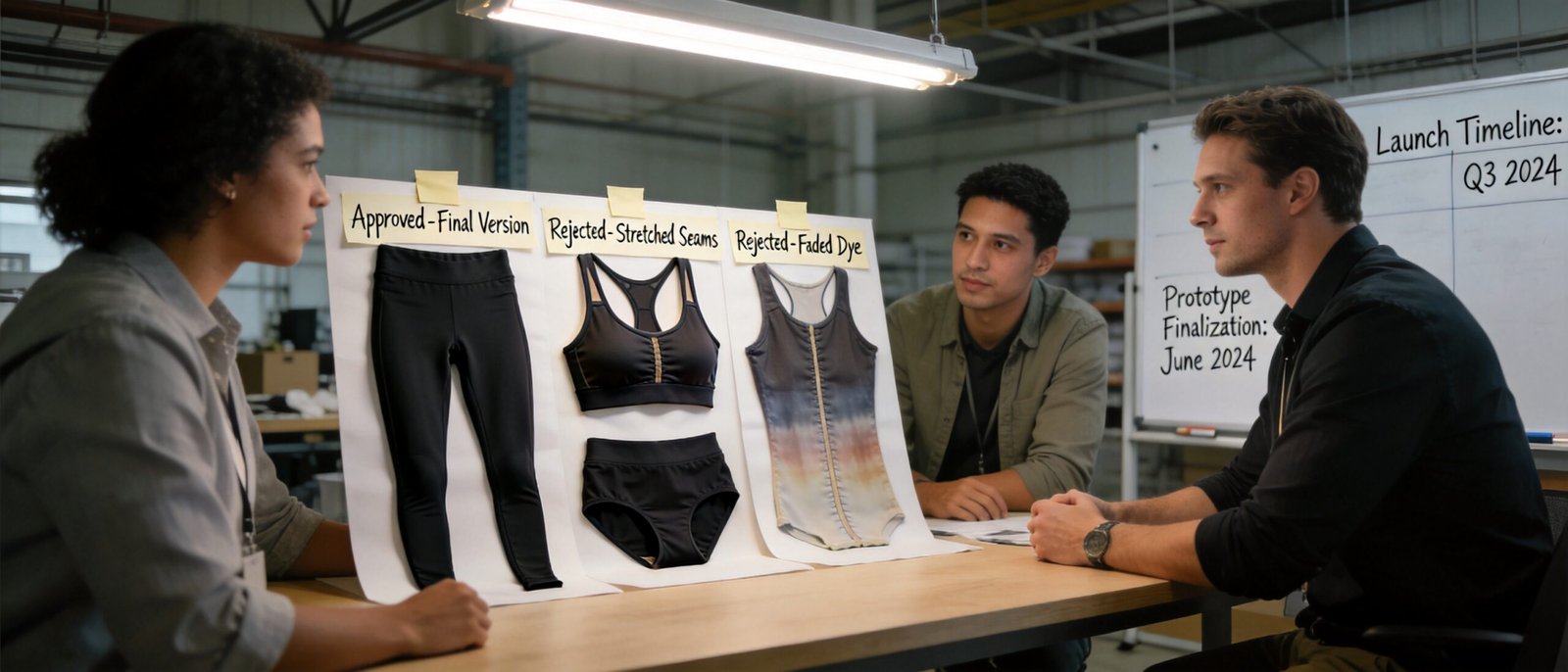
Now that we’ve covered the root causes, let’s dive into how to avoid activewear sample fails and keep your development process on track.
Implement a Structured Pre-Production Testing Workflow
Create a checklist of pre-production tests tailored to your product: stretch recovery, colorfastness, seam strength, and embellishment compatibility. Test fabric swatches and small prototypes before moving to full samples. This proactive approach helps catch issues early, reducing the risk of activewear sample quality issues later on.
Invest in Collaborative Pattern and Fit Iteration
Work closely with your manufacturer’s pattern team to adjust designs based on fabric stretch and target audience measurements. Schedule fit sessions with models who match your customer profile—for example, if you’re making plus-size activewear, use plus-size models to test fit. Iterate on samples 2-3 times before finalizing the pattern to ensure it meets movement-specific needs. This is key to preventing activewear sample fails related to fit.
Establish Clear, Documented Quality Criteria for Samples
Create a detailed sample approval sheet that includes every specification: fabric type, color, stitch count, logo placement, and defect limits. Include photos or sketches to illustrate your expectations. Share this document with your manufacturer upfront, and review it together to ensure alignment. This eliminates guesswork and reduces the chance of misaligned samples.
Conclusion
Understanding why most activewear samples fail in development starts with addressing three core areas: material selection, pattern design, and communication gaps. From activewear development mistakes like skipping fabric testing to common activewear sample flaws like poor movement-specific fit, these issues can be avoided with proactive planning and clear processes.
By addressing activewear sample failure causes early, you’ll save time, reduce budget waste, and ensure your final product meets the high standards your customers expect. The key takeaways are simple: test materials thoroughly, prioritize fit for your target activity, and communicate clearly with your manufacturing partner.
If you’re ready to prevent activewear sample fails and streamline your development process, start by auditing your current workflow for the gaps we’ve outlined. Partnering with a manufacturer experienced in activewear development can also help you navigate these challenges and bring your vision to life without the costly setbacks of failed samples.
👉 Contact us today to discuss your project