Sourcing and Choosing the Right Fabrics for Brands: A Complete Guide
For clothing brands, fabric isn’t just a material—it’s the foundation of your identity, the backbone of product quality, and a key driver of customer loyalty. A luxury brand’s buttery organic cotton tee communicates craftsmanship, while a fast-fashion brand’s durable, affordable knit signals accessibility. Yet many brands face familiar pain points: balancing tight budgets with rising ethical demands, aligning sustainability goals with practical production needs, and navigating a crowded market of fabric options. That’s why mastering sourcing and choosing the right fabrics for brands is non-negotiable. Whether you’re prioritizing ethical fabric sourcing for brands, seeking sustainable fabric sourcing tips, or hunting for budget brand fabric choices, this guide will help you navigate the process with confidence.
Foundational Factors to Define Before Sourcing Fabrics
Before you start browsing fabric swatches, laying clear groundwork will save you time, money, and missteps down the line. These foundational factors ensure every fabric choice aligns with your brand’s long-term goals.
Align Fabric Choices with Your Brand’s Core Values
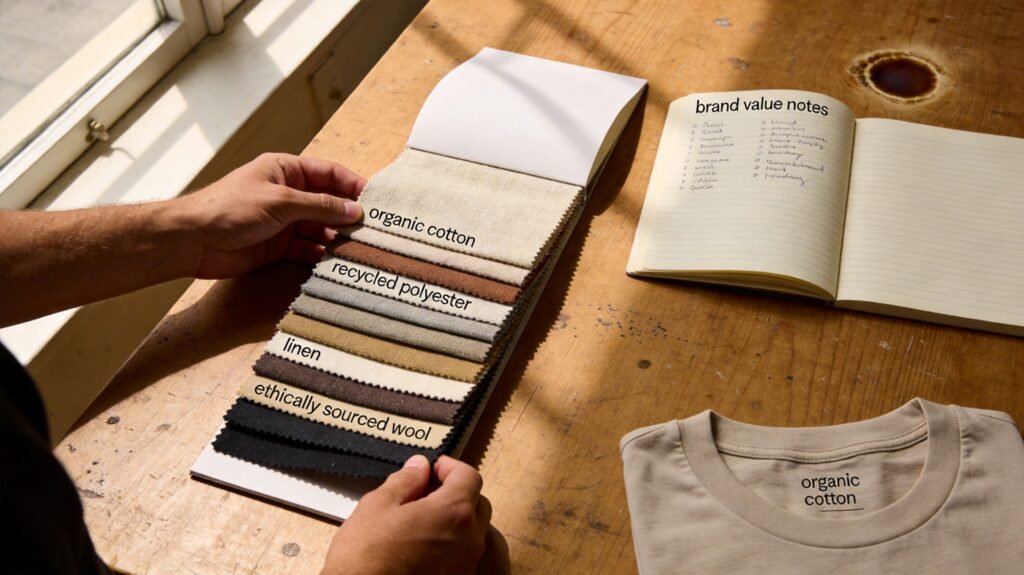
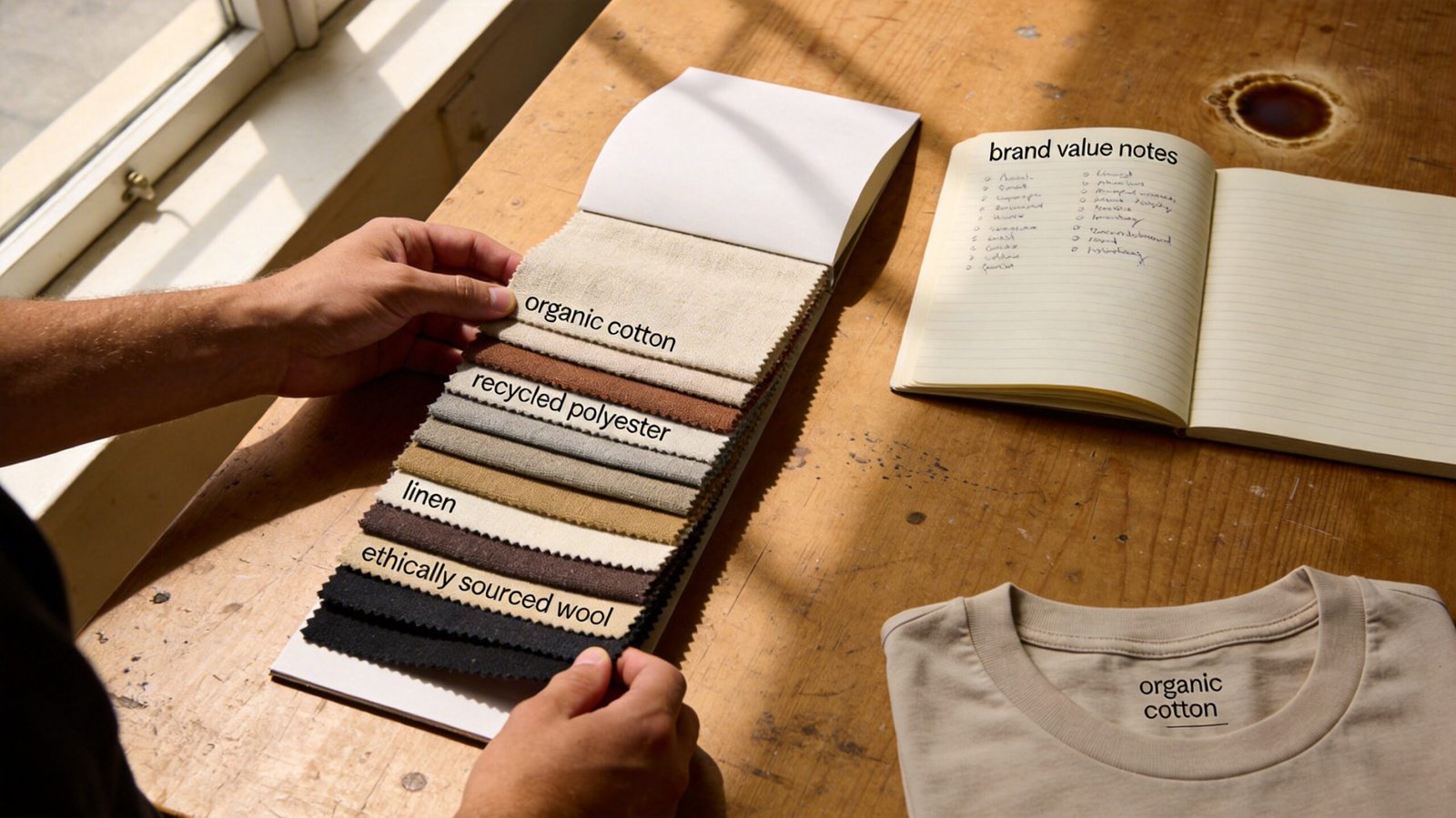
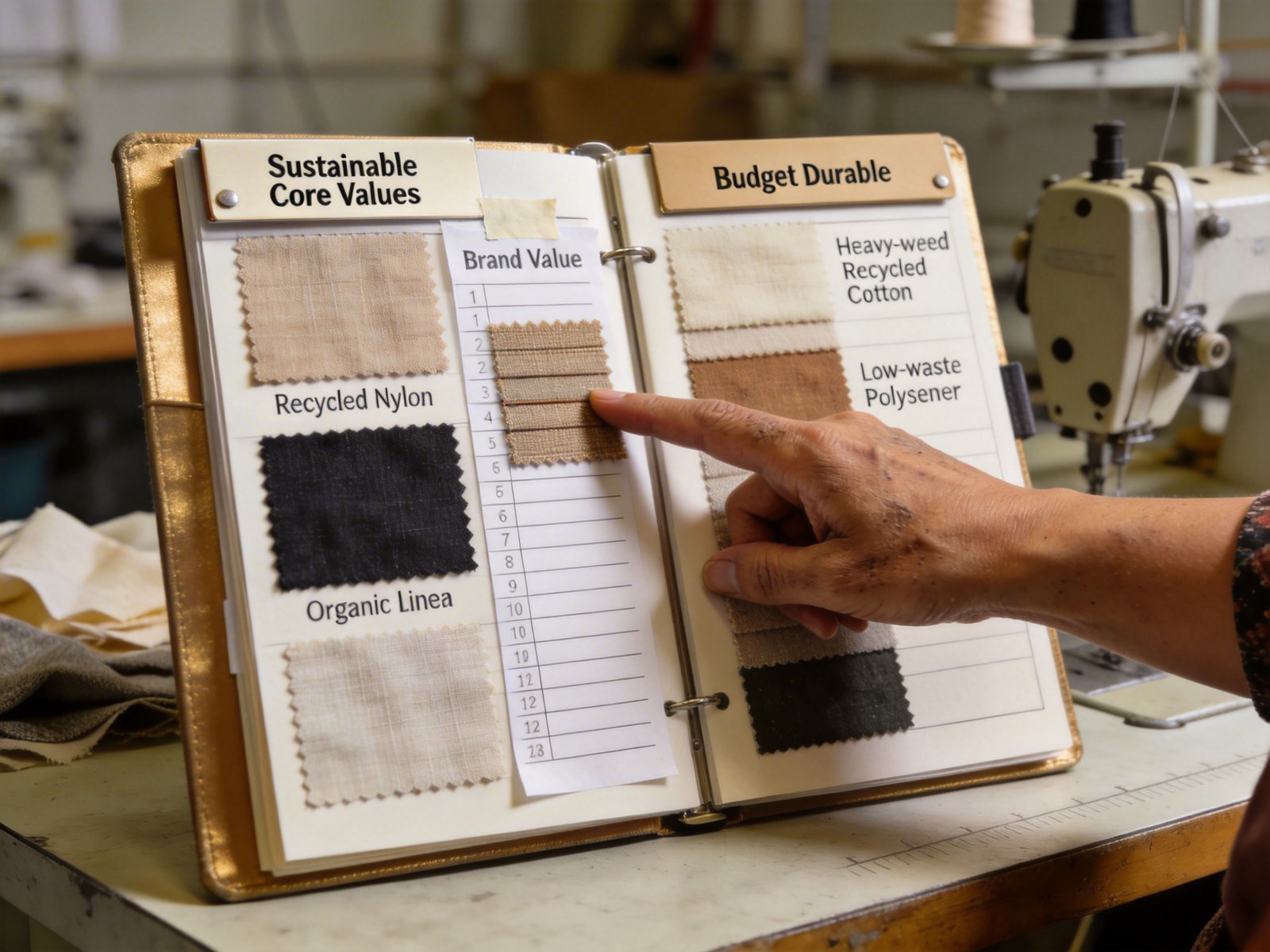
Your fabric selection should be a tangible extension of what your brand stands for. If sustainability is central to your mission, a cheap, non-recyclable synthetic fabric will feel inauthentic to your customers. For a luxury brand, investing in high-thread-count organic linen or ethically sourced cashmere reinforces your premium positioning. Even budget-focused brands can stay true to values by prioritizing durable, low-waste materials instead of disposable options. This alignment isn’t just good for your reputation—it builds trust with customers who vote with their wallets for brands that walk their talk.
Map Fabrics to Your Target Product and Customer Demographics
A fabric that works perfectly for a workout legging won’t suit a formal dress, and a material loved by eco-conscious millennials may not resonate with price-sensitive teen shoppers. For example, activewear brands need moisture-wicking, stretchable fabrics that hold up to repeated washes, while loungewear brands might prioritize soft, breathable bamboo blends. If your target customer is a busy parent, durability and easy care should be top priorities; if you’re catering to luxury buyers, you can lean into delicate, hand-finished fabrics that feel indulgent. Taking the time to match fabric performance to product function and customer needs ensures your products meet real-world expectations.
Set Clear Budget Parameters for Budget Brand Fabric Choices
Budget constraints are a universal challenge, but they don’t have to mean sacrificing quality or values. For budget brand fabric choices, start by defining a per-yard budget that accounts for not just the material itself, but also shipping, testing, and potential waste. Consider bulk purchasing discounts, or opt for blended fabrics (like recycled polyester-cotton mixes) that offer the performance of pricier materials at a lower cost. It’s also wise to allocate a small portion of your budget for testing sample fabrics—cutting corners here can lead to costly returns or negative reviews down the line.
Ethical and Sustainable Fabric Sourcing for Brands
Today’s consumers don’t just want great products—they want to feel good about how those products are made. Ethical and sustainable fabric sourcing for brands is no longer a niche trend; it’s a business imperative.
Sustainable Fabric Sourcing Tips for Reducing Environmental Impact
Reducing your brand’s environmental footprint starts with intentional fabric choices. First, prioritize natural, renewable materials like organic cotton, hemp, or Tencel, which require less water and pesticides than conventional alternatives. Look for suppliers that use water-saving dyeing techniques or zero-waste production processes to minimize waste. Another key sustainable fabric sourcing tip is to source locally when possible: shorter supply chains reduce transportation emissions and make it easier to verify production practices. Finally, avoid over-ordering fabrics to cut down on textile waste, which is a major contributor to landfills globally.
Ethical Sourcing Practices: Ensuring Fair Labor and Supply Chain Transparency
Ethical fabric sourcing goes beyond the environment—it’s about ensuring every person in your supply chain is treated fairly and paid a living wage. Start by working with suppliers who are transparent about their labor practices, and don’t be afraid to ask for factory audits or worker welfare certifications. Look for third-party labels like Fair Trade, which guarantee fair compensation and safe working conditions. Building long-term relationships with suppliers also encourages accountability; when you’re a reliable partner, suppliers are more likely to prioritize your ethical standards.
Recycled Fabric Sourcing Strategies for Circular Brand Models
For brands looking to embrace circularity, recycled fabrics are a game-changer. Recycled fabric sourcing strategies start with identifying high-quality recycled materials that meet your product’s performance needs—think recycled polyester made from plastic bottles, or recycled cotton from post-consumer garment waste. Look for suppliers that specialize in recycled materials and have processes to ensure consistency in color, texture, and durability. You can also explore take-back programs with your customers to collect old garments, which can be broken down and repurposed into new fabrics, closing the loop on your product lifecycle.
Eco-Friendly Fabric Selection: Evaluating Options for Your Brand
Once you’ve committed to sustainable sourcing, the next step is evaluating specific eco-friendly fabrics to find the best fit for your products.
Comparing Popular Eco-Friendly Fabric Types
Not all eco-friendly fabrics are created equal, so it’s important to understand their unique benefits and tradeoffs. Organic cotton is a fan favorite for its softness and breathability, and it’s grown without harmful pesticides, making it better for farmers and the planet. Recycled polyester is durable, moisture-wicking, and diverts plastic from landfills, though it’s still a synthetic fabric that can release microplastics in the wash. Hemp is a highly sustainable option—it grows quickly without water or pesticides, and produces a strong, versatile fabric perfect for outerwear or accessories. For loungewear or intimate apparel, bamboo viscose offers unmatched softness and temperature regulation, though it’s important to choose suppliers that use closed-loop processing to avoid chemical waste.
How to Verify Third-Party Certifications for Sustainable Fabrics
With greenwashing on the rise, third-party certifications are your best defense against misleading claims. Certifications like GOTS (Global Organic Textile Standard) ensure fabrics are made with organic materials and meet strict ethical and environmental standards. OEKO-TEX Standard 100 guarantees fabrics are free from harmful chemicals, while the Bluesign system focuses on reducing environmental impact throughout the production process. When evaluating a supplier, ask to see physical copies of certifications, and verify them through the issuing organization’s website to ensure they’re up to date.
Practical Tips for Streamlining Fabric Sourcing and Selection
Sourcing fabrics can feel overwhelming, but these practical tips will help you streamline the process and make confident choices.

First, build a shortlist of reliable suppliers by attending trade shows, joining industry networks, or asking for referrals from other brands. Request swatches of multiple fabrics to test for feel, durability, and wash performance—never commit to a large order without testing a sample. It’s also wise to order a small production run first to work out any kinks before scaling up. Finally, stay organized: keep track of supplier contacts, fabric specifications, and budget notes in a centralized system, so you can quickly reference past choices and make informed decisions for future products. Mastering how to pick brand fabrics doesn’t happen overnight, but these small, consistent steps will make the process far more manageable.
Conclusion
Sourcing and choosing the right fabrics for brands is a multifaceted process that balances brand values, customer needs, budget constraints, and ethical responsibilities. By starting with foundational factors like aligning with your brand’s core values, mapping fabrics to your target audience, and setting clear budgets, you lay the groundwork for successful choices. Prioritizing ethical and sustainable fabric sourcing for brands—whether through sustainable fabric sourcing tips, recycled fabric sourcing strategies, or eco-friendly fabric selection—helps you meet consumer demands while reducing your environmental impact.
Remember, every fabric choice sends a message to your customers. Intentional, informed choices don’t just improve product quality—they build trust, strengthen brand identity, and drive long-term loyalty. Now is the time to take a critical look at your current fabric sourcing strategies: are they aligning with your brand’s values? Are they meeting your customers’ expectations? Use the insights from this guide to refine your process and make fabric choices that work for your brand, your customers, and the planet.