Lyocell Fabrics: Benefits, Sustainability, Uses, and Care Guide
As consumers and brands alike prioritize planet-friendly choices, eco-friendly textiles have moved from niche trend to mainstream staple. At the forefront of this shift is lyocell fabrics, a versatile cellulosic fiber that’s quickly become a go-to for everything from casual tees to luxury bedding. Derived from renewable plant sources, lyocell balances the softness of natural fibers with the performance of synthetics, making it a favorite for both fashion designers and home goods manufacturers. In this guide, we’ll break down lyocell fabrics sustainability credentials, core benefits, how it stacks up against cotton and modal, practical uses, and essential care tips to help you make the most of this innovative textile.
Lyocell Fabrics: Core Benefits and Key Pros & Cons
Primary Performance and Comfort Benefits of Lyocell
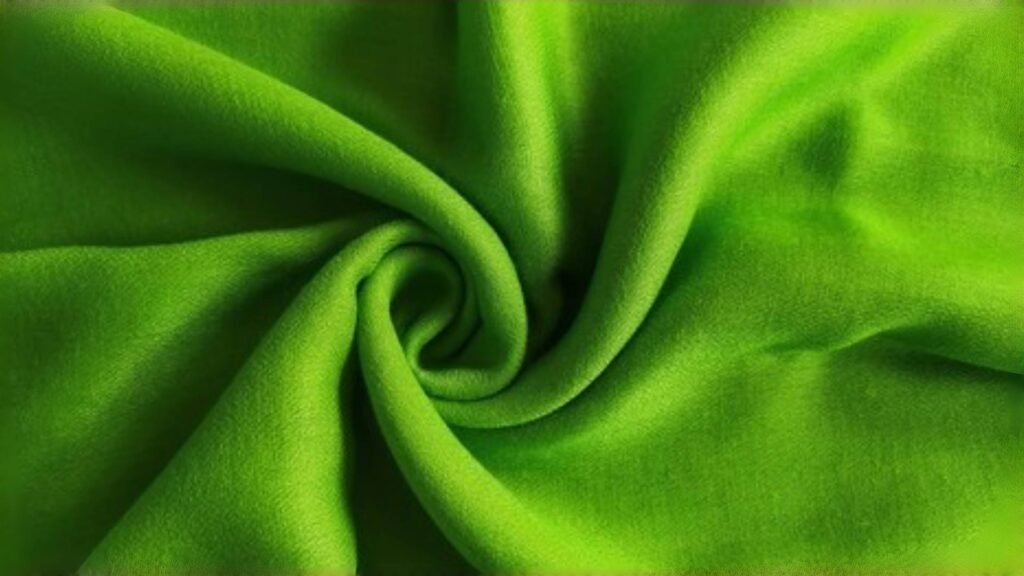
When it comes to lyocell fabrics benefits, comfort and performance top the list. First and foremost, lyocell is incredibly soft—often compared to silk or premium cotton—with a smooth, drapey feel that makes it ideal for flowing dresses, loungewear, and bed linens. It’s also highly breathable and moisture-wicking: the fiber’s unique structure pulls sweat away from the skin and dries quickly, keeping you cool in warm weather and preventing that sticky, clammy feeling common with synthetic fabrics.
Lyocell is also naturally hypoallergenic, making it a great choice for sensitive skin, and it resists pilling better than many natural fibers, so garments stay looking newer longer. Unlike some eco-friendly fabrics, it’s easy to dye, resulting in vibrant, long-lasting colors that don’t fade quickly with washing. For brands, it’s a versatile option that works for both casual, everyday pieces and high-end, tailored designs.
Notable Drawbacks and Limitations of Lyocell Fabrics
While lyocell has plenty of perks, it’s not without its downsides—important to consider when evaluating lyocell fabrics pros cons. One key limitation is its tendency to shrink if not cared for properly, especially when exposed to high heat. It can also wrinkle easily, which means it may require ironing or steaming to maintain a crisp look, a downside for those who prefer low-maintenance clothing.
Another consideration is cost: because lyocell production requires specialized equipment and closed-loop systems (more on that later), it’s often more expensive than conventional cotton or synthetic fabrics. Finally, while it’s durable with proper care, lyocell can tear or stretch if pulled roughly, so it’s not the best choice for heavy-duty items like workwear or outdoor gear that need to withstand extreme wear and tear.
Lyocell Fabrics Sustainability: Eco-Friendly Credentials Explained
Lyocell fabrics sustainability is one of its biggest selling points, and for good reason. Unlike many synthetic fabrics made from petroleum, lyocell is derived from sustainably harvested hardwood trees—typically eucalyptus, beech, or oak—grown in managed forests that are replanted to maintain ecosystem health.
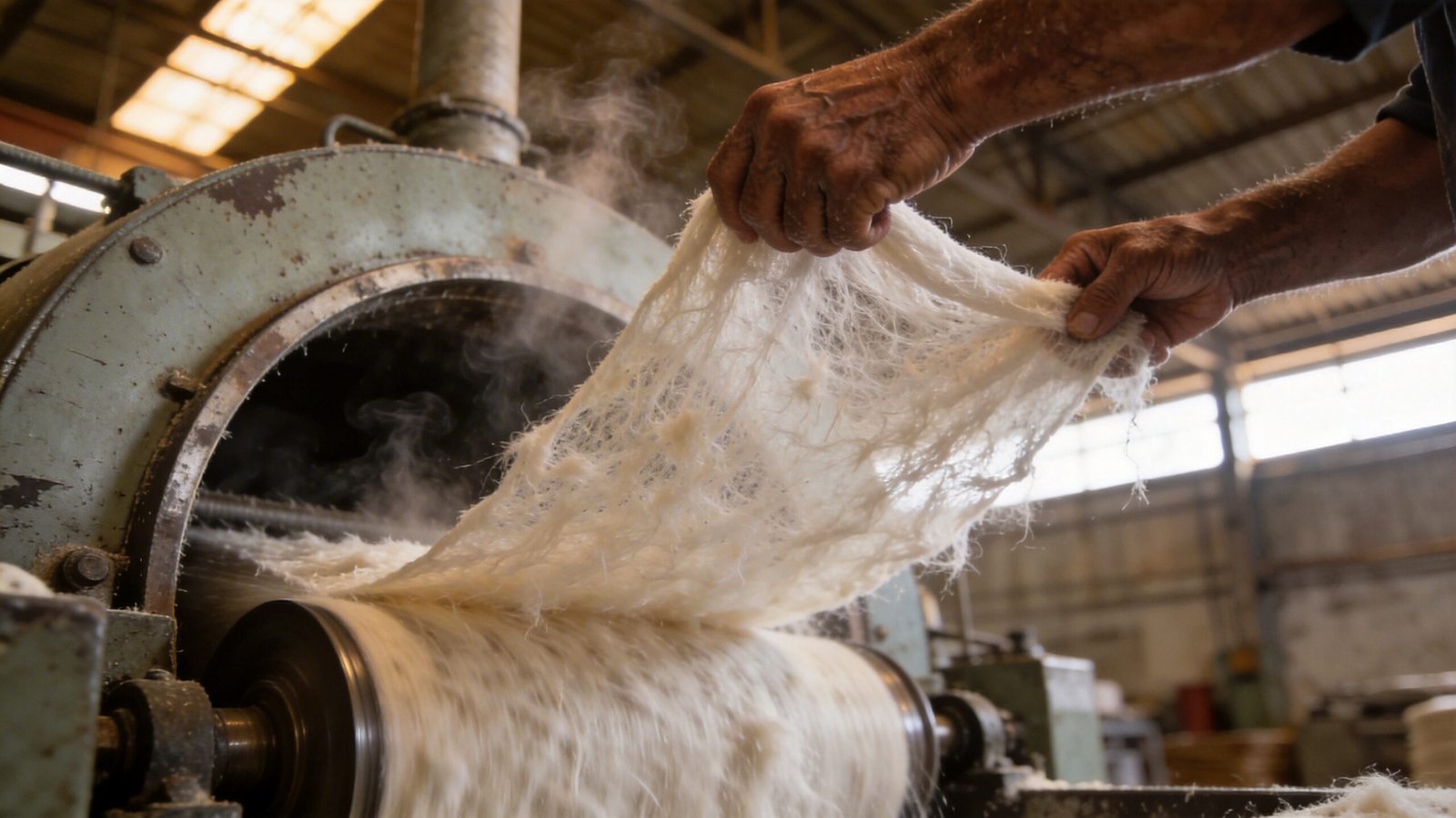
What sets lyocell apart from other cellulosic fibers is its closed-loop production process. The solvent used to break down the wood pulp into fiber is recycled and reused (up to 99% of it, in fact), minimizing waste and reducing the release of harmful chemicals into the environment. This is a stark contrast to conventional cellulosic fibers like viscose, which often use toxic solvents that can pollute waterways if not properly managed.
That said, lyocell isn’t 100% perfect: the production process still requires energy, and while many manufacturers use renewable energy, some may rely on fossil fuels. Additionally, the transportation of raw materials and finished products adds to its carbon footprint. Overall, though, it’s one of the most eco-friendly textile options available today, especially when produced by brands that prioritize ethical sourcing and renewable energy.
Lyocell vs Cotton vs Modal: Head-to-Head Fabric Comparisons
Lyocell vs Cotton: Durability, Comfort, and Sustainability
When weighing lyocell vs cotton, the two fabrics have distinct strengths and weaknesses. Cotton is a tried-and-true staple, known for its durability and ability to get softer with each wash. However, conventional cotton production is incredibly water-intensive—using thousands of gallons of water to produce a single t-shirt—and often relies on pesticides and fertilizers that harm soil and wildlife.
Lyocell, by contrast, uses far less water in production and doesn’t require harmful chemicals. In terms of comfort, lyocell is softer and more moisture-wicking than cotton, making it a better choice for warm weather or activewear. Cotton is more durable for heavy use, but lyocell holds up well with proper care. For eco-conscious consumers, lyocell is often the better pick, while cotton may be preferred for items that need to withstand rough wear, like jeans or work shirts.
Lyocell vs Modal: Key Differences in Production and Use Cases
Lyocell vs modal is a more nuanced comparison, as both are cellulosic fibers made from wood pulp. Modal is typically made from beech trees, and its production process is similar to lyocell but uses a different solvent and doesn’t always use a closed-loop system. This makes modal slightly less sustainable than lyocell, as more solvent is lost during production.
In terms of performance, modal is even softer and more drapey than lyocell, making it a popular choice for lightweight, flowy garments like dresses, blouses, and underwear. Lyocell, however, is more durable and has better moisture-wicking properties, so it’s often preferred for activewear, loungewear, and home goods like towels and bed linens. Modal also tends to shrink more than lyocell, so it requires more careful care.
Practical Lyocell Fabrics Uses and Care Guide
Common and Innovative Uses for Lyocell Fabrics
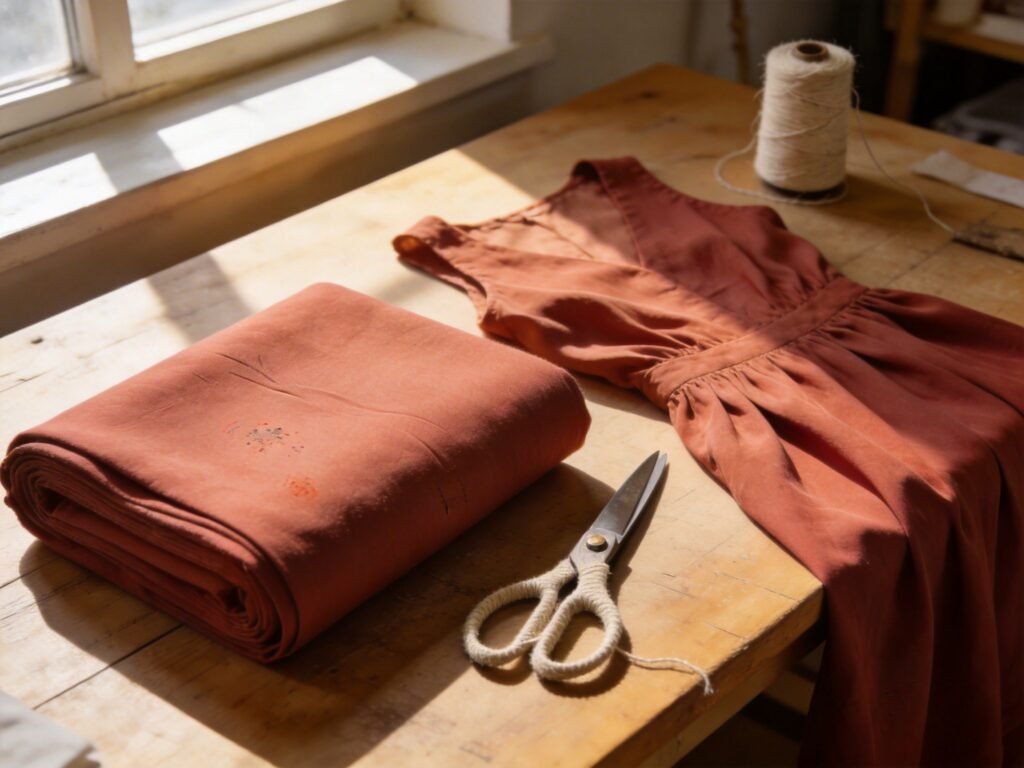
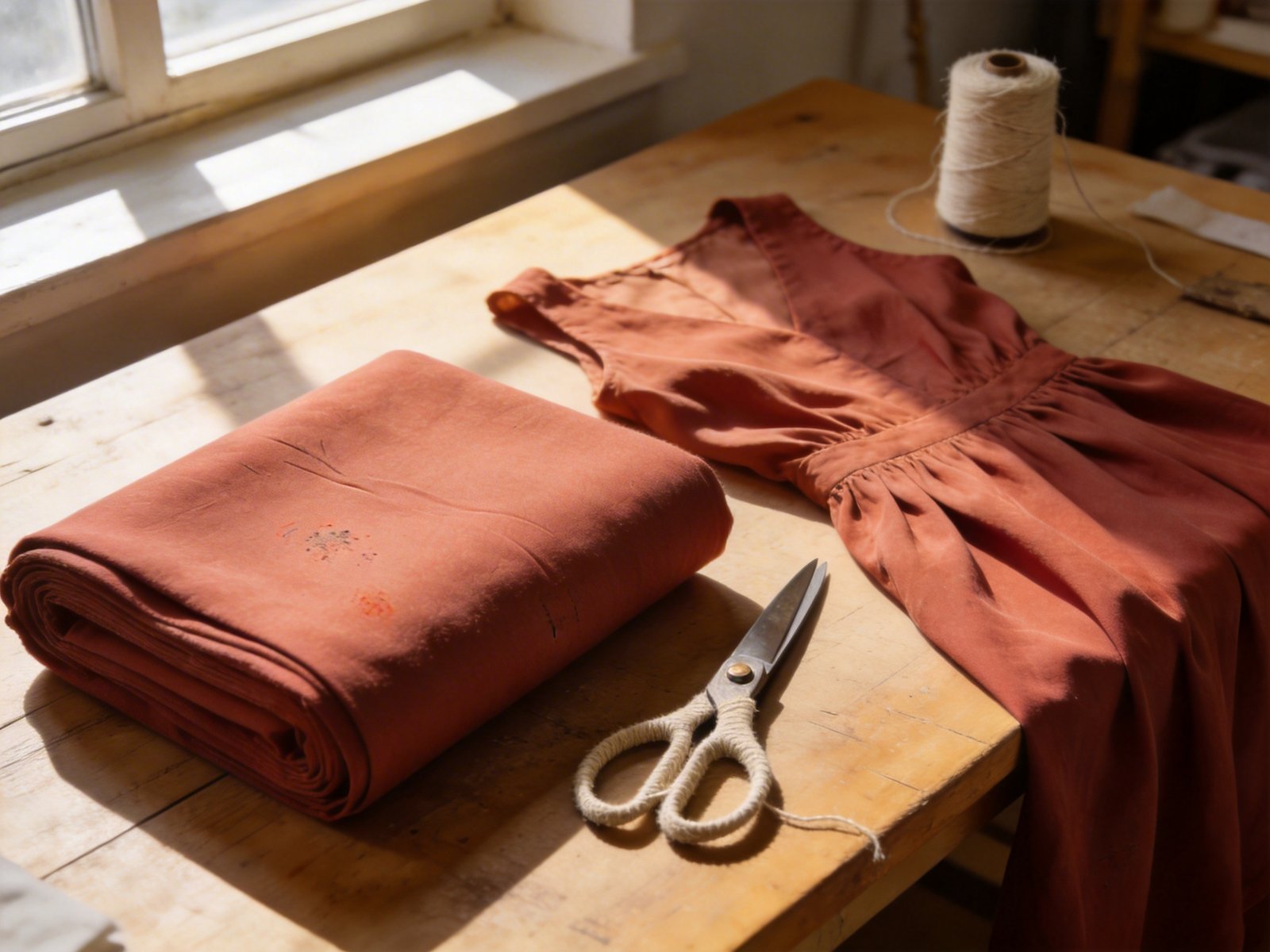
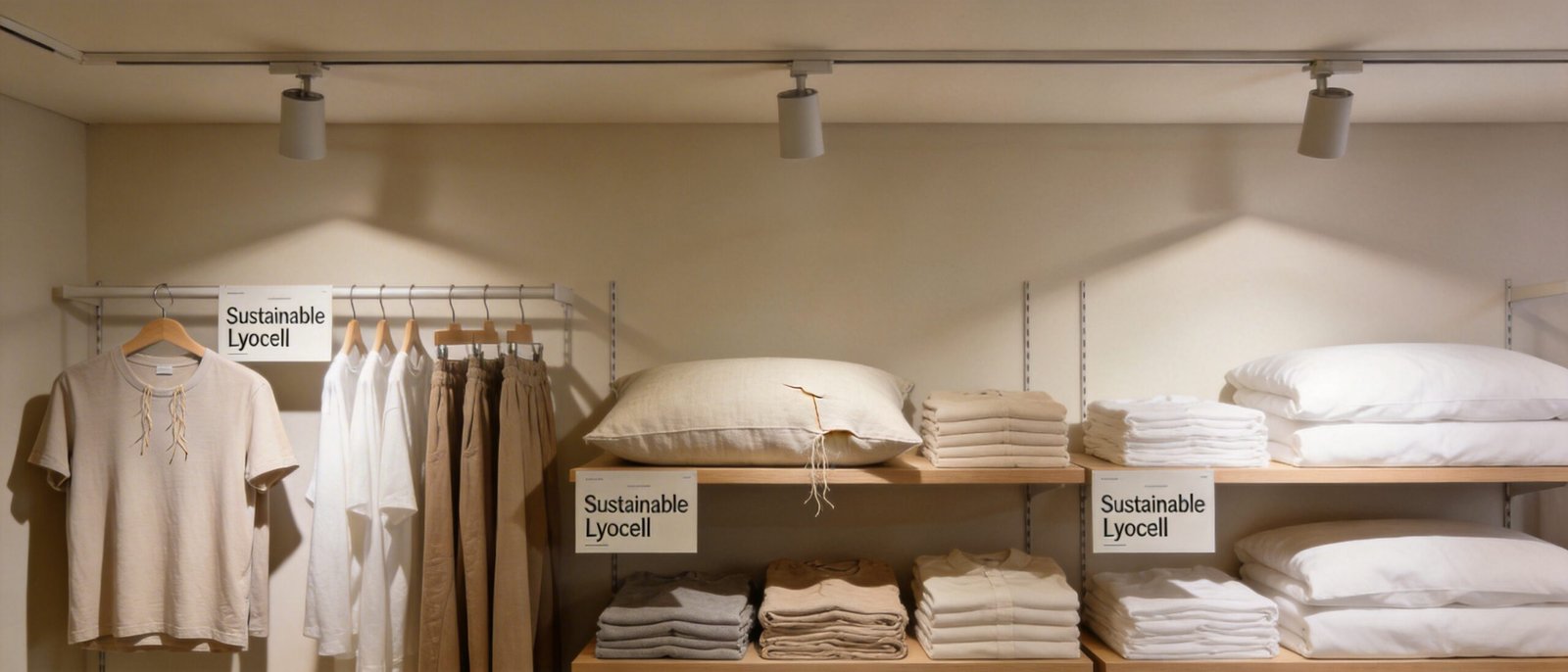
Lyocell fabrics uses span far beyond just clothing. In fashion, it’s used for everything from casual t-shirts, jeans, and loungewear to high-end dresses, blouses, and even tailored suits, thanks to its versatility and soft drape. It’s also a popular choice for activewear, as its moisture-wicking properties keep athletes cool and dry during workouts.
Beyond fashion, lyocell is making its way into home goods: it’s used for bed sheets, pillowcases, towels, and even upholstery, where its softness and breathability make it comfortable for everyday use. Some brands are even using lyocell in baby clothing and accessories, thanks to its hypoallergenic properties. As sustainability becomes a bigger priority, we’re likely to see even more innovative uses for lyocell in the coming years, from eco-friendly packaging to medical textiles.
Step-by-Step Lyocell Fabrics Care Guide for Longevity
To keep your lyocell garments and home goods looking their best, follow this simple lyocell fabrics care guide. First, always check the care label, but in general, lyocell should be washed in cold or warm water (avoid hot water, which can cause shrinking) on a gentle cycle. Use a mild, eco-friendly detergent, and avoid bleach or fabric softeners, which can damage the fiber’s structure.
When drying, air-dry lyocell items flat or hang them up to prevent stretching and shrinking. If you must use a dryer, use the lowest heat setting and remove items while they’re still slightly damp to reduce wrinkling. To remove wrinkles, iron on a low to medium heat setting, and use a pressing cloth to avoid damaging the fabric. Finally, avoid dry cleaning lyocell unless the care label specifically recommends it, as the chemicals can harm the fiber and its eco-friendly credentials.
Conclusion
Lyocell fabrics have quickly become a leader in the sustainable textile space, thanks to its unbeatable combination of comfort, performance, and eco-friendly credentials. Its core benefits—softness, breathability, and moisture-wicking properties—make it a favorite for both fashion and home goods, while its closed-loop production process sets it apart from less sustainable alternatives like conventional cotton and modal.
While it has some limitations, like a tendency to wrinkle and shrink if not cared for properly, following a simple lyocell fabrics care guide can help extend the life of your items. Whether you’re a brand looking to offer more sustainable options or a consumer searching for comfortable, planet-friendly clothing and home goods, lyocell is a versatile, reliable choice that’s here to stay. As the demand for eco-friendly textiles continues to grow, lyocell is poised to play an even bigger role in shaping the future of fashion and home decor.