Linen Cotton vs. Linen Tencel Blends: Benefits, Sustainability, and Summer Suitability
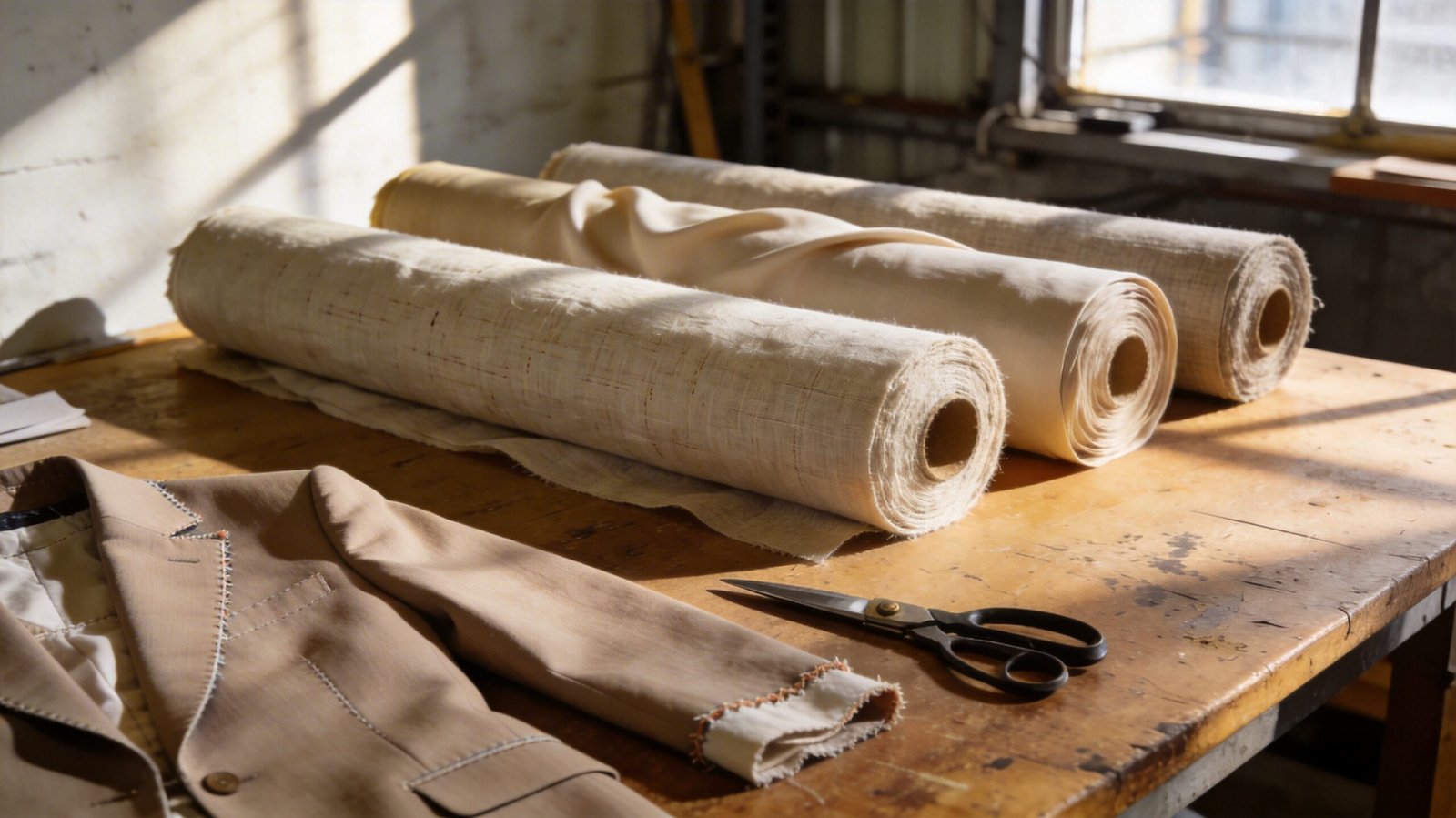
Linen has held its crown as a go-to fabric for warm-weather fashion and cozy home textiles for centuries, prized for its breezy feel, natural texture, and timeless aesthetic. But pure linen isn’t the only player in town: linen cotton blends and linen tencel blends have emerged as versatile alternatives that balance linen’s iconic qualities with practical upgrades. Whether you’re a clothing brand sourcing fabrics for summer collections, a home textile designer, or a consumer looking to invest in long-lasting pieces, understanding the differences between these options—including their summer suitability, sustainability profiles, and even linen fabric care tips—will help you make the best choice for your needs.
Pure Linen vs. Linen Blends: Key Differences and Core Qualities
What Makes Pure Linen a Timeless Fabric Choice
Pure linen, milled from the flax plant, is celebrated for its unrivaled breathability and moisture-wicking properties, making it one of the best fabrics for sweltering summer days. Its natural slubs and textured weave give it a relaxed, lived-in charm that only improves with age, and it’s naturally antimicrobial, resisting odors and bacteria without chemical treatments. That said, pure linen has its quirks: it wrinkles easily, requires gentle handling, and can feel stiff until broken in. It’s a premium choice for special-occasion apparel, high-end bed linens, and pieces where that classic linen look is non-negotiable.
Why Linen Blends (Cotton and Tencel) Gain Traction for Everyday Use
While pure linen shines in luxury settings, linen blends address many of its practical drawbacks, making them ideal for everyday wear and frequent-use home textiles. Linen cotton blends and linen tencel blends soften linen’s stiffness, reduce wrinkling, and often add a smoother drape without sacrificing its core breathability. For clothing manufacturers and consumers alike, this means pieces that are more low-maintenance, comfortable straight out of the package, and versatile enough for everything from office wear to weekend errands. Blends also open up new design possibilities, allowing for finer weaves, more consistent colors, and fabrics that hold their shape better over time.
Linen Cotton Blend Benefits, Uses, and Care Basics
Core Benefits of Linen-Cotton Blends for Apparel and Home Textiles
When it comes to linen cotton blend benefits, the biggest win is the perfect middle ground between two beloved natural fabrics. Linen brings breathability, moisture-wicking, and that signature texture, while cotton adds softness, durability, and a more relaxed drape. This combination means linen-cotton blends are less prone to the extreme wrinkling of pure linen, making them a great choice for travel-friendly shirts, casual dresses, and everyday bed sheets. For apparel, they offer a polished yet laid-back look that works for both office and weekend settings, while home textiles like tablecloths and napkins stay looking neat longer between washes. They’re also often more affordable than pure linen, making them accessible for mass-market brands and budget-conscious consumers.
Practical Linen Cotton Blend Care Tips for Longevity
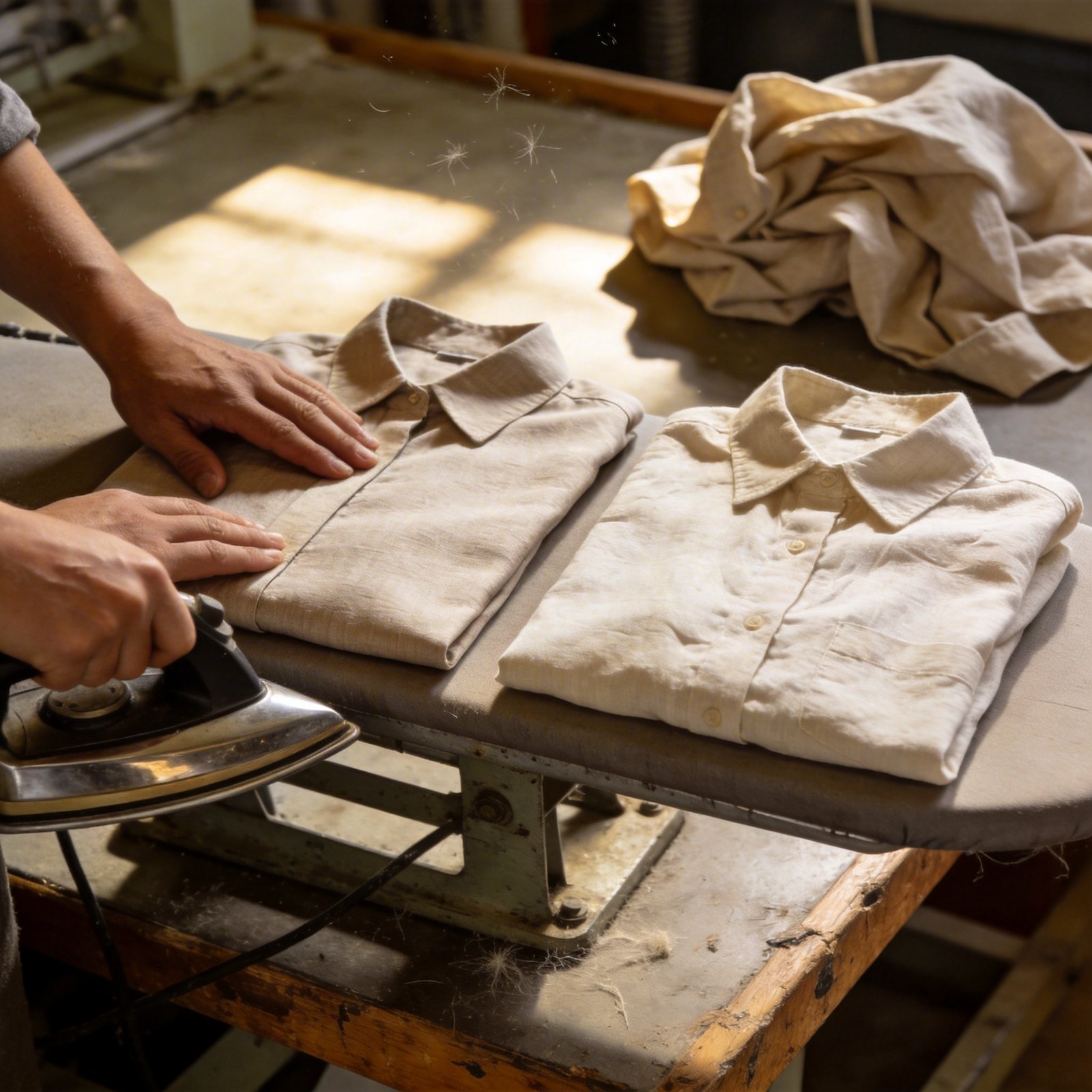
To keep your linen-cotton pieces looking their best, follow these simple linen cotton blend care tips. Wash items in cold or warm water on a gentle cycle to avoid fading and fraying—hot water can weaken the fibers over time. Skip the dryer if possible; line-drying preserves the fabric’s shape and reduces wrinkling, but if you do use a dryer, opt for a low-heat setting and remove items while slightly damp to minimize creases. Iron on a medium-hot setting if needed, and avoid bleach, which can break down both linen and cotton fibers. With proper care, linen-cotton blends can last for years, softening with each wash while retaining their core breathability.
Linen Tencel Blend Uses, Sustainability, and Standout Advantages
Ideal Linen Tencel Blend Uses for Fashion and Beyond
Linen tencel blend uses span across apparel, activewear, and home textiles, thanks to their unique combination of linen’s breathability and Tencel’s silky smoothness. Tencel (a branded lyocell fiber) is derived from sustainably harvested eucalyptus, and it adds a luxe, fluid drape to linen, making these blends perfect for flowy dresses, tailored blouses, and lightweight trousers that move with the body. In home textiles, linen-tencel bed linens offer the best of both worlds: linen’s moisture-wicking keeps sleepers cool in summer, while Tencel’s softness feels gentle against skin. They’re also a great choice for loungewear, as the blend resists pilling and maintains its smooth texture even after frequent use.
Sustainability Profile of Linen-Tencel Blends
When evaluating linen blend sustainability, linen-tencel blends stand out as a top eco-friendly choice. Linen is already a low-impact fabric: flax requires minimal water and pesticides to grow, and the entire plant can be used, reducing waste. Tencel lyocell takes this a step further: it’s produced using a closed-loop manufacturing process that recycles over 95% of solvents and water, minimizing environmental harm. Unlike some synthetic blends, linen-tencel blends are fully biodegradable, so they won’t linger in landfills at the end of their lifecycle. For brands and consumers prioritizing sustainable fashion and home goods, this blend offers a guilt-free way to enjoy linen’s benefits without compromising on eco-values.
Linen Cotton Blend vs. Tencel: Which Is Right for You?
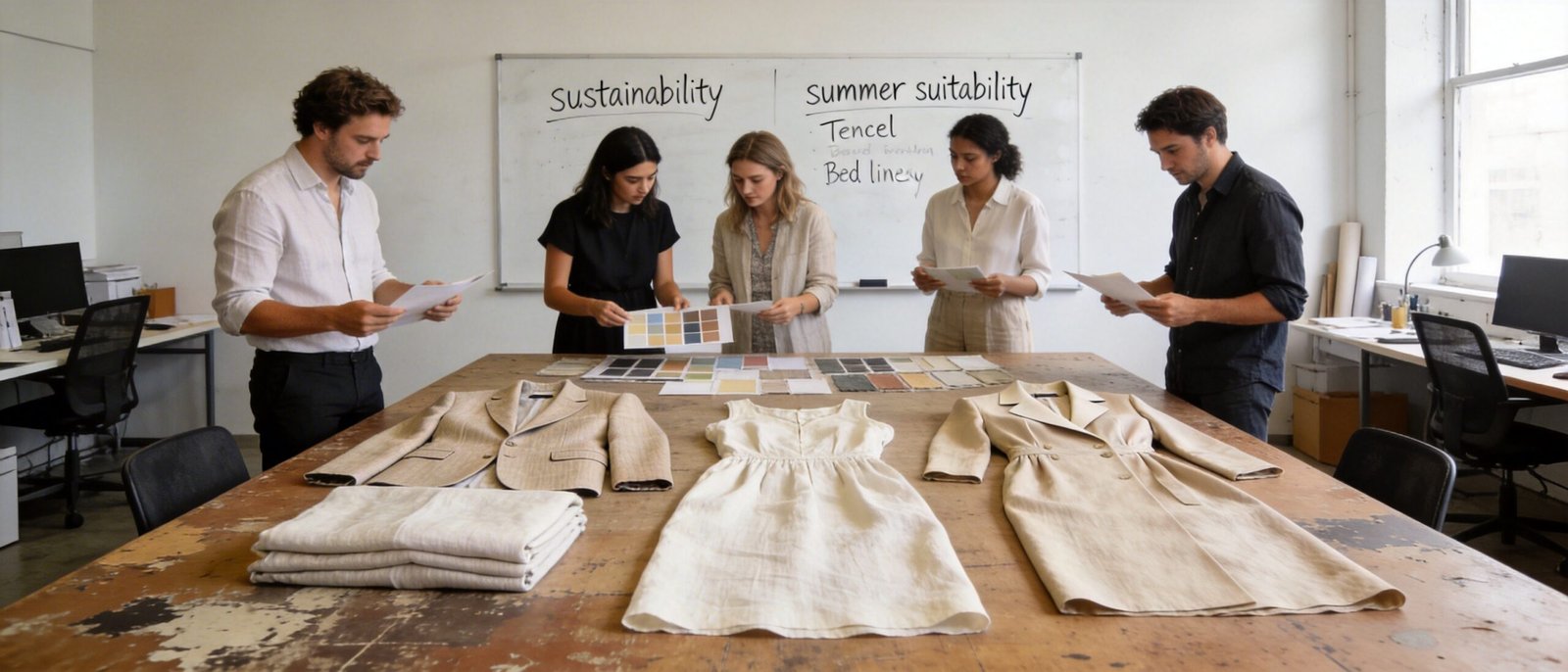
Performance Comparison: Durability, Breathability, and Comfort
When weighing linen cotton blend vs tencel, start by considering your priorities for durability and comfort. Linen-cotton blends are slightly more rugged, making them a better choice for high-wear items like everyday shirts, kids’ clothing, and kitchen linens that see frequent washing and use. They have a more textured feel, which some prefer for a casual, relaxed look. Linen-tencel blends, by contrast, are softer and more lightweight, with a smoother drape that lends itself to dressier apparel and luxury home textiles. Both blends are highly breathable and moisture-wicking, but Tencel’s natural ability to regulate temperature makes linen-tencel slightly more versatile for transitional seasons, too.
Best Linen Blends for Summer: Matching Fabric to Seasonal Needs
For anyone searching for the best linen blends for summer, both options deliver, but each excels in different scenarios. Linen-cotton blends are ideal for outdoor activities, travel, and everyday summer wear where you need a fabric that can handle a little rough handling without looking rumpled. Their textured weave also hides minor wrinkles, which is a plus for busy days. Linen-tencel blends, meanwhile, are perfect for formal summer events, office wear, and sleepwear, where a polished, smooth look is key. Their lightweight, flowy drape keeps you cool without sacrificing style, and they resist odors well, making them great for all-day wear in high humidity.
Conclusion
Pure linen, linen cotton blends, and linen tencel blends each have their own unique strengths, catering to different needs and preferences. Pure linen remains the gold standard for luxury and that iconic textured look, while linen-cotton blends offer an affordable, durable, low-maintenance alternative for everyday use—with clear linen cotton blend benefits and simple care tips to extend their life. Linen-tencel blends, on the other hand, stand out for their sustainability profile, silky comfort, and versatile drape, making them a top choice for eco-conscious consumers and dressier summer apparel.
When choosing between these fabrics, consider your priorities: if you want timeless luxury, go for pure linen. For everyday durability and budget-friendliness, linen-cotton is your match. And if sustainability and a smooth, polished look are non-negotiable, linen-tencel blends are the way to go. No matter which you pick, all three options deliver the breathability and summer suitability that make linen fabrics a perennial favorite in fashion and home textiles.