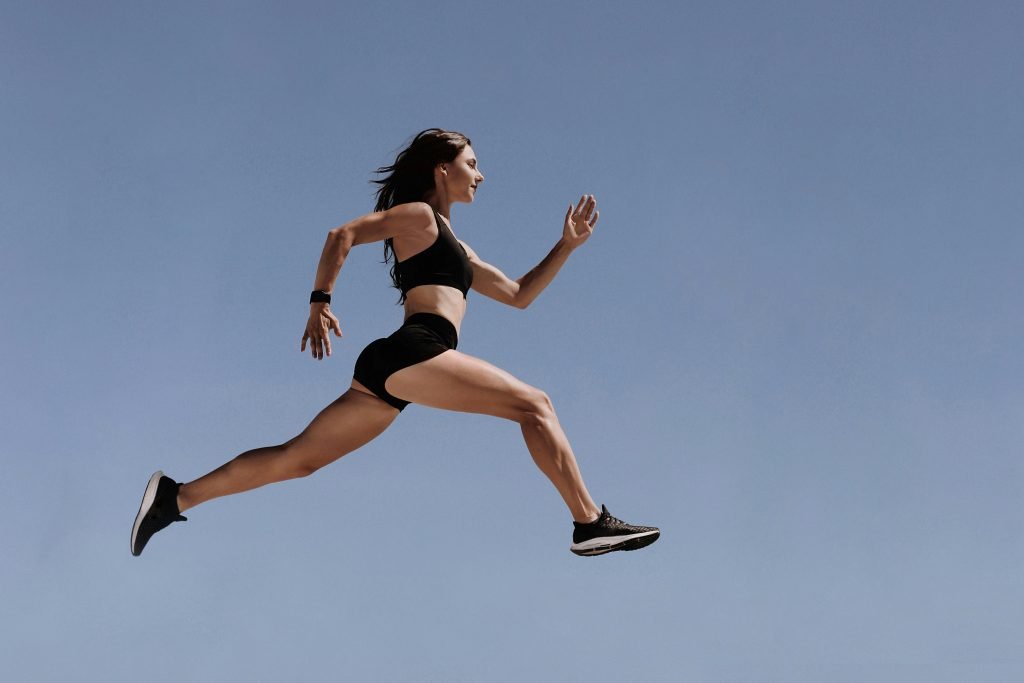
In recent years, sportswear has broken free from its purely functional roots and emerged as a staple in everyday fashion. Today’s consumers no longer see activewear as just gym clothes, but as an expression of personal style, lifestyle choices, and even social values. As we head into 2025, the sportswear design trends across Europe and North America are becoming more dynamic, merging high-end aesthetics with performance-driven materials. From retro sportswear comebacks to luxury activewear collaborations, brands and sportswear factories alike must stay ahead of the curve to thrive in a competitive market.
1.Luxury Fashion Moves into Sportswear: “Cardio Couture”
Cardio Couture trend
Once confined to the realm of runways and red carpets, luxury fashion houses like Louis Vuitton, Prada, and Celine are now investing in activewear collections. This shift, dubbed “Cardio Couture,” reflects a rising demand among affluent consumers for products that combine high-end fashion with athletic functionality.
These luxury activewear lines are not just about logos—they represent a deeper transformation in how consumers view performance wear. Premium materials such as moisture-wicking cashmere blends, sculpting compression fabrics, and laser-cut mesh are now staples in these collections. Thoughtful design details like bonded seams, ergonomic paneling, and branded hardware elevate the product’s perceived value.
For sportswear factories, this means being able to execute precise craftsmanship, support low-MOQ (minimum order quantity) testing, and provide access to specialty materials that align with high-fashion expectations.
Luxury in Motion: How Louis Vuitton and Prada Are Redefining Activewear
Luxury brands are no longer confined to the red carpet—they’re now making bold moves into the world of sportswear. Among the most notable players are Louis Vuitton and Prada, both of which are redefining what it means to be fashionable while functional.
Louis Vuitton, under the creative direction of figures like Virgil Abloh and Pharrell Williams, has embraced a more athletic and streetwear-inspired aesthetic. The LV Trainer sneakers, inspired by ’90s basketball shoes, fuse premium materials with sporty silhouettes and have become an icon of luxury athleisure. The brand’s collaboration with the NBA produced capsule collections featuring varsity jackets, hoodies, and tailored pieces that blend the elegance of Parisian fashion with the energy of American sports culture. Additionally, accessories like tennis bags and even golf sets demonstrate LV’s intent to dominate the high-end active lifestyle market.
Meanwhile, Prada has leaned into performance and minimalism with its Linea Rossa (Red Line) collection—an activewear line designed with advanced technical fabrics such as Gore-Tex and stretch nylon. The pieces are made for real movement—skiing, sailing, cycling—yet maintain the sleek, understated Prada aesthetic. One of Prada’s most groundbreaking steps into activewear is its ongoing collaboration with Adidas, blending high-performance sportswear with Italian luxury. From reimagined Superstar sneakers to the Luna Rossa sailing shoes, these designs offer functionality without compromising style.
Both brands are capitalizing on the growing demand for luxury activewear that doesn’t just look good but also performs. As more consumers seek premium gear that can transition from workout to weekend, these fashion houses are proving that couture and cardio can indeed go hand in hand.
2.The Comeback of Retro Sportswear
Nostalgia is one of the most powerful tools in fashion marketing today. Retro sportswear, particularly styles inspired by the ’80s and ’90s, is having a major resurgence. Consumers are embracing bold color blocking, oversized logos, high-waisted silhouettes, and vintage-inspired track jackets. Brands like Adidas Originals and Fila have successfully leveraged their heritage to tap into this trend.
Among younger consumers in the West, these throwback styles offer a sense of identity and authenticity. For sportswear factories, the challenge is to recreate vintage aesthetics while integrating modern performance materials such as recycled polyester, breathable meshes, and water-resistant coatings. Seamlessly blending retro design with today’s functionality allows brands to cater to both nostalgia and practicality.
3.Versatility and Cross-Functional Wear
Modern consumers expect more from their wardrobes—especially when it comes to athleisure fashion. The concept of cross-functional or versatile sportswear is booming. People want outfits that can seamlessly transition from a morning workout to casual brunch or even a remote work setting.
This has sparked demand for clever design features: removable sleeves, adjustable hems, convertible styles, and multi-pocket solutions. Clothing that can adapt to weather, activity levels, and style preferences adds real value. Key material innovations—like temperature-regulating fabrics or odor-resistant finishes—also support this lifestyle shift.
Sportswear brands that succeed in this area understand that functionality and style are no longer mutually exclusive. And for manufacturers, it means the ability to prototype multi-use garments with high technical precision and flexibility in production.
4.Gender-Neutral and Inclusive Design
Another driving force in the evolution of sportswear design trends is inclusivity. The rise of gender-neutral sportswear reflects a broader cultural shift toward dismantling binary norms in fashion. Leading brands are now creating collections that prioritize fit, comfort, and style for all gender identities.
Moreover, there’s an increased emphasis on size inclusivity and adaptive design—offering performance gear for all body types, ages, and special needs. This not only enhances brand reputation but also significantly expands the customer base.
Factories supporting such initiatives must be skilled in pattern adjustments, grading for extended size ranges, and understanding ergonomics across a wide spectrum of body types. Collaborating closely with brands during the development phase is essential to ensure consistency in both function and fit.
5.How Sportswear Factories Are Adapting
To keep up with the fast-moving landscape of sportswear fashion, manufacturers must move beyond traditional production models. Today’s factories need to offer:
- Flexible sampling processesto accommodate frequent design iterations.
- Cross-style developmentcapabilities to meet the needs of brands working on both fashion-forward and performance-focused pieces.
- Advanced textile sourcing, including sustainable, functional, and luxury-grade materials.
- Seamless communication and tech integrationfor faster lead times and collaborative innovation.
Case in point: forward-thinking factories are already working with both emerging brands and global players to co-develop hybrid products—such as waterproof, insulated track pants with a designer silhouette or ergonomic sports bras that double as fashion tops.
Conclusion: Fashion Meets Function in Sportswear’s New Era
The evolution of sportswear design trends reflects a growing desire for apparel that aligns with consumers’ dynamic lifestyles and values. The fusion of fashion, function, and flexibility is driving innovation across every segment of the industry—from retro sportswear revivals to luxury activewear drops and gender-neutral design.
Brands that understand and act on these trends—supported by capable, forward-looking sportswear factories—are best positioned to win in the global marketplace. Whether it’s reimagining nostalgic aesthetics or redefining premium performance gear, staying agile and trend-aware is the key to success in 2025 and beyond.