Develop Summer Clothing Collections: From Activewear to Plus-Size & Resort Wear – Expert Guidance
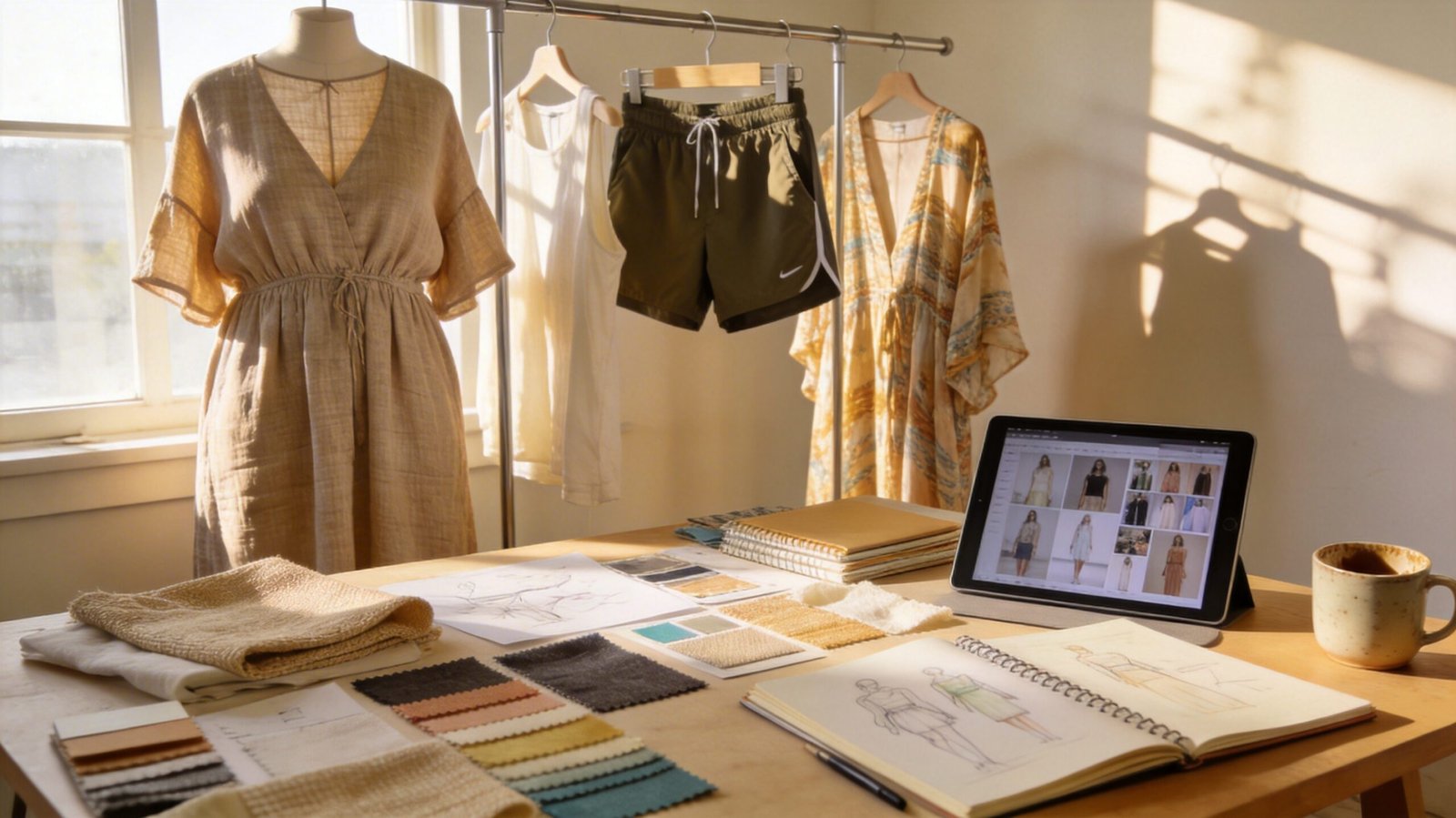
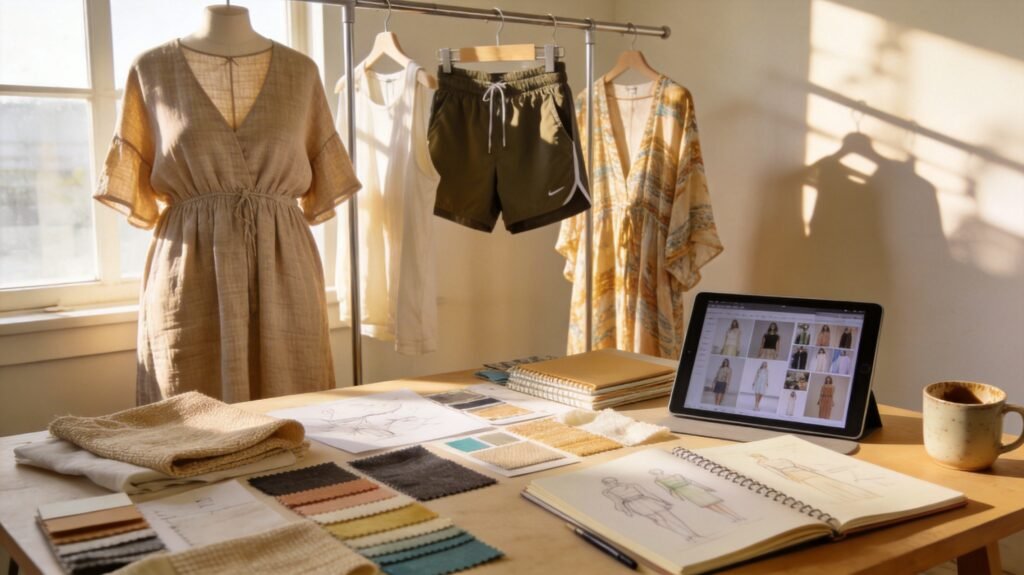
For clothing manufacturers and designers, summer isn’t just a season—it’s a high-stakes opportunity to connect with customers craving functional, stylish, and relevant pieces. To develop summer clothing collections that resonate, you need more than just cute prints and lightweight fabrics; you need a strategic approach that balances trend appeal, sustainability, budget constraints, and the unique demands of niche audiences. Many teams struggle to hit these marks: overinvesting in fleeting trends, overlooking inclusive sizing, or compromising on eco-values to cut costs. This guide breaks down actionable frameworks, specialized niche strategies, and budget-friendly sustainability tips to help you launch a summer collection that stands out and drives sales.
Lay the Foundation: Core Steps to Develop Summer Clothing Collections
Before diving into fabric swatches or design sketches, you need a solid foundation to avoid costly missteps. These core steps ensure your collection aligns with market needs and your brand’s identity.
Conduct Summer Trend & Audience Research
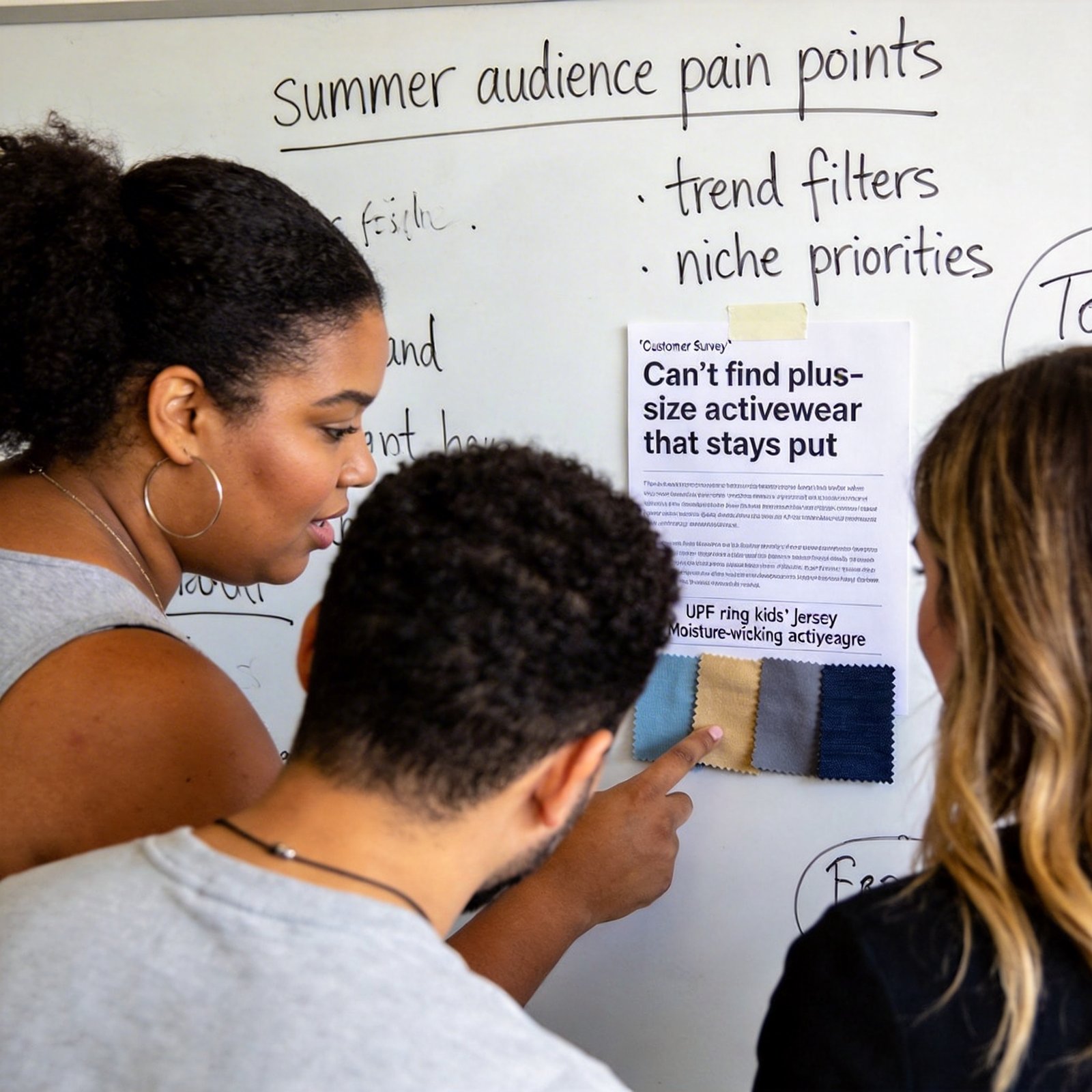
Trend research isn’t just about scrolling Instagram or runway shows—it’s about filtering what’s relevant to your specific audience. For example, a fast-fashion brand might prioritize viral micro-trends like tie-dye or cutouts, while a sustainable brand might lean into timeless, minimalist silhouettes with eco-friendly twists. Pair trend data with audience insights: survey your existing customers to learn their biggest summer pain points (e.g., “I can’t find activewear that doesn’t ride up during hikes” or “Plus-size dresses are often too tight in the shoulders”). Don’t forget to include kids summer collection development in your research if your brand caters to families—parents prioritize durability, sun protection, and easy-on/easy-off designs for little ones.
Define Your Collection’s Niche & Value Proposition
Once you have research in hand, narrow your focus to avoid spreading your resources too thin. Are you targeting busy parents looking for affordable, kid-friendly summer basics? Or luxury shoppers seeking high-end resort wear? Your value proposition should tie directly to their needs: for example, “inclusive plus-size summer pieces that combine on-trend style with supportive, breathable fabrics” or “sustainable activewear made from recycled ocean plastic for eco-conscious gym-goers.” This clarity will guide every decision from fabric selection to pricing, making it easier to develop summer clothing collections that stand out in a crowded market.
Specialized Collection Development: Niche Summer Line Strategies
Summer’s diverse customer demands call for tailored approaches to niche segments. Here’s how to excel in three high-growth categories:
Summer Activewear Collection Design: Function Meets Breathability
Summer activewear needs to work as hard as the people wearing it, whether they’re running a 5K, practicing yoga in the park, or chasing kids at the beach. Prioritize fabrics with moisture-wicking properties (like recycled polyester blends or Tencel) that also offer UPF sun protection—non-negotiable for outdoor summer activities. Design details matter too: flatlock seams to prevent chafing, stretch panels for full mobility, and hidden pockets for storing keys or lip balm. Balance function with style by incorporating soft pastels, subtle prints, or color-blocking that transitions seamlessly from the gym to a post-workout coffee run.
Plus-Size Summer Collection Development: Inclusive Fit & Style
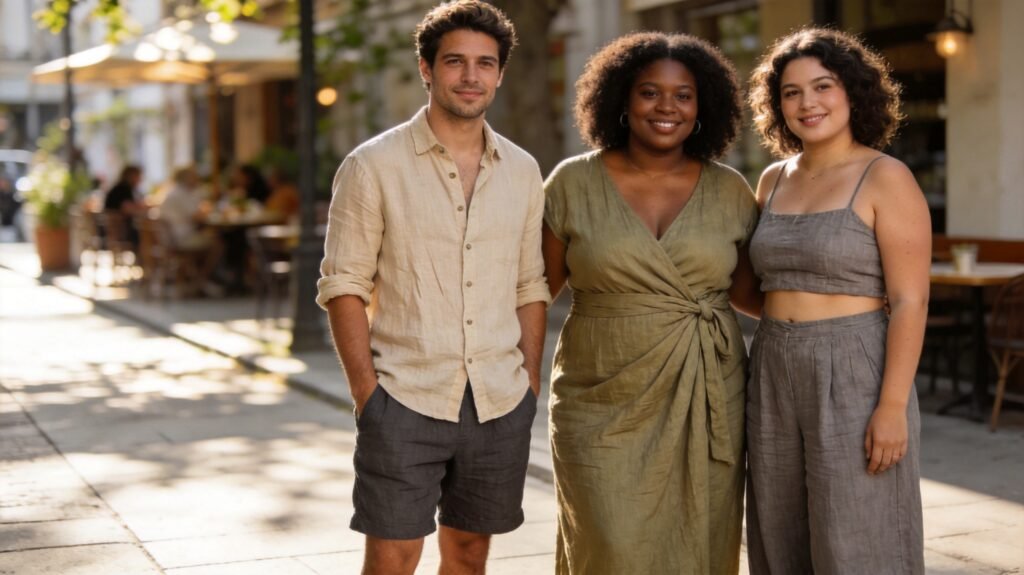
Inclusive sizing isn’t just a trend—it’s a business imperative. When working on plus-size summer collection development, start with fit data from real plus-size bodies (not just scaled-up standard sizes) to ensure pieces flatter a range of shapes. Focus on supportive structures: wide waistbands for bottoms, adjustable straps for dresses, and breathable linings that prevent clinging. Style shouldn’t be an afterthought either—offer on-trend pieces like cropped tops, maxi dresses, and high-waisted shorts in prints and colors that celebrate summer, avoiding the outdated “matronly” silhouettes that have long plagued plus-size fashion.
Summer Resort Wear Collection Guide: Luxe, Lightweight, and Vacation-Ready
Resort wear lives at the intersection of luxury and practicality, designed for everything from beach brunches to rooftop cocktails. Opt for lightweight, flowy fabrics like linen-cotton blends, silk charmeuse, or recycled chiffon that pack easily without wrinkling. Silhouettes should be relaxed but polished: think oversized linen shirts, slip dresses with delicate embroidery, and high-waisted wide-leg pants. Add subtle luxury touches like shell buttons, tassel details, or custom prints inspired by tropical destinations. Remember, resort wear shoppers are willing to invest in pieces that feel special, so prioritize quality construction and timeless designs that can be worn for multiple vacations.
Sustainable & Budget-Friendly Summer Collection Best Practices
Sustainability and budget don’t have to be mutually exclusive. With intentional planning, you can create collections that are kind to the planet and your bottom line.
Sustainable Summer Collection Development: Eco-Friendly Materials & Production
Sustainable summer collection development starts with fabric choices. Swap conventional cotton for organic cotton, hemp, or lyocell—all breathable, biodegradable, and better for the environment. For synthetic fabrics, use recycled polyester made from plastic bottles or fishing nets to reduce waste. On the production side, partner with factories that use waterless dyeing techniques or solar-powered facilities to cut your carbon footprint. You can also reduce waste by designing pieces with minimal fabric scraps, or using leftover materials to create small accessories like hair scrunchies or tote bags.
Budget Summer Line Development: Cost-Saving Tips Without Sacrificing Quality
Developing a budget-friendly summer line doesn’t mean cutting corners on quality. Start by streamlining your collection size: focus on 10–15 core pieces that can be mixed and matched, rather than 30+ one-off designs. This reduces fabric minimums and production costs. Opt for versatile fabrics that work across multiple styles—for example, a lightweight organic cotton can be used for t-shirts, dresses, and shorts. Negotiate bulk discounts with fabric suppliers, and consider using deadstock fabrics (leftover materials from other brands) for limited-edition pieces, which also adds a sustainable twist. Finally, test small production runs first to avoid overstocking on styles that don’t sell.
Eco-Friendly Summer Collection Tips: Circular Design & End-of-Life Planning
Go beyond materials by incorporating circular design principles into your eco-friendly summer collection tips. Design pieces that can be easily repaired (e.g., replaceable buttons, reinforced seams) or upcycled (e.g., a dress that can be transformed into a skirt). Offer a take-back program where customers can return old pieces for recycling or store credit, turning one-time buyers into loyal brand advocates. You can also include care labels with instructions to extend the life of each garment, like washing in cold water or line-drying, which reduces the environmental impact of the product after purchase.
Finalize & Launch Your Summer Collection: Quality Control & Go-To-Market Checks
Even the most well-designed collection can fail without proper testing and a strategic launch plan.
Prototype Testing & Fit Validation for Summer Fabrics
Summer fabrics behave differently than winter fabrics—they’re thinner, more breathable, and can stretch or shrink with wear. Test prototypes with real members of your target audience (not just in-house fit models) to ensure sizing is consistent and designs hold up to summer activities. For activewear, test pieces during workouts to check for moisture-wicking and chafe resistance; for plus-size pieces, validate fit across a range of body shapes to ensure comfort and style. Wash and dry prototypes multiple times to check for shrinkage or fading, and adjust fabric blends or construction as needed.
Streamline Production Timelines for Seasonal Launch
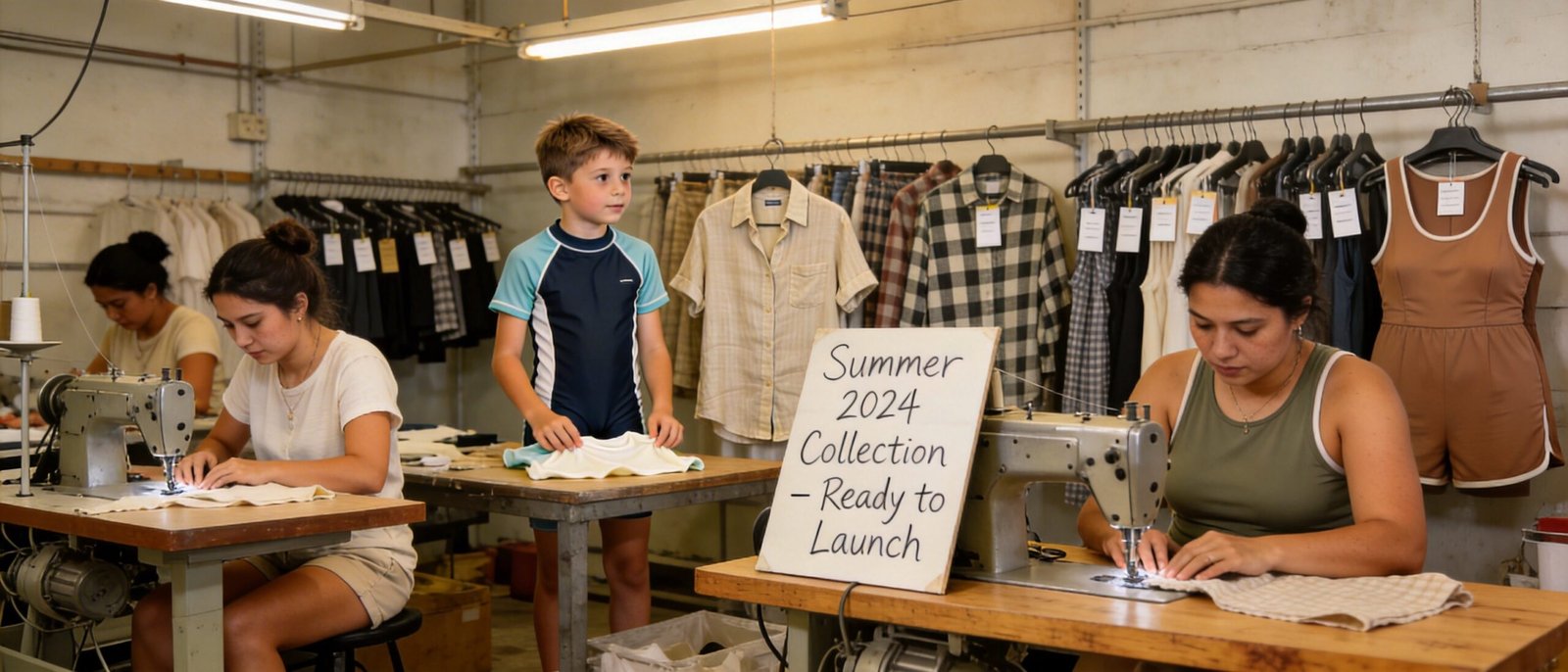
Summer collections need to hit shelves (or online stores) by late spring to capitalize on pre-vacation shopping. Work backward from your launch date to create a realistic timeline: allocate 4–6 weeks for design and prototyping, 8–10 weeks for production, and 2–3 weeks for shipping and quality checks. Build in a buffer of 1–2 weeks for unexpected delays, like fabric shortages or production holdups. Coordinate with your marketing team to tease the collection early—share behind-the-scenes design sketches or fabric swatches on social media to build hype, and target niche audiences with personalized ads (e.g., plus-size shoppers, activewear enthusiasts) to drive pre-orders.
Conclusion
To develop summer clothing collections that resonate, you need to balance strategic foundation-building with specialized niche strategies, all while prioritizing sustainability and budget. By starting with audience research, defining a clear value proposition, and tailoring your approach to high-growth segments like activewear, plus-size, and resort wear, you can create collections that meet customer needs and drive sales. Pair that with sustainable practices and budget-friendly tactics, and you’ll not only reduce your environmental impact but also improve your bottom line. Remember, the most successful summer collections aren’t just about trends—they’re about solving real problems for your customers. Use the frameworks in this guide to launch your next collection, and don’t be afraid to iterate based on customer feedback to refine your approach for future seasons.