Bamboo Activewear vs. Cotton vs. Polyester: Which Fabric Reigns Supreme for Fitness?
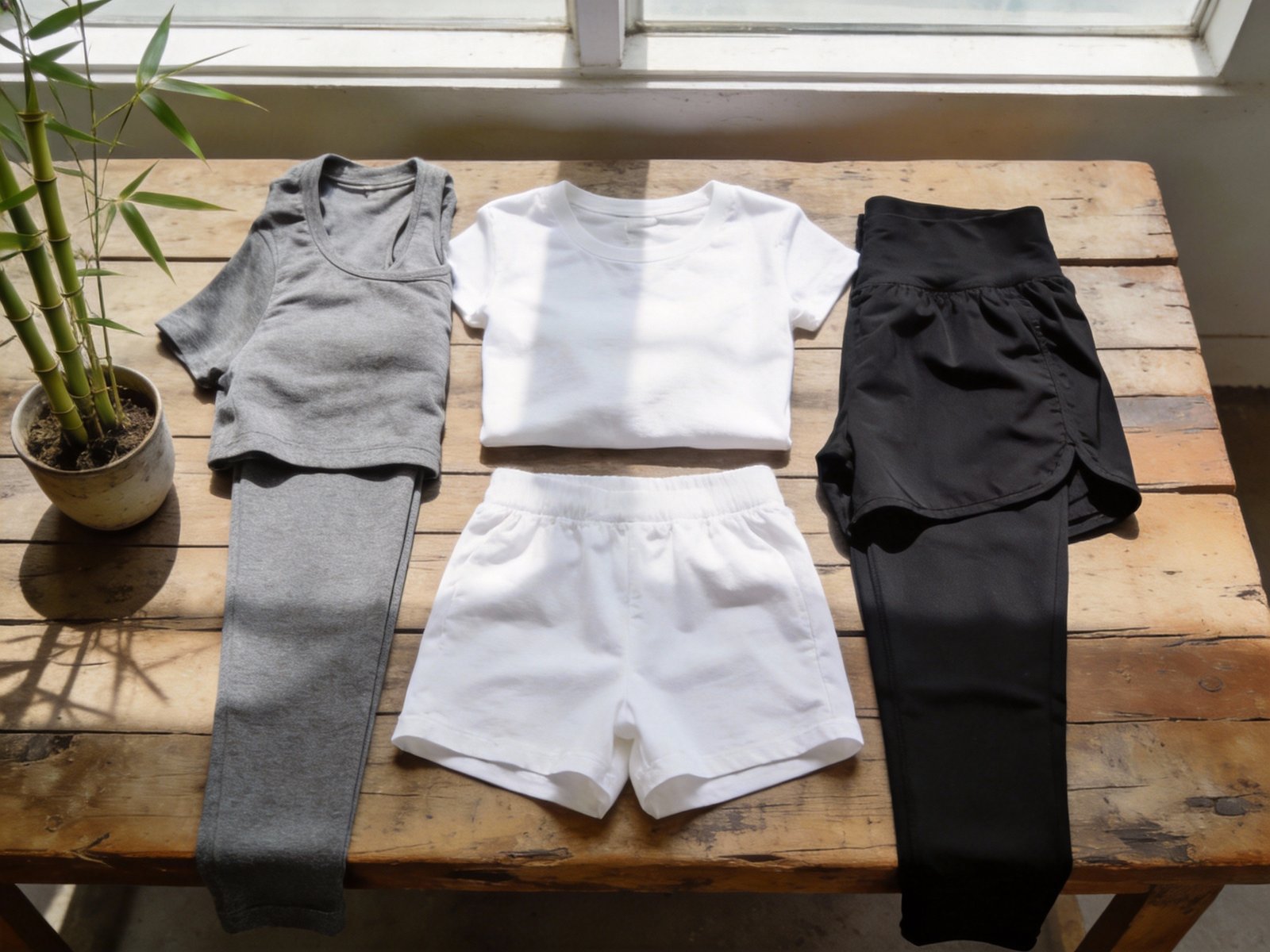
Gone are the days when activewear was just about looking the part. Today’s fitness enthusiasts want gear that works as hard as they do—while aligning with their values around sustainability and comfort. Enter bamboo activewear: a fast-growing favorite that’s blending top-tier performance with eco-friendly credentials. This guide breaks down why bamboo is making waves in the fitness world, how to choose pieces that hold up to your workouts, and how it stacks up against traditional fabrics. By the end, you’ll understand why bamboo activewear isn’t just a trend—it’s a standout option for anyone serious about their fitness and the planet.
Key Benefits of Bamboo Activewear for Fitness and Daily Wear
Moisture-Wicking and Breathability for Intense Workouts
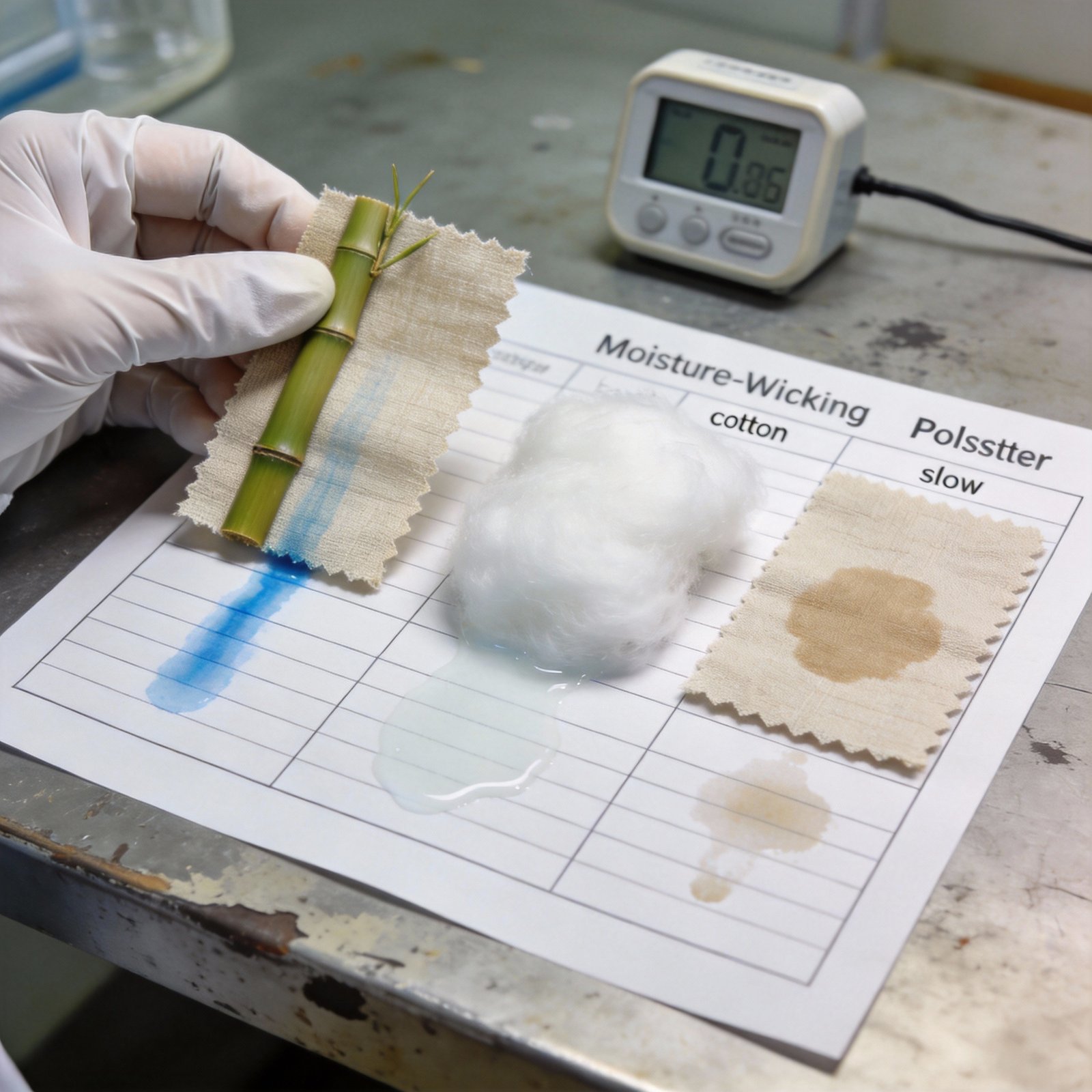
When you’re mid-squat or powering through a morning run, the last thing you need is fabric that traps sweat against your skin. Bamboo’s natural fiber structure is hollow, which lets it pull moisture away from your body and evaporate it quickly—far faster than cotton, which soaks up sweat and stays damp. Even during high-intensity sessions, bamboo activewear keeps you dry and cool, reducing that sticky, heavy feeling that can throw off your focus.
Natural Odor Resistance to Stay Fresh Longer
No one wants to leave the gym smelling like a locker room, and bamboo activewear solves this without relying on synthetic chemical treatments. The hollow fibers also create an environment that’s hostile to odor-causing bacteria, so your gear stays fresh even after back-to-back workouts. Unlike polyester, which can hold onto smells over time, bamboo’s natural properties mean you can wear pieces multiple times (when appropriate) without worrying about lingering odors.
Sustainability and Eco-Friendly Manufacturing Practices
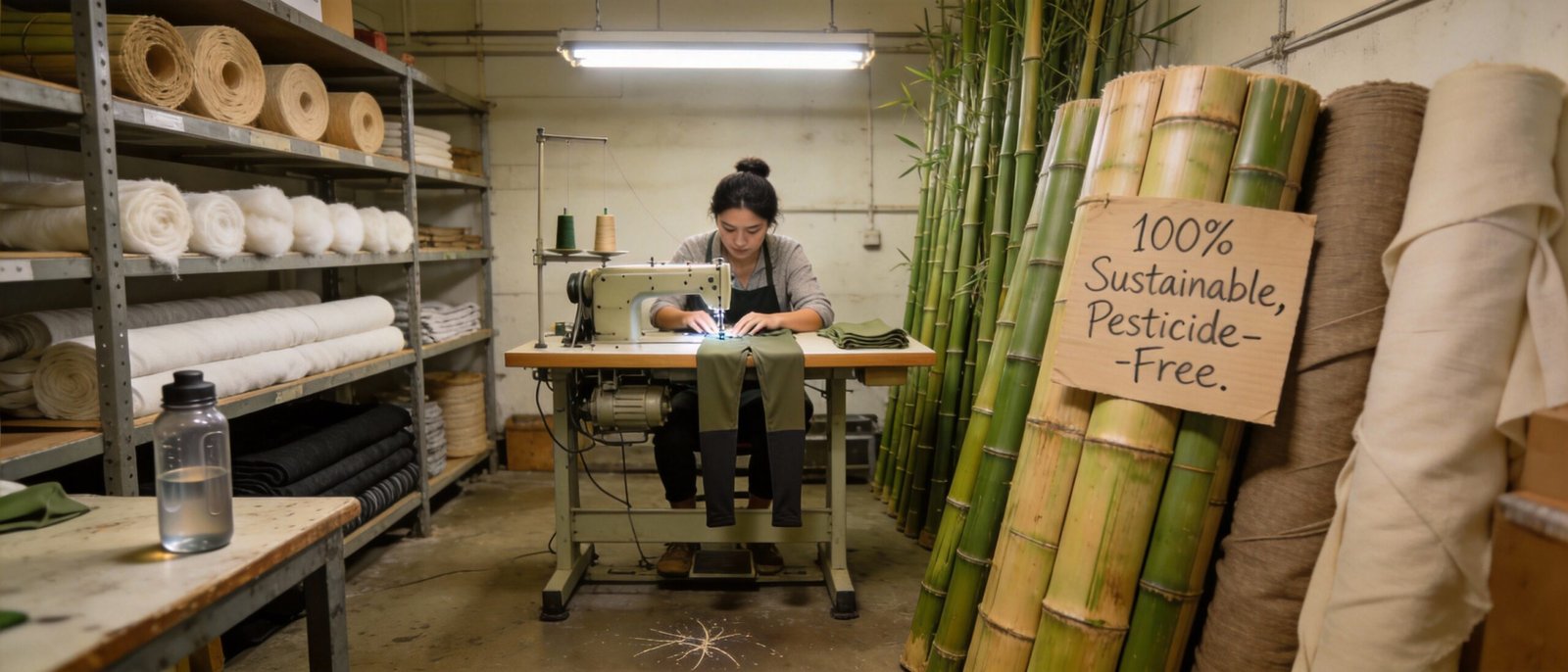
Bamboo is one of the most sustainable plants on the planet: it grows up to 3 feet per day without needing pesticides, fertilizers, or excessive water. Unlike cotton, which is a water-intensive crop, bamboo thrives with minimal resources. Many bamboo activewear brands also use closed-loop manufacturing processes that recycle water and reduce waste, making it a far greener choice than petroleum-based polyester. For fitness lovers looking to shrink their carbon footprint, bamboo activewear is a clear win.
Softness and Skin-Friendly Properties for Sensitive Skin
If you’ve ever dealt with chafing or irritation from scratchy workout gear, bamboo activewear will be a game-changer. The fibers are naturally smooth and round, creating a fabric that feels like a second skin—softer than even premium cotton. It’s hypoallergenic too, making it ideal for anyone with sensitive skin or conditions like eczema. Whether you’re doing a 60-minute yoga flow or running errands post-workout, you’ll stay comfortable without irritation.
How to Choose High-Quality Bamboo Activewear
Look for Certified Bamboo Fabric Blends
Pure bamboo fabric can lack the stretch and durability needed for intense workouts, so high-quality bamboo activewear often uses blends (usually with a small percentage of spandex or lycra). Look for certifications like OEKO-TEX or GOTS (Global Organic Textile Standard) to ensure the fabric is free from harmful chemicals and sourced sustainably. Avoid products labeled “bamboo viscose” without certification, as some manufacturing processes can use toxic chemicals that negate bamboo’s eco-benefits.
Assess Construction for Durability and Stretch
A great bamboo activewear piece should move with you, not against you. Check for flatlock seams that prevent chafing, reinforced stitching in high-tension areas (like waistbands and leg openings), and enough stretch to accommodate deep squats or yoga poses. Hold the fabric up to light—if it’s thin or transparent, it’s likely low-quality and won’t hold up to repeated washes or workouts. The best pieces balance softness with a sturdy, supportive feel.
Match Pieces to Your Fitness Activities (Yoga, Running, Gym)
Not all bamboo activewear is created equal, so match your gear to your routine. For yoga, look for high-waisted bamboo leggings with a wide, non-slip waistband and four-way stretch for unrestricted movement. For running, opt for moisture-wicking bamboo tops with reflective details and a lightweight, breathable fit. For gym sessions, choose supportive bamboo sports bras and shorts that offer compression where you need it without feeling restrictive.
Caring for Your Bamboo Activewear to Extend Its Lifespan
Washing and Drying Best Practices
To keep your bamboo activewear in top shape, wash it in cold water with a mild, fragrance-free detergent. Hot water can break down the natural fibers, causing fading and loss of stretch. Always wash bamboo pieces inside out to protect the fabric’s surface and avoid pilling. Skip the dryer entirely—hang your gear to air dry, as high heat from dryers can shrink or warp the fibers. If you must use a dryer, use the lowest heat setting possible.
Avoiding Common Damage from Harsh Chemicals or Heat
Harsh chemicals like bleach, fabric softeners, and stain removers can break down bamboo’s natural fibers and strip away its odor-resistant properties. Fabric softeners also leave a residue that clogs the hollow fibers, reducing breathability and moisture-wicking performance. Additionally, avoid ironing bamboo activewear—high heat can melt the fibers or leave permanent marks. If you need to de-wrinkle a piece, hang it in a steamy bathroom for a few minutes instead.
Bamboo Activewear vs. Traditional Activewear Fabrics
When pitted against cotton and polyester, bamboo activewear holds its own in nearly every category.
Cotton is soft and affordable, but it’s a poor choice for fitness: it absorbs sweat, stays damp, and takes forever to dry, leading to chafing and odor. It’s also far less sustainable, requiring massive amounts of water to grow.
Polyester is durable and moisture-wicking, but it’s made from non-renewable petroleum, and its synthetic fibers can trap heat and odors over time. Many people also find polyester to be less comfortable against the skin, especially during long workouts.
Bamboo activewear strikes the perfect balance: it’s as breathable and moisture-wicking as polyester, as soft as cotton, and far more sustainable than both. It’s also naturally odor-resistant and skin-friendly, making it a better all-around choice for both performance and daily wear.
Conclusion
Bamboo activewear isn’t just a trendy alternative—it’s a high-performance, eco-friendly solution that checks every box for fitness enthusiasts. Its natural moisture-wicking, odor-resistant, and skin-friendly properties make it ideal for every type of workout, while its sustainable sourcing aligns with the growing demand for ethical fashion. By choosing certified blends, matching pieces to your activities, and following proper care practices, you can build a bamboo activewear wardrobe that lasts for years.
Ready to upgrade your workout wardrobe? Use our buying tips to find high-quality bamboo activewear pieces that fit your fitness routine and values, or explore curated selections from trusted sustainable brands to make the switch today. Your body and the planet will thank you.