
Activewear: The Fastest Growing Apparel Category in 2026 – Market Size, Drivers, and Forecasts
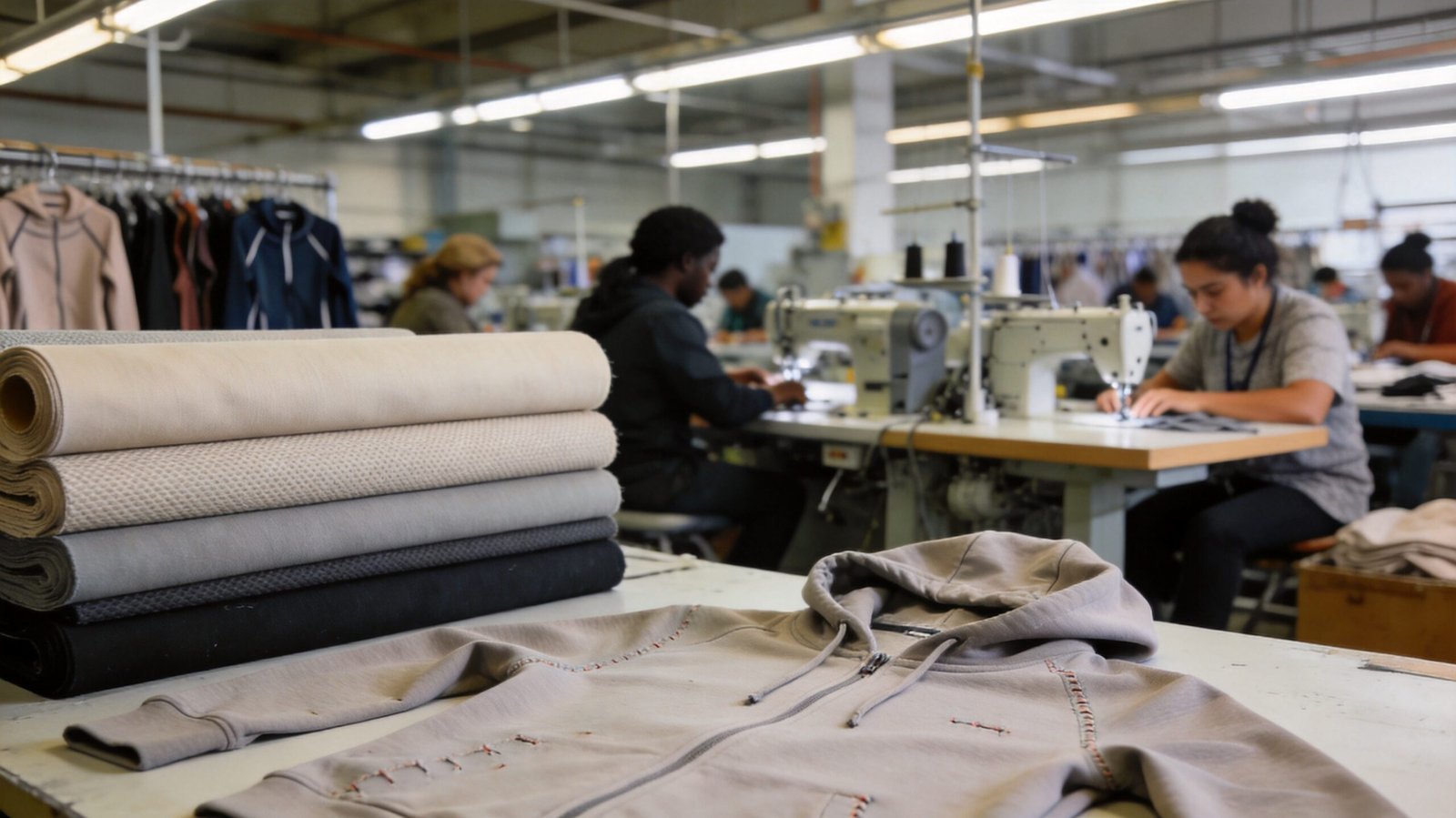
Not long ago, activewear was reserved strictly for gym sessions or weekend runs. Today, it’s a staple in wardrobes worldwide, worn to coffee shops, office meetings, and school drop-offs alike. This shift from niche to mainstream has set the stage for a landmark year: activewear will be the activewear fastest growing category 2026, outpacing traditional apparel segments like formal wear and casual everyday clothing. In this post, we’ll break down the projected market size, core growth drivers, high-potential niche segments, and key demand forecasts to help industry stakeholders prepare for this explosive growth.
Activewear Market Size 2026: Quantifying the Fastest Growing Category
Global and Regional Market Size Projections
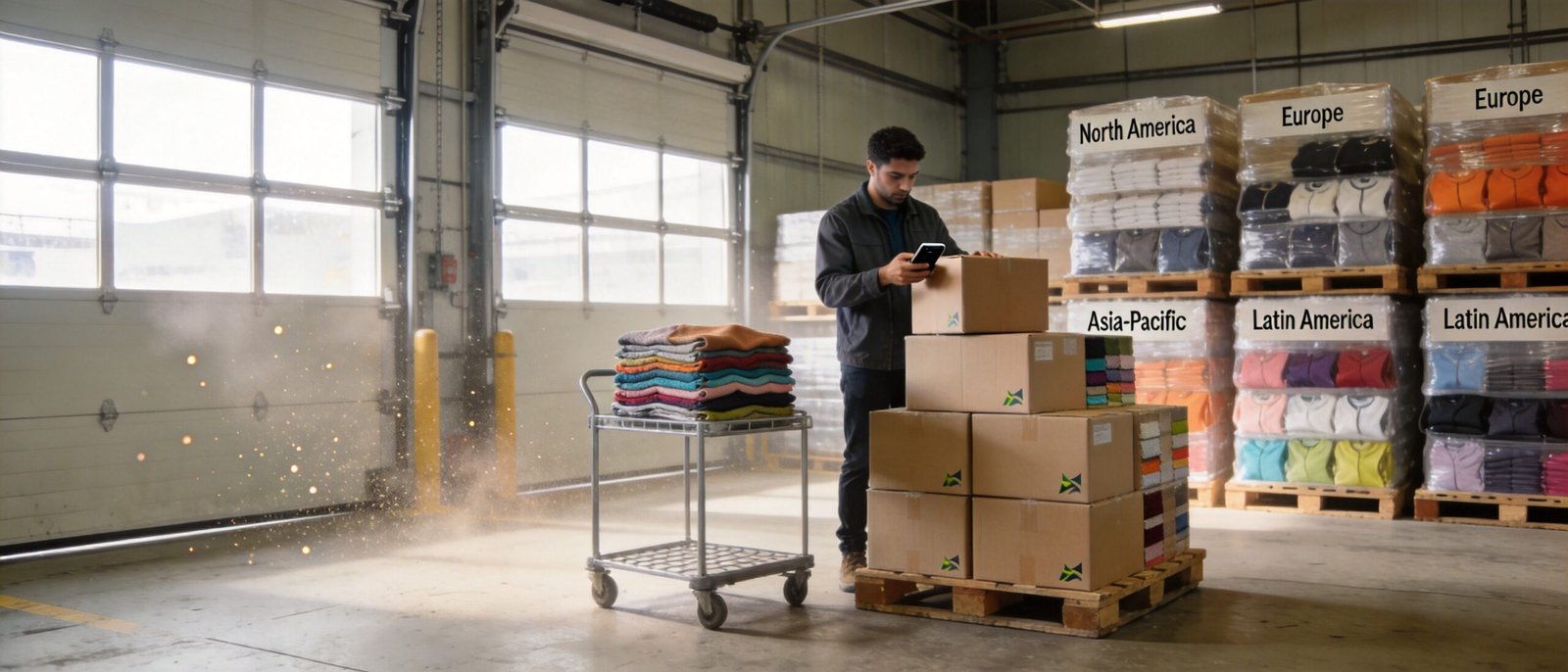
By 2026, the global activewear market will reach a valuation that reflects its transition from a fitness-focused product to a lifestyle essential. Regional growth will vary, with mature markets like North America and Europe driving demand through premium and specialized offerings, while emerging markets in Asia-Pacific and Latin America will see rapid expansion as disposable incomes rise and wellness awareness spreads. The activewear market size 2026 will be fueled not just by volume, but by higher average selling prices as consumers prioritize quality, sustainability, and functionality.
Year-Over-Year Growth Comparison to Other Apparel Categories
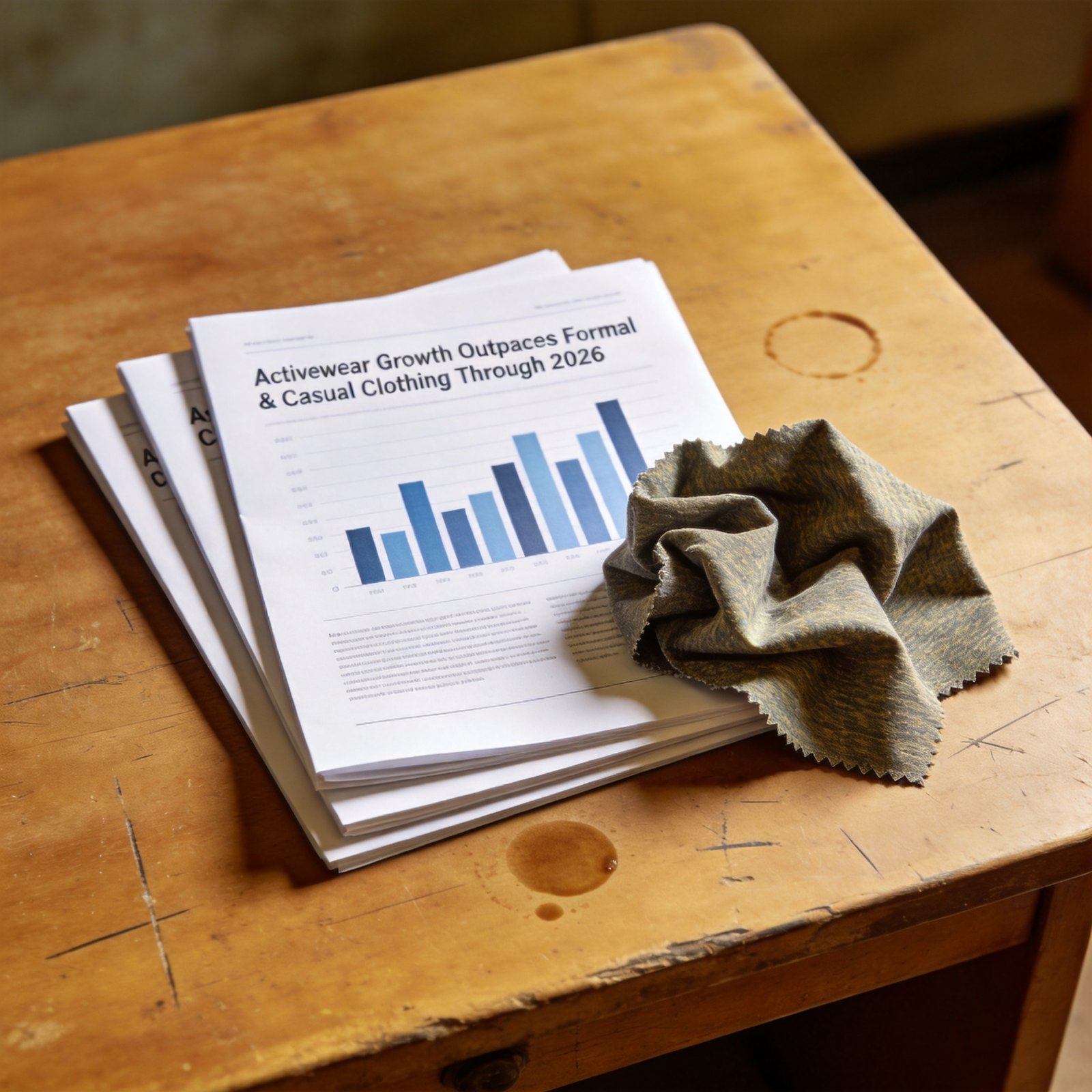
What makes activewear stand out as the activewear fastest growing category 2026 is its stark contrast to slower-growing apparel segments. Formal wear continues to decline as remote work and casual office policies become the norm, while basic casual clothing sees only modest growth. Activewear, by contrast, will double the growth rate of the overall apparel industry, driven by its versatility and alignment with evolving consumer values. This gap will widen as more consumers replace traditional casual pieces with activewear staples like leggings, moisture-wicking tops, and lightweight jackets.
2026 Activewear Growth Drivers: Fueling the Category’s Explosive Rise
Shifting Lifestyle Trends (Athleisure, Wellness Focus)
(click the link)
The biggest driver behind 2026 activewear growth drivers is the permanent shift toward wellness-centric lifestyles. Athleisure isn’t a passing trend—it’s a way of life for millions, who prioritize comfort without sacrificing style. Consumers are increasingly seeking clothing that transitions seamlessly from a morning yoga class to a work-from-home day, and activewear brands have answered with designs that blend performance features with fashion-forward aesthetics. Additionally, the growing focus on mental health has tied physical activity to overall well-being, boosting demand for clothing that supports both movement and self-expression.
Advancements in Tech-Integrated Activewear 2026
Innovation is another key fuel for growth, with tech-integrated activewear 2026 set to redefine the category. Brands are developing garments with built-in sensors that track heart rate, muscle engagement, and hydration levels, eliminating the need for separate fitness trackers. Other advancements include temperature-regulating fabrics that adapt to weather conditions, odor-resistant materials that reduce washing frequency, and sustainable tech like recycled performance fibers. These features not only enhance performance but also create a unique selling proposition that attracts tech-savvy consumers willing to pay a premium.
Expanding Accessibility and Inclusivity
Gone are the days when activewear was designed for a narrow body type or fitness level. Today, brands are prioritizing inclusivity, offering extended size ranges, adaptive designs for people with disabilities, and gender-neutral options. This focus on accessibility is unlocking new customer segments that were previously underserved, driving significant growth and fostering brand loyalty. Inclusivity isn’t just a moral imperative—it’s a smart business move that directly contributes to activewear’s status as the activewear fastest growing category 2026.
2026 Activewear Segment Outlook: High-Growth Niche Categories
Women’s Activewear 2026 Outlook: Leading the Charge
Women have long been the primary consumers of activewear, and the women’s activewear 2026 outlook shows this segment will continue to lead growth. Demand is being driven by a combination of style, functionality, and representation: brands are creating designs that cater to diverse body types, offer support for specific activities (like high-impact sports or post-pregnancy wear), and align with current fashion trends. Additionally, women are more likely to view activewear as a long-term investment, choosing durable, sustainable pieces that can be worn in multiple settings.
Plus-Size Activewear Growth 2026: Untapped Market Potential
One of the most exciting growth opportunities lies in the plus-size segment, where plus-size activewear growth 2026 is poised to outpace the overall category. For years, plus-size consumers struggled to find activewear that was both functional and stylish, but brands are now investing in dedicated lines that prioritize fit, support, and design. This shift is not just meeting unmet demand—it’s building trust and loyalty with a demographic that has been overlooked for too long. As more brands embrace size inclusivity, the plus-size activewear market will become a major contributor to the category’s overall growth.
Activewear Demand Forecast 2026: Key Considerations for Stakeholders
Consumer Behavior Shaping Demand
The activewear demand forecast 2026 is heavily influenced by evolving consumer priorities. Sustainability will remain a top concern, with consumers seeking brands that use recycled materials, ethical manufacturing practices, and transparent supply chains. Personalization will also play a role, as shoppers look for customizable options like monogramming or tailored fits. Additionally, convenience will drive demand for multi-functional pieces that can be worn in multiple settings, reducing the need for separate wardrobes for work, fitness, and leisure.
Implications for Manufacturers and Retailers
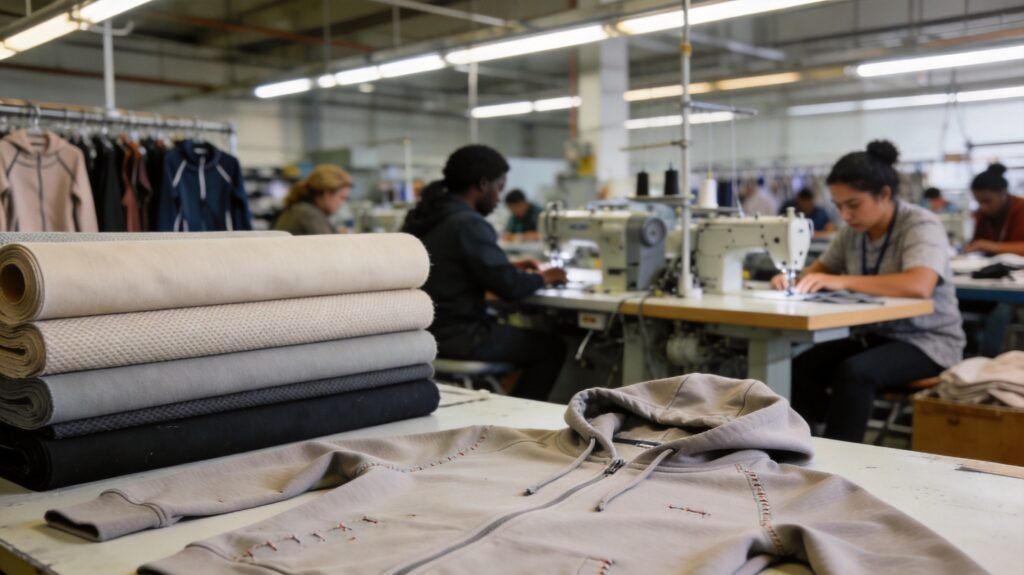
For manufacturers and retailers, the rise of activewear as the activewear fastest growing category 2026 presents both opportunities and challenges. Manufacturers will need to invest in new technologies and sustainable materials to keep up with consumer demand, while also optimizing supply chains to reduce lead times. Retailers, meanwhile, should focus on creating immersive shopping experiences—both online and in-store—that allow customers to test performance features and find the right fit. Omnichannel strategies, such as buy-online-pickup-in-store (BOPIS) and personalized recommendations, will be critical to capturing market share.
How to be a reliable clothing manufacturer?(click the link)
Conclusion
There’s no denying that activewear will be the activewear fastest growing category 2026, driven by shifting lifestyle trends, technological innovation, and a long-overdue focus on inclusivity. The activewear market size 2026 will reflect the category’s evolution from a fitness accessory to a lifestyle essential, with high-growth segments like women’s and plus-size activewear leading the charge. For industry stakeholders, the key to success will be aligning with consumer priorities—sustainability, functionality, and inclusivity—and adapting to the changing landscape of apparel retail.
This growth isn’t a short-term spike; it’s a permanent shift in how consumers view and use clothing. Whether you’re a manufacturer looking to expand your product line, a retailer aiming to capture market share, or an investor exploring new opportunities, now is the time to prioritize activewear. For more insights on navigating this booming category, explore our resources on sustainable activewear manufacturing and inclusive design strategies.
Whether you’re developing activewear, casual wear, or launching a new clothing collection, our team is here to help.
From fabric sourcing and sampling to bulk production, we provide flexible manufacturing solutions tailored to your brand.
👉 Contact us today to discuss your project (Click the link)