
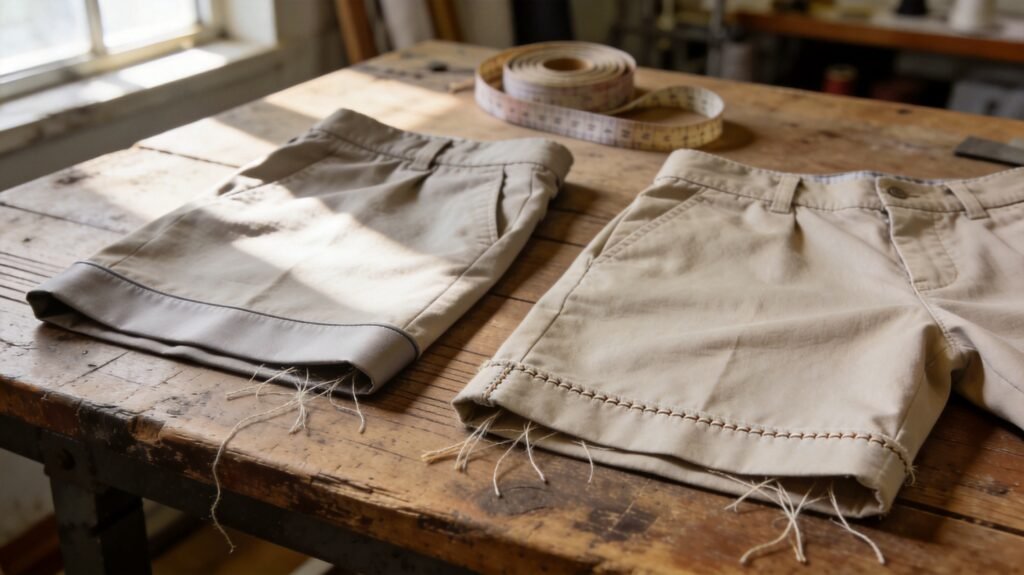
Bonded vs Non-Bonded Hem Men’s Shorts: Key Differences, Pros & Cons
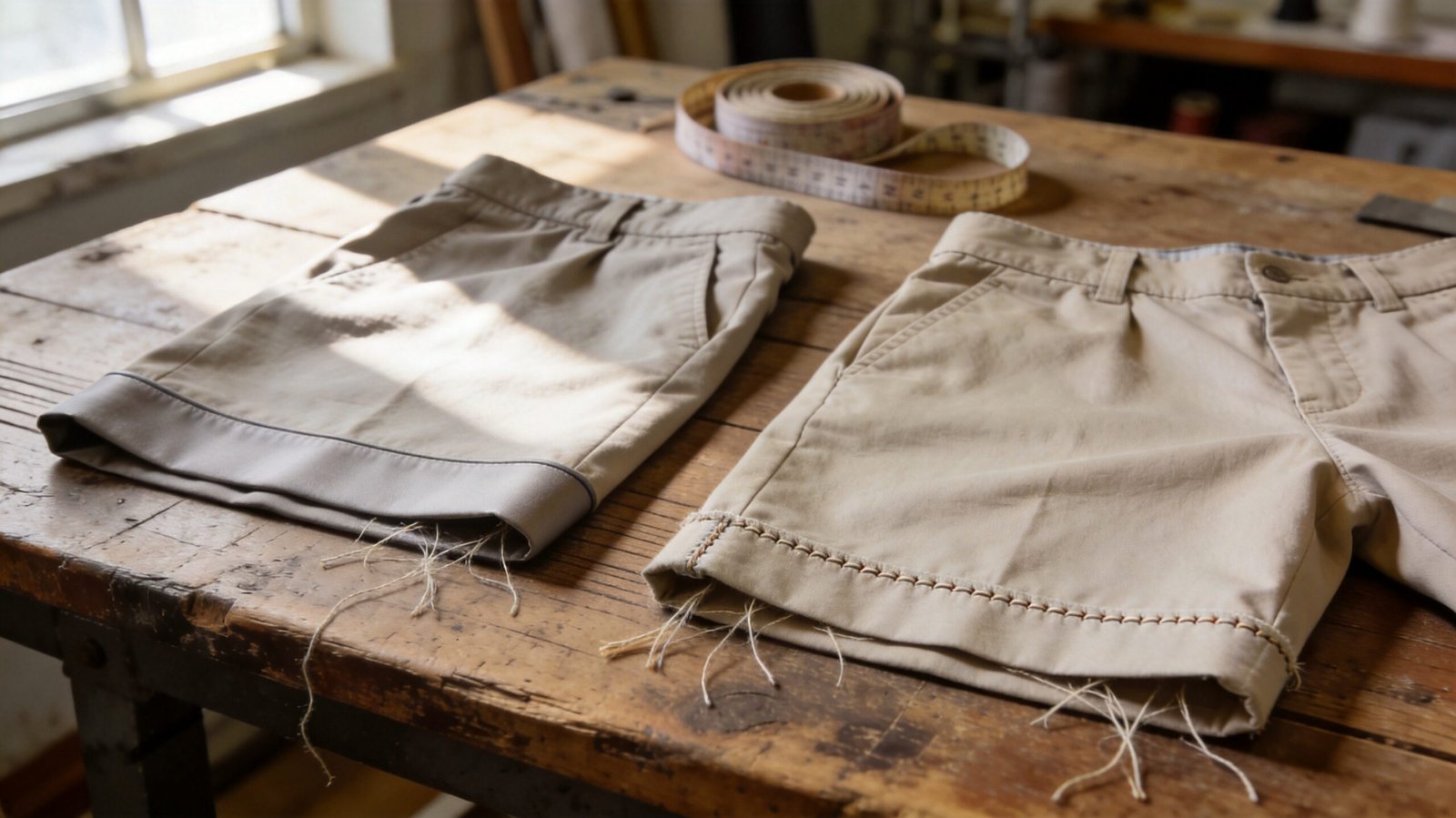
When shopping for men’s shorts, most of us focus on fit, fabric, or color—rarely stopping to consider the tiny detail that can make a big difference in comfort, durability, and style: the hem. If you’ve ever wondered why some shorts feel sleek and seamless while others have that classic, lived-in feel, the answer lies in bonded vs non-bonded hem men’s shorts. In this guide, we’ll break down their core differences, weigh their pros and cons, and cover everything from durability and care to styling, so you can pick the perfect pair for your needs.
What Are Bonded vs Non-Bonded Hems for Men’s Shorts?
Before diving into comparisons, let’s clarify exactly what each hem type entails. This foundational knowledge will help you spot the difference next time you’re browsing racks or scrolling online.
Defining Bonded Hem Men’s Shorts
Bonded hems use a heat-activated adhesive or ultrasonic technology to fuse the fabric’s edge to itself, rather than stitching it down. The result is a flat, seamless finish with no visible stitches or bulky seams. This construction is common in performance wear and modern, minimalist designs, as it eliminates friction points and creates a clean, streamlined look. Bonded hems are often found on technical shorts for running, hiking, or golf, where a smooth fit is key to avoiding chafing.
Defining Non-Bonded Hem Men’s Shorts
Non-bonded hems are the traditional style we’ve known for decades: they use thread and stitching to fold and secure the fabric’s edge. This can include simple single-stitched hems, double-stitched reinforcement, or even rolled cuffs for a casual vibe. The stitching creates a visible, textured edge that adds character to the shorts. Non-bonded hems are the standard in most casual, everyday shorts, from denim cutoffs to chinos.
Bonded Hem Men’s Shorts Pros vs Non-Bonded Hem Shorts Benefits
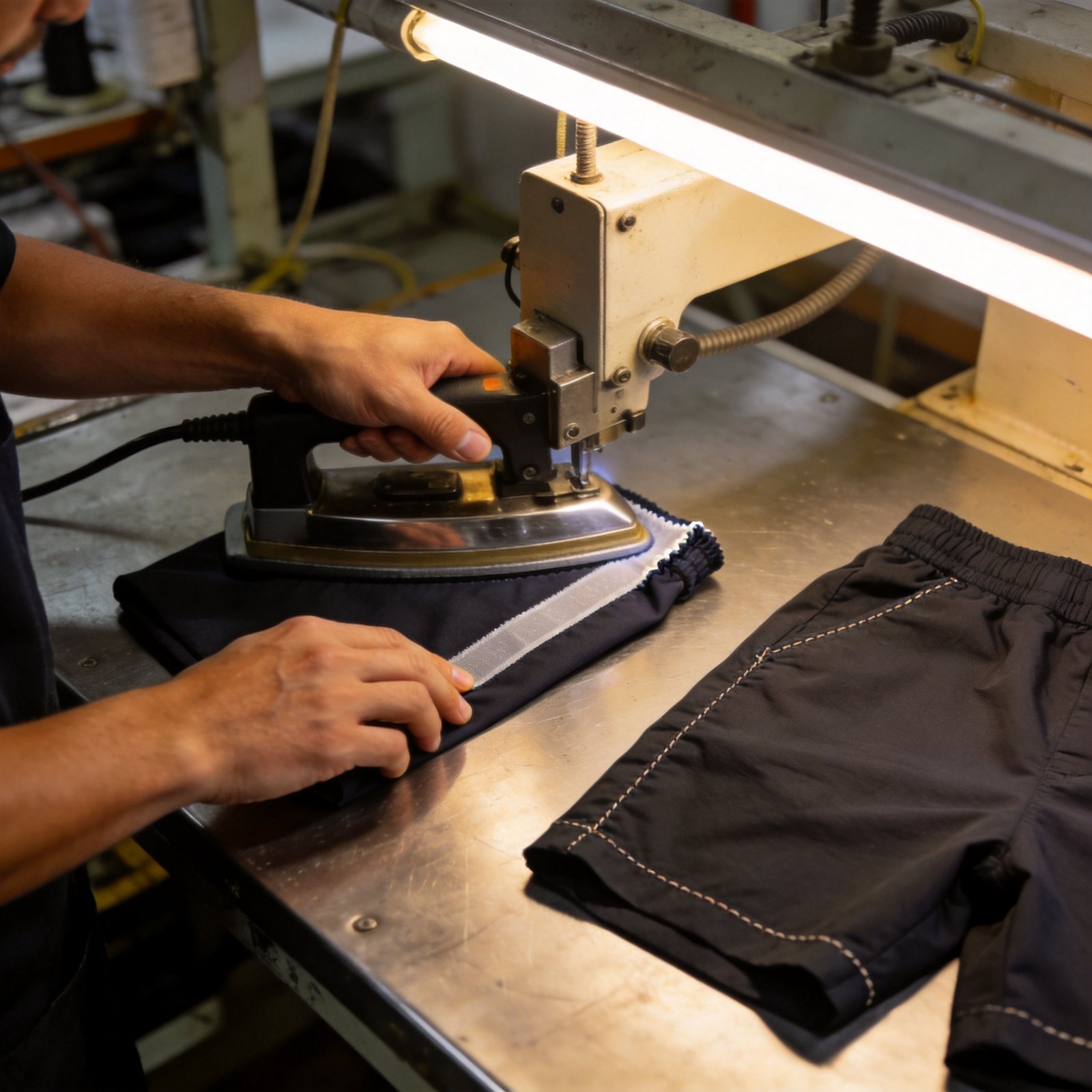
Now that you know what each hem type is, let’s compare their key strengths and weaknesses, starting with two of the most important factors for shoppers: durability and comfort.
Durability & Longevity: Bonded vs Non-Bonded Shorts Durability
When it comes to bonded vs non-bonded shorts durability, the answer depends on how you plan to use them. Bonded hems excel in high-friction scenarios: since there are no stitches to snag or fray, they hold up well against repeated movement, like running or bending. However, the adhesive can degrade over time with exposure to high heat (like frequent dryer use) or harsh detergents, which can cause the hem to peel away.
Non-bonded hems, on the other hand, rely on stitching that can fray or come loose if the thread is low-quality or the shorts are subjected to rough wear. That said, a well-constructed double-stitched non-bonded hem can last for years, and if a stitch does break, it’s easy to repair with a quick trip to a tailor or even a DIY sewing kit. For everyday wear and tear, non-bonded hems often offer more long-term reliability, especially with proper care.
Comfort & Fit: Non-Bonded Hem Shorts Comfort vs Bonded Hem Feel
Comfort is where non-bonded hem shorts comfort really shines. The stitched edge is flexible and moves with your body, and the slight texture of the stitching rarely causes irritation, even during all-day wear. Rolled non-bonded hems add extra breathability, making them ideal for hot summer days or casual outings.
Bonded hems, while seamless, can feel stiff or rigid when new, especially if the adhesive is thick. Over time, they may soften, but some wearers report that the fused edge can feel restrictive during intense activity, or that it irritates sensitive skin if the adhesive starts to lift. That said, for those who hate the bulk of traditional seams, bonded hems offer a smooth, chafe-free fit that’s hard to beat for performance activities.
The performance of bonded and non-bonded hems is closely related to fabric structure, especially in 4-way stretch woven fabrics used for men’s shorts.
Care & Maintenance: Men’s Bonded Hem Shorts Care vs Non-Bonded
Proper care is key to extending the life of any pair of shorts, but bonded and non-bonded hems have different needs. Let’s break down the best practices for each.
Tips for Cleaning Bonded Hem Men’s Shorts
Men’s bonded hem shorts care requires a gentle touch to protect the adhesive. First, always check the care label, but in general, avoid high-heat dryers—air drying is best to prevent the adhesive from melting or peeling. Use mild, fragrance-free detergents, as harsh chemicals can break down the bond over time. If you must machine wash, use a cold water cycle and turn the shorts inside out to minimize friction. Avoid ironing directly on the bonded hem; if you need to smooth out wrinkles, use a low-heat setting with a cloth between the iron and fabric.
Care Best Practices for Non-Bonded Hem Shorts
Non-bonded hem shorts are more forgiving when it comes to care, but there are still steps to keep them looking their best. To prevent fraying, wash them inside out and avoid overloading the washing machine, which can cause excessive rubbing. For stitched hems, occasional trimming of loose threads (instead of pulling them) will keep the edge neat. Most non-bonded shorts can be dried on a medium heat setting, but air drying will help preserve the fabric’s color and shape longer. If you iron, you can press directly on the stitched hem to keep it crisp, especially for dressier chino shorts.
Styling Men’s Shorts: Bonded vs Non-Bonded Hem Looks
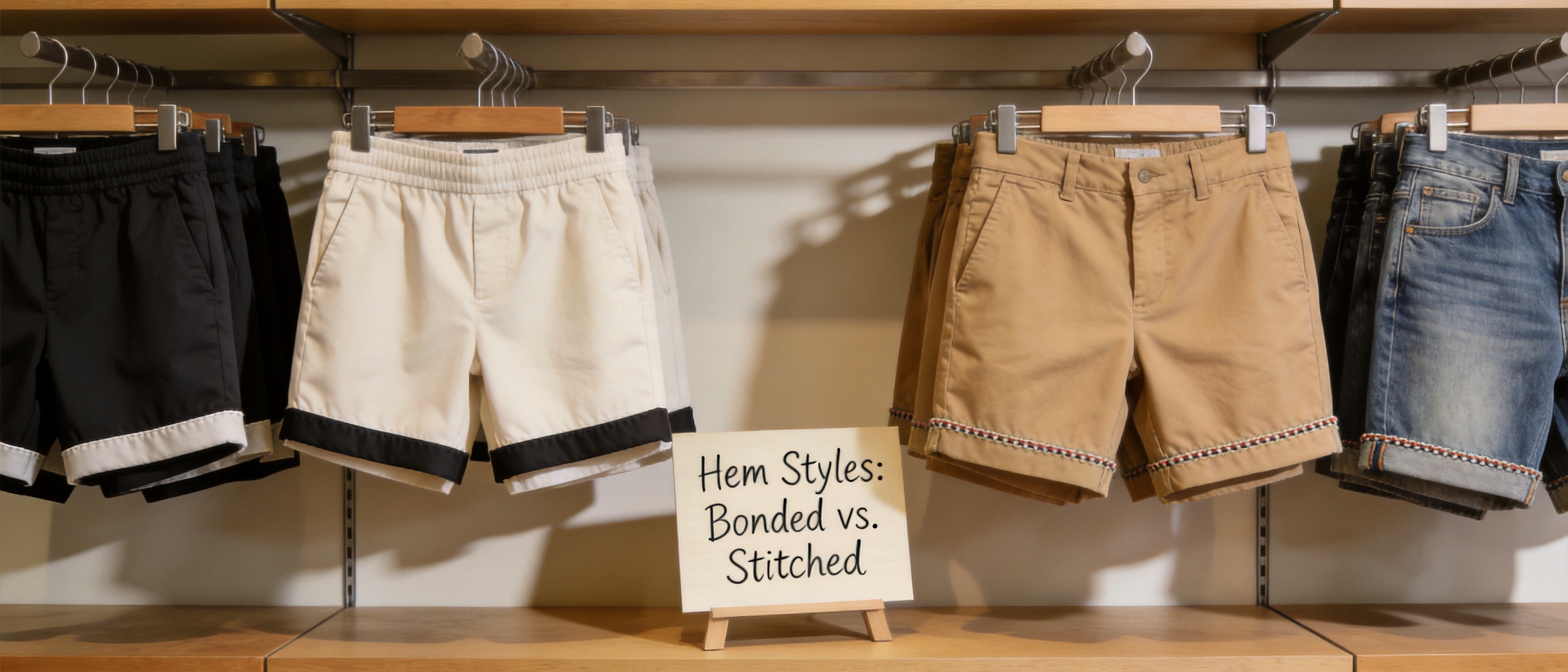
The hem type also plays a big role in how you can style your shorts. Let’s explore the best ways to rock each for different occasions.
Non-Bonded Hem Shorts Styling for Casual & Formal Settings
Non-bonded hem shorts styling offers unmatched versatility. For a laid-back weekend look, pair rolled-cuff non-bonded denim shorts with a graphic tee and white sneakers. For a slightly dressier occasion, like a backyard wedding or brunch, opt for tailored chino shorts with a crisp double-stitched hem, paired with a button-down shirt and leather loafers. The visible stitching adds a subtle, classic detail that works with both casual and polished outfits, making non-bonded shorts a staple in any men’s wardrobe.
Bonded Hem Shorts Styling for Sleek, Modern Outfits
Bonded hem shorts are made for a sleek, modern aesthetic. Their seamless edge pairs perfectly with minimalist tops, like a fitted performance tee or a crisp polo, for a clean, put-together look that’s great for golf, running errands, or a casual office environment (if dress codes allow). Stick to neutral colors like black, gray, or navy to emphasize the streamlined silhouette, and pair with minimalist sneakers or loafers. Bonded hems also work well with technical fabrics, making them a go-to for activewear that doesn’t sacrifice style.
Conclusion
When it comes to bonded vs non-bonded hem men’s shorts, there’s no one-size-fits-all answer—your choice depends on your lifestyle, priorities, and style preferences. Bonded hems offer a sleek, chafe-free fit and excellent durability for high-activity use, though they require gentle care to preserve the adhesive. Non-bonded hems, meanwhile, provide superior comfort, easy repairability, and unmatched versatility for everything from casual weekends to dressier occasions.
If you’re an active guy who values performance and a modern look, bonded hem shorts are a solid pick. If you prioritize all-day comfort, easy care, and styling flexibility, non-bonded hem shorts will be your new go-to. Whichever you choose, paying attention to this small but important detail will ensure you get the most out of your shorts for years to come.
Need a Reliable Clothing Manufacturing Partner?
👉 Contact us today to discuss your project (Click the link)