Modal Fabrics Care Instructions: Complete Guide to Washing, Drying, and Stain Removal
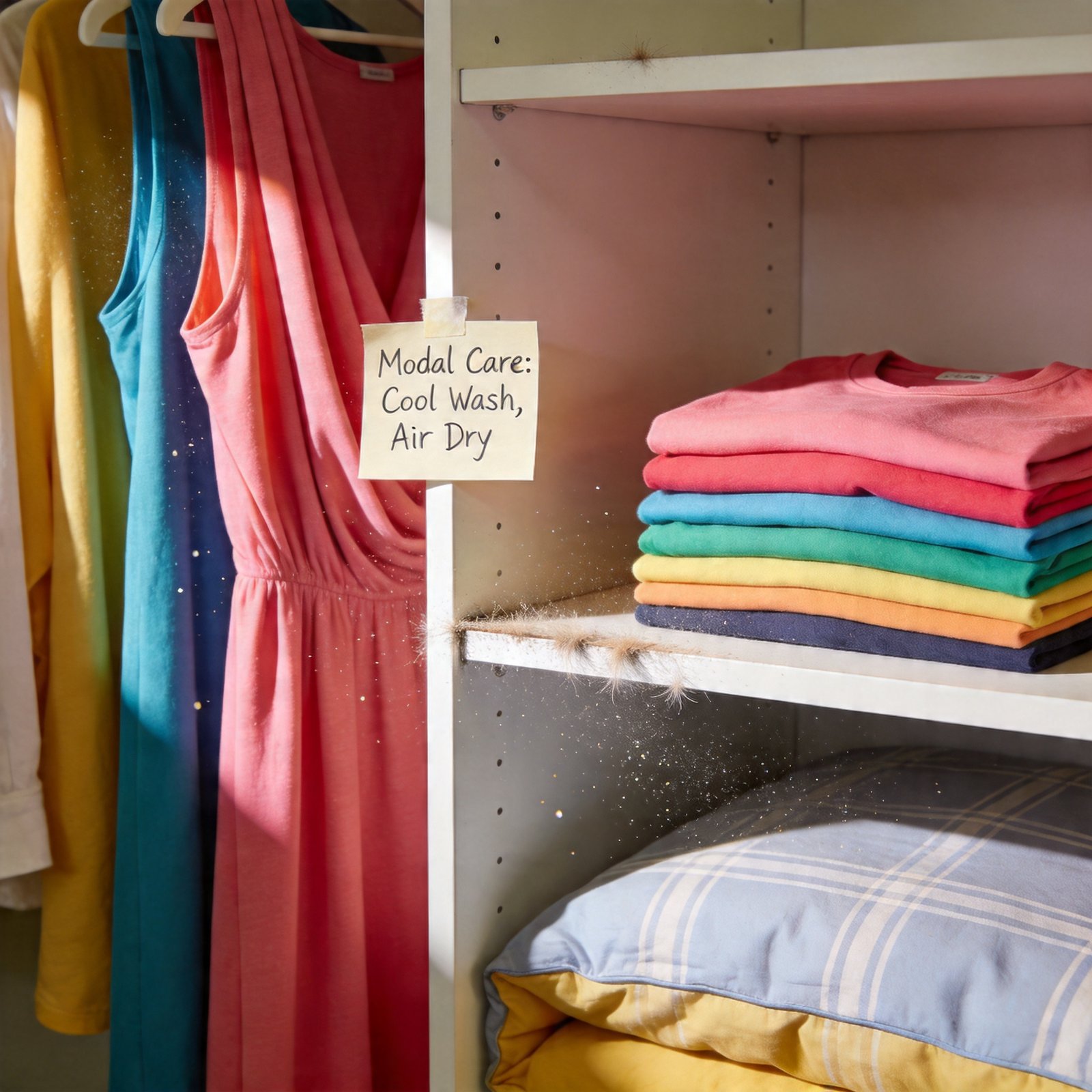
Modal fabric has become a staple in modern clothing thanks to its luxuriously soft feel, exceptional breathability, and ability to drape beautifully—making it ideal for loungewear, dresses, t-shirts, and even bedding. But its delicate nature means that without proper care, you risk losing those coveted qualities: shrinkage, fading, and pilling can quickly turn your favorite modal garment into a disappointment. That’s why following reliable modal fabrics care instructions is key to preserving its texture, shape, and color over time. In this guide, we’ll cover wash modal fabric tips, how to dry modal fabric properly, targeted modal fabric stain removal, ironing best practices, and modal fabric shrink prevention. By the end, you’ll have actionable, professional advice to keep your modal items looking like new.
Wash Modal Fabric Tips: Best Practices to Avoid Damage
Washing is where many modal care mistakes happen, but with the right approach, you can keep your fabric intact. These wash modal fabric tips will help you avoid common pitfalls like stretching or shrinkage.
Machine vs. Hand Washing: Which is Better for Modal?
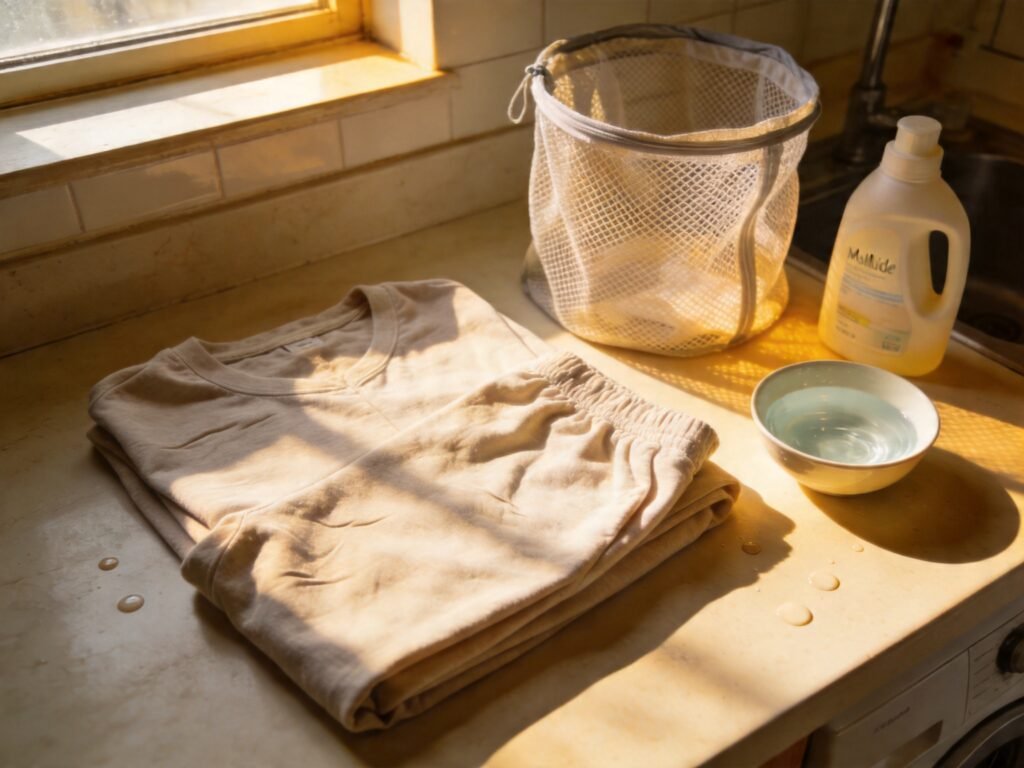
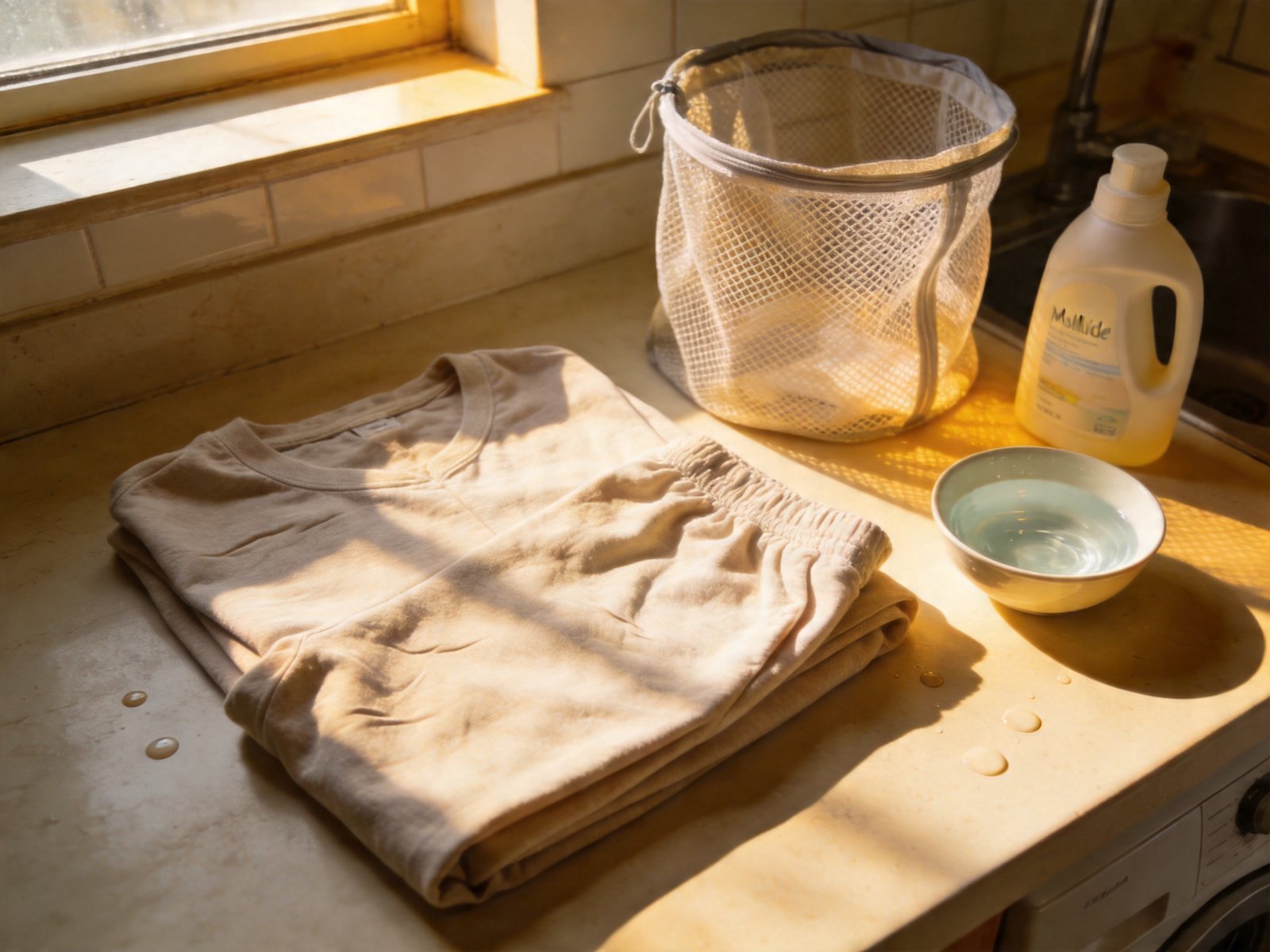
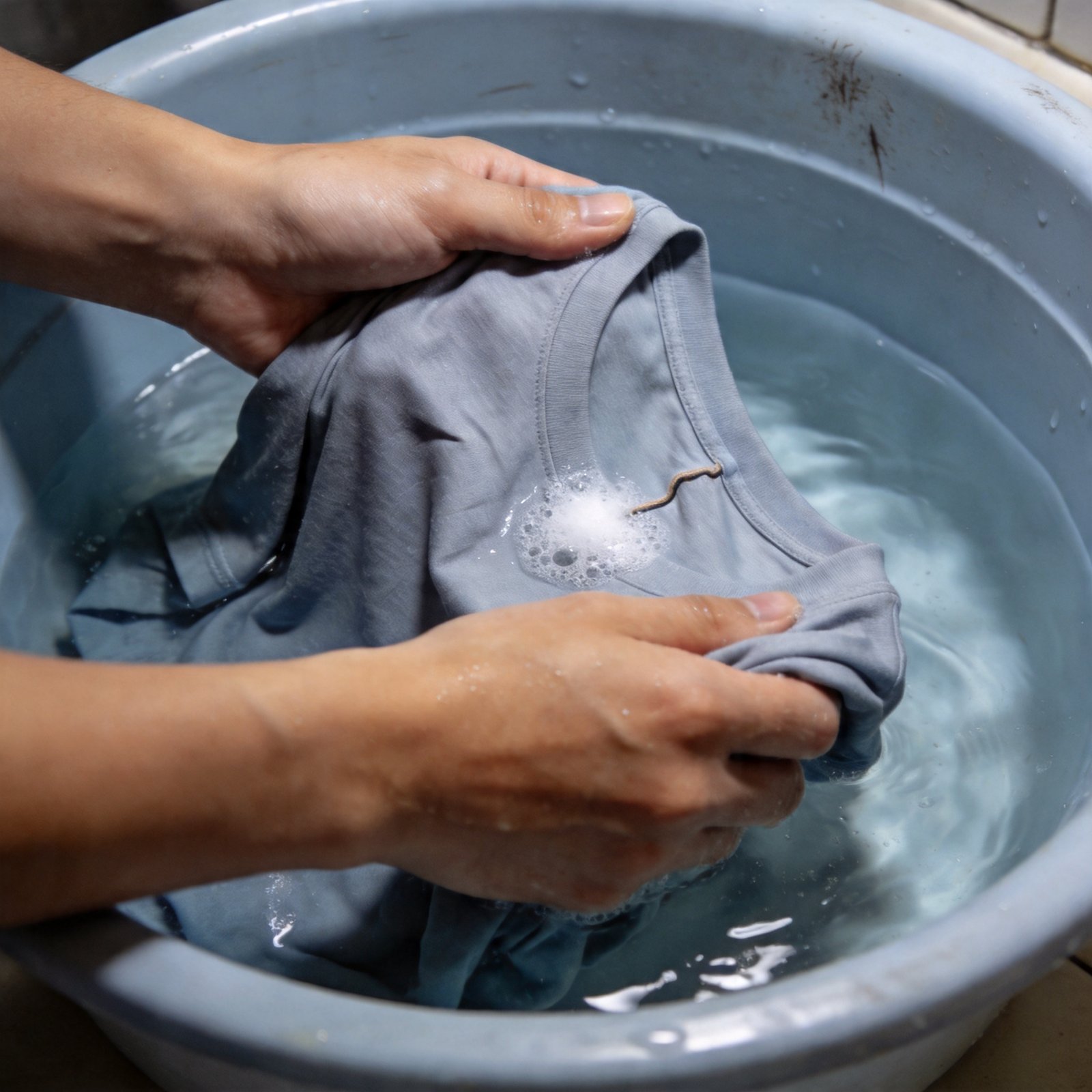
Modal is durable enough for machine washing, but hand washing is the gentler option, especially for delicate items like lace-trimmed modal camisoles or thin t-shirts. If you choose machine washing, always place modal garments in a mesh laundry bag to protect them from snagging on zippers or other clothing. Hand washing involves soaking items in cool water with a mild detergent for 10–15 minutes, then gently squeezing (never wringing) to remove excess water. For everyday modal pieces like casual t-shirts, machine washing is acceptable as long as you follow the right settings.
Water Temperature, Detergent, and Cycle Settings for Modal
The golden rule for washing modal is to stick to cool or lukewarm water—hot water is a major culprit for shrinkage and color fading. Use a mild, pH-neutral detergent; avoid harsh bleach, fabric softeners, or enzyme-based detergents, as these can break down modal’s fibers and strip its softness. For machine washing, select the delicate or gentle cycle, and skip the spin cycle if possible, or use the lowest spin speed to prevent stretching. Always wash modal items inside out to protect the fabric’s surface from pilling and fading.
Modal Fabric Shrink Prevention: Pre-Wash and Wash Cycle Tips
Modal fabric shrink prevention starts before you even wash your garment. If you’re washing a new modal item for the first time, soak it in cool water for 30 minutes before starting the wash cycle—this pre-treats the fibers and reduces the risk of post-wash shrinkage. Avoid overloading your washing machine; crowded machines can cause modal items to twist, stretch, or rub against other fabrics, leading to damage. Finally, never mix modal with heavy items like jeans or towels, as their rough texture can cause pilling.
Dry Modal Fabric Properly: Protect Softness and Shape
How you dry modal is just as important as how you wash it. Learning to dry modal fabric properly ensures you maintain its soft drape and prevent unwanted shrinkage.
Air-Drying vs. Machine-Drying Modal Fabric
Air-drying is the best choice for modal fabric, as it minimizes stress on the fibers. Lay flat items like sweaters or dresses on a clean, dry towel to preserve their shape, or hang lightweight pieces like t-shirts on a padded hanger to avoid shoulder bumps. If you must use a dryer, select the lowest heat setting (or air-fluff mode) and remove the garment while it’s still slightly damp. Over-drying in high heat is one of the fastest ways to shrink modal and make it feel stiff.
Tips to Prevent Shrinkage and Fading During Drying
To further prevent shrinkage, avoid wringing modal garments after washing—instead, gently press out excess water with a towel. When air-drying, keep items out of direct sunlight, as UV rays can fade modal’s vibrant colors. If using a dryer, add a few dryer balls to help circulate air and reduce wrinkling, but avoid fabric softener sheets, which can leave a residue that dulls the fabric’s softness. Always check the care label for specific drying instructions, as some blended modal fabrics (like modal-cotton mixes) may have slightly different requirements.
Modal Fabric Stain Removal: Safe, Effective Techniques
Modal fabric is prone to absorbing stains, but with quick action and gentle treatment, you can remove most marks without damaging the fabric. Modal fabric stain removal requires patience and the right products to avoid discoloration.
Treating Common Stains (Oil, Wine, Sweat) on Modal
For oil-based stains (like food grease or lotion), blot the area with a clean cloth to absorb excess oil, then sprinkle a small amount of baking soda on the stain and let it sit for 15 minutes. Brush off the baking soda, then dab the area with a mixture of cool water and mild detergent. For wine stains, flush the area with cool water immediately, then apply a small amount of white vinegar (diluted with water) and blot until the stain fades. Sweat stains can be treated by soaking the area in a mixture of cool water and a gentle detergent for 30 minutes before washing as usual. Always test any stain treatment on an inconspicuous area first to ensure it doesn’t discolor the fabric.
Avoiding Harsh Chemicals That Damage Modal Fabric
Never use bleach, ammonia, or strong stain removers on modal fabric—these can break down the fibers, cause discoloration, or leave the fabric feeling rough. Even color-safe bleach should be avoided, as it can still weaken modal’s structure. Stick to mild, natural cleaners like baking soda, white vinegar, or pH-neutral detergents. For tough stains, consider taking the garment to a professional dry cleaner who specializes in delicate fabrics.
Iron Modal Fabric Guide: Achieve a Wrinkle-Free Finish
Modal fabric can wrinkle easily, but with the right approach, you can iron it safely without damaging its softness. This iron modal fabric guide will help you get a smooth, wrinkle-free finish.
Temperature Settings and Ironing Methods for Modal
Set your iron to the lowest heat setting (usually labeled “synthetic” or “low”)—high heat can melt or scorch modal fibers. Always iron modal garments inside out, and use a pressing cloth (a thin cotton towel or piece of muslin) between the iron and the fabric to create a protective barrier. For stubborn wrinkles, lightly mist the fabric with cool water before ironing, but avoid saturating it. Use gentle, pressing motions instead of sliding the iron back and forth, which can stretch the fabric out of shape.
Tips to Avoid Shining or Burning Modal Fabric
Never iron modal fabric when it’s completely dry—slight dampness helps relax wrinkles without causing damage. If you notice a shiny spot forming while ironing, stop immediately and move to a cooler setting. Avoid ironing over embellishments like buttons or sequins, as these can transfer heat to the fabric and cause burns. For items with delicate details, consider using a steamer instead of an iron, as steam is gentler and less likely to cause damage.
Modal Fabric Care FAQs: Answers to Common Questions
Can modal fabric be dry cleaned?
Most pure modal fabrics can be dry cleaned, but always check the care label first. Blended modal fabrics may have different requirements. Dry cleaning is a good option for delicate or structured modal garments that you don’t want to risk washing at home.
Does modal fabric pill?
Modal can pill, especially if it’s washed with rough fabrics or dried on high heat. To minimize pilling, wash modal inside out, avoid overloading the washing machine, and air-dry when possible. You can also use a fabric shaver to remove small pills once they form.
How often should I wash modal garments?
Modal fabric is breathable and resists odors, so you don’t need to wash it after every wear. For everyday items like t-shirts, wash after 2–3 wears; for loungewear or dresses, wash after 3–4 wears, depending on use.
Conclusion
Following these modal fabrics care instructions is the key to keeping your favorite modal garments soft, vibrant, and well-shaped for years to come. Remember to stick to gentle washing with cool water, dry modal fabric properly by air-drying or using low heat, use targeted modal fabric stain removal techniques with mild cleaners, iron on low heat with a pressing cloth, and prioritize modal fabric shrink prevention by avoiding hot water and over-drying. Consistent, careful care will extend the lifespan of your modal items and preserve their luxurious feel. If you found this guide helpful, share it with fellow fabric enthusiasts, and explore our other resources for more professional fabric care tips.
👉 Fabric performance and durability are closely linked to manufacturing quality control, especially for brands producing modal-based garments.
How to Choose a Full Service Clothing Manufacturer