
Activewear Trends 2026: What New Brands Need to Succeed in the Evolving Market
The global activewear market is on track to surpass $500 billion by 2026, driven by consumers who now demand clothing that works as hard for their daily lives as it does for their workouts. For new brands, this explosive growth comes with a catch: standing out in a crowded space requires more than just stylish leggings or moisture-wicking tops. To thrive, emerging players must align with the shifts shaping consumer behavior—and that means leaning into high-impact areas like sustainable activewear 2026, tech-integrated activewear 2026, and inclusive activewear 2026 trends. In this guide, we break down activewear trends 2026:what new brands need to know, with actionable insights to turn these trends into market traction.
2026 Activewear Fabric Trends & Non-Negotiable Must-Haves
Eco-Conscious, Performance-Driven Fabric Innovations
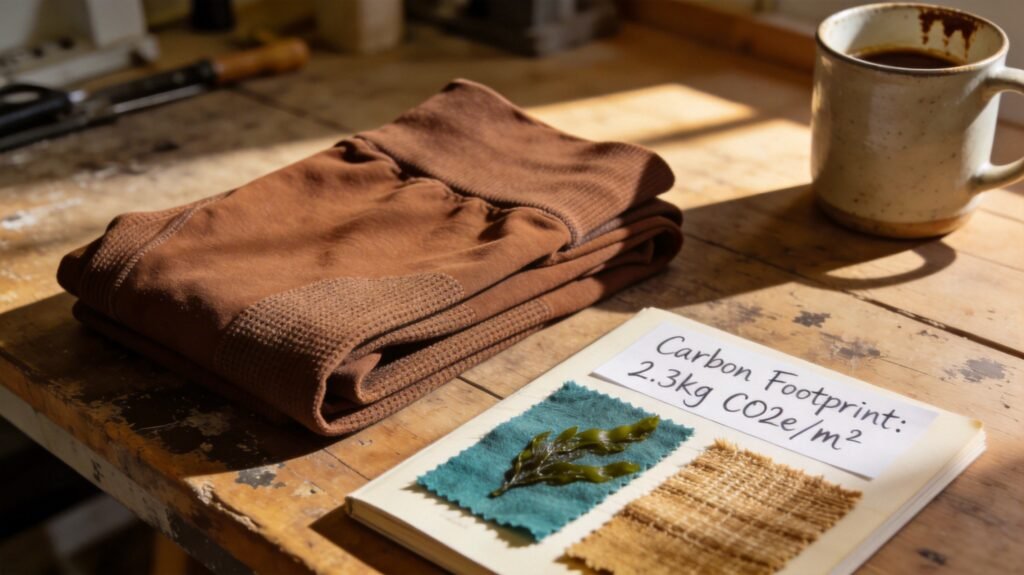
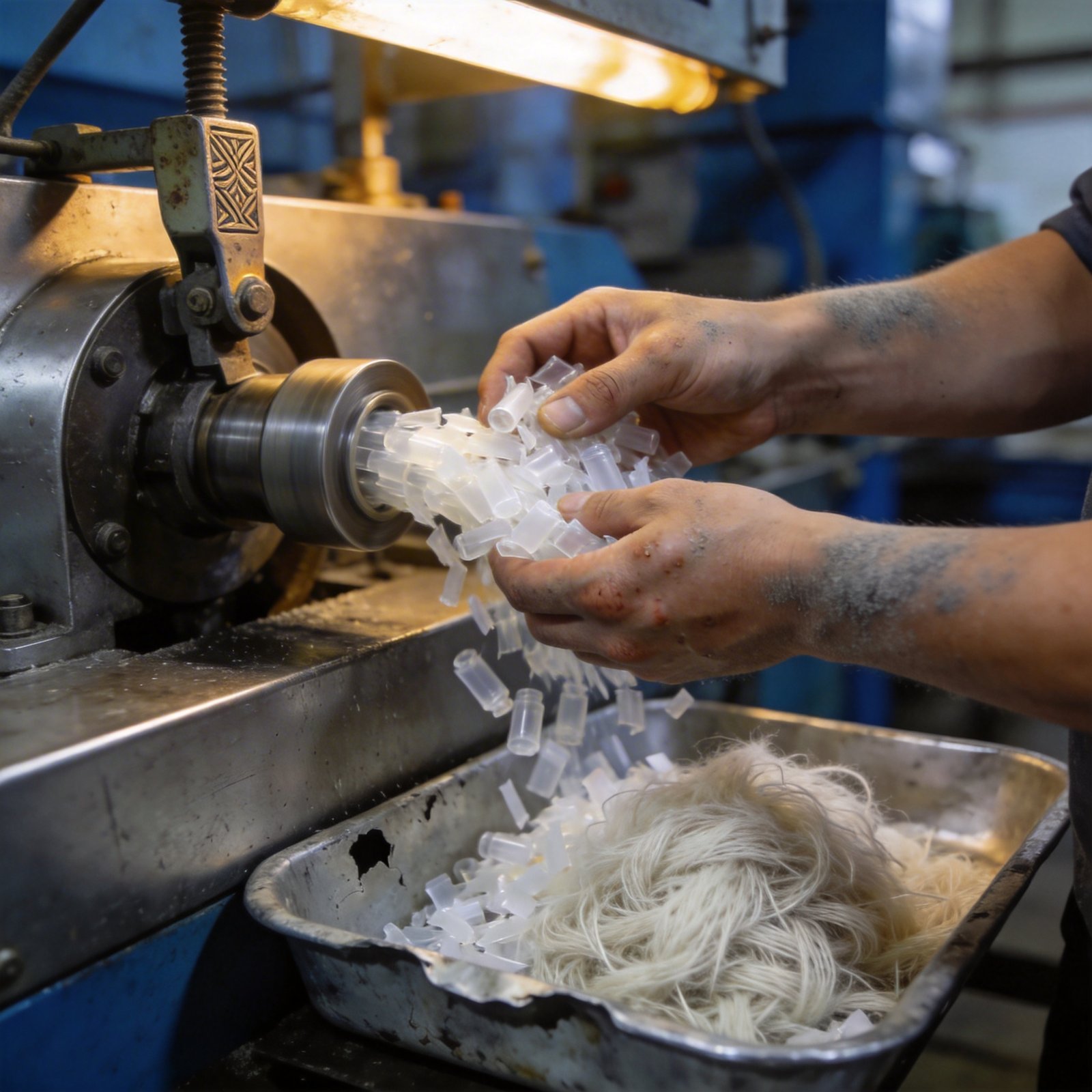
2026 activewear fabric trends are all about ditching the trade-off between sustainability and performance. Gone are the days when eco-friendly fabrics meant sacrificing stretch, breathability, or durability. Instead, brands are turning to closed-loop systems that recycle post-consumer waste—think plastic bottles transformed into buttery-soft leggings, or coffee grounds woven into UV-protective running tops—without compromising on movement or moisture management.
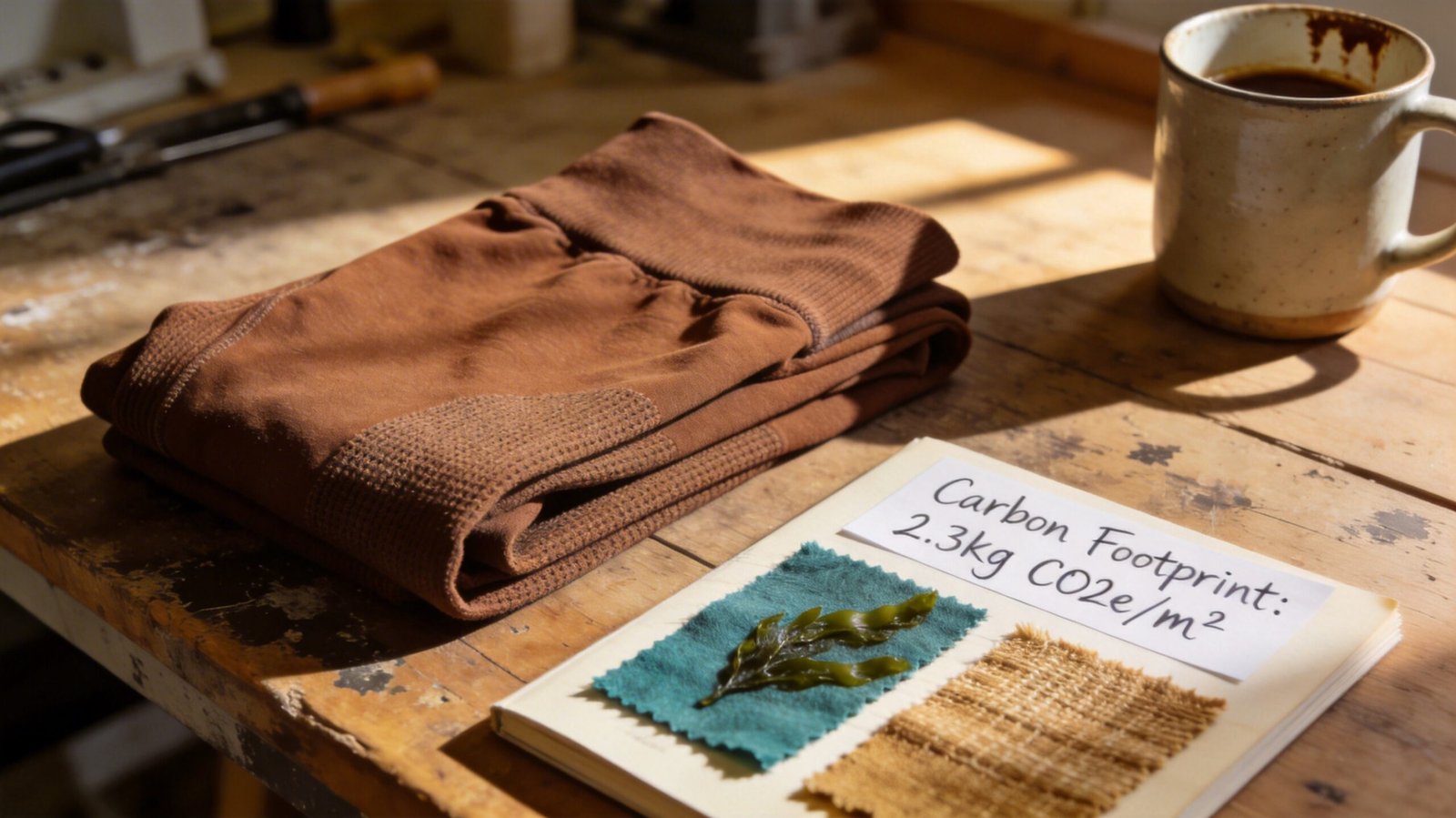
What sets 2026 apart is the rise of bio-based fabrics that mimic synthetic performance. For example, mycelium-based knits offer the same compression as spandex but are fully compostable, while seaweed-infused fabrics naturally regulate body temperature and reduce odor. For new brands, the key is to prioritize transparency: consumers won’t just take your word for sustainability—they’ll expect clear labeling that details a fabric’s origin, recyclability, and carbon footprint.
➡️Amazing 3 Sustainable Fabrics for Sportswear and Activewear
Functional Add-Ons That Define 2026 Activewear Must-Haves
Beyond fabrics, 2026 activewear must-haves are defined by small, intentional functional details that solve real consumer pain points. Think hidden, sweat-resistant phone pockets with magnetic closures (no more fumbling with zippers mid-run), or built-in, removable bra pads that adapt to different activities. Sun protection is also non-negotiable: UPF 50+ fabric is no longer a niche feature but a standard for outdoor-focused pieces.
Another must-have is adaptive design elements that cater to all movement types, like reinforced seams for high-intensity training or stretch panels that accommodate post-pregnancy bodies. For new brands, these details aren’t just nice-to-haves—they’re a way to signal that you understand your customers’ daily struggles, whether they’re squeezing in a gym session before work or chasing kids at the park.
Sustainable & Inclusive Activewear 2026 Trends: Non-Negotiable Brand Pillars
Circularity and Transparency: The Future of Sustainable Activewear 2026
Sustainable activewear 2026 isn’t just about using eco-friendly fabrics—it’s about building a circular business model that eliminates waste entirely. Consumers are no longer satisfied with “recyclable” claims; they want brands that take responsibility for their products from cradle to grave. That means offering take-back programs where customers can send in old gear to be recycled into new pieces, or using blockchain technology to track a garment’s journey from factory to closet.
For new brands, starting small is key. Even a simple repair program (offering free mending for seams or zippers) can go a long way in building trust. The goal is to position sustainability as a core value, not a marketing buzzword—something that resonates with consumers who are willing to pay more for brands that align with their ethical beliefs.
Size, Gender, and Ability: Inclusive Activewear 2026 Trends to Prioritize
Inclusive activewear 2026 trends are moving beyond token size expansions to truly universal design. Consumers are demanding clothing that fits and flatters all body types, from size XS to 6XL, with thoughtful details like higher waistbands for curvier bodies or shorter inseams for petite frames. Gender inclusivity is also front and center: unisex lines that avoid stereotypical “male” or “female” cuts, and pieces that accommodate gender-affirming needs, like compression tops with built-in chest binders.
But inclusivity doesn’t stop at size and gender. 2026 will see a surge in adaptive activewear designed for people with disabilities, like magnetic closures for those with limited dexterity, or moisture-wicking fabrics that accommodate medical devices. For new brands, the key is to involve diverse voices in the design process—from customer focus groups to disabled athletes—rather than guessing what your audience needs.
Tech-Integrated Activewear 2026: Differentiators for New Brands
Wearable Tech That Blends Seamlessly with Design
Tech-integrated activewear 2026 is all about subtlety. Gone are the bulky fitness trackers and wired sensors; instead, technology is woven directly into the fabric. Think leggings with built-in muscle stimulation panels that help with recovery post-workout, or sports bras with heart rate monitors that sync to your phone via Bluetooth—no separate device required.
The biggest opportunity for new brands is to focus on tech that solves specific problems, not just tracks metrics. For example, running shirts with built-in GPS that eliminates the need to carry a phone, or yoga pants with pressure-sensitive fabric that gives real-time feedback on your form via a mobile app. The key is to ensure tech doesn’t overshadow design: consumers want clothing that looks good enough to wear to coffee after a workout, not just in the gym.
Data-Driven Features for Personalized Performance
Beyond wearable tech, 2026 activewear is leveraging data to create personalized experiences. Some brands are offering custom-fit programs where customers input their measurements and activity type, and the brand uses AI to design a garment tailored to their body and needs. Others are using customer data to refine their lines—for example, if 70% of your customers wear your leggings for hiking, you might add reinforced knee pads or water-resistant fabric to your next collection.
For new brands, data doesn’t have to be complicated. Start by surveying your early customers to understand how they use your products, then use that feedback to iterate. The goal is to create a loop where your products evolve with your customers, rather than pushing a one-size-fits-all approach.
➡️Develop Summer Clothing Collections: From Activewear to Plus-Size & Resort Wear – Expert Guidance
2026 Activewear Brand Tips: Turning Trends into Market Traction
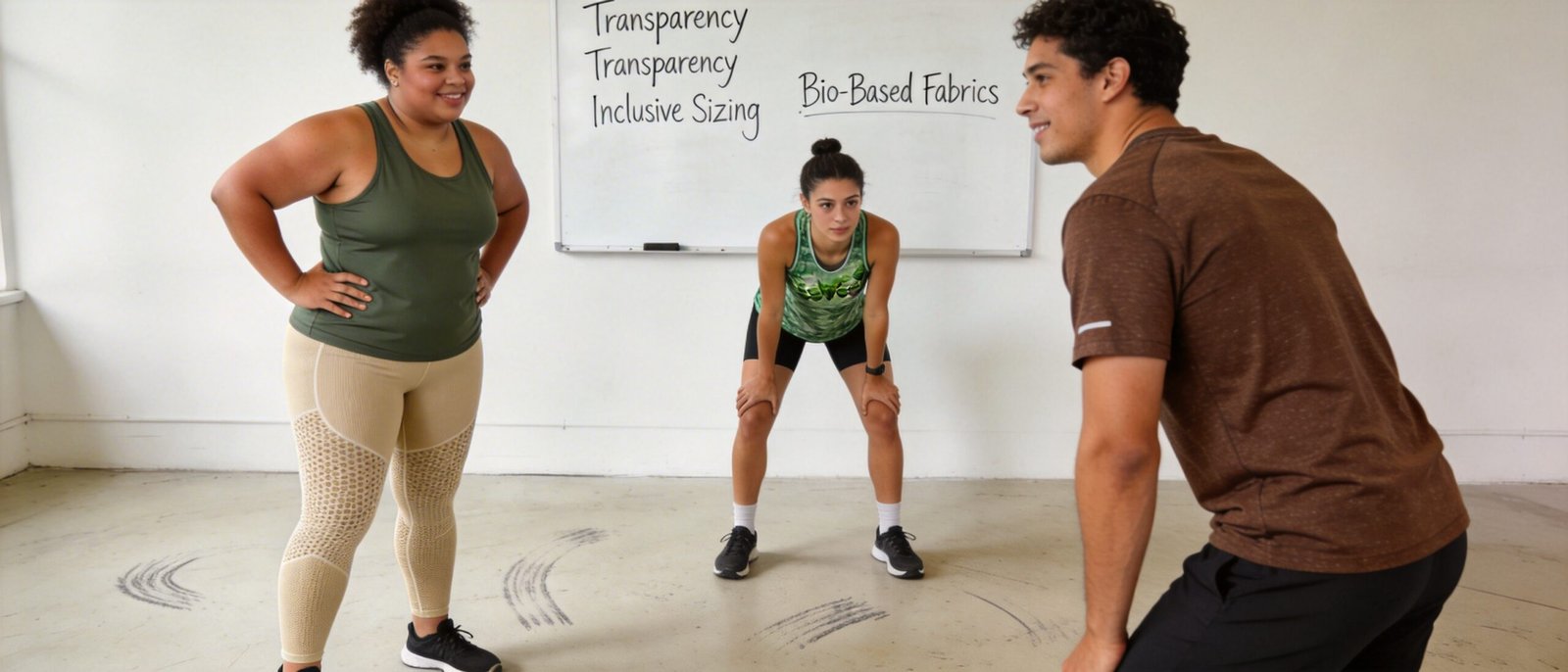
Now that you understand activewear trends 2026:what new brands need to know, it’s time to turn those insights into action. First, focus on a niche: trying to cater to every consumer will spread your brand too thin. Instead, pick a specific audience—like post-pregnancy athletes, adaptive fitness enthusiasts, or eco-conscious trail runners—and tailor your trends to their unique needs.
Second, build community before you launch. Use social media to share your design process, highlight your sustainable suppliers, and engage with your target audience. Consumers are more likely to support a new brand if they feel connected to its mission.
Third, prioritize transparency in every part of your business. From your supply chain to your pricing, be open about how you operate. This builds trust, which is critical for new brands competing against established players.
Finally, don’t be afraid to iterate. The activewear market is constantly evolving, so your brand should too. Use customer feedback and sales data to refine your products and stay ahead of activewear trends 2026:what new brands need to know.
Conclusion
As the activewear market booms into 2026, new brands have a unique opportunity to stand out by leaning into consumer-centric trends: 2026 activewear fabric trends that balance sustainability and performance, sustainable activewear 2026 models that prioritize circularity, inclusive activewear 2026 trends that serve all bodies, and tech-integrated activewear 2026 that solves real problems. At the core of it all, activewear trends 2026:what new brands need to know is simple: success comes from understanding your customers, being transparent about your values, and creating products that work for their lives.
If you’re an emerging activewear brand, now is the time to audit your current strategy against these trends. Are your fabrics both sustainable and high-performing? Does your size range serve your target audience? Are you leveraging tech to solve real pain points? By aligning your brand with these shifts, you can turn trend insights into loyal customers and long-term growth.
Need a Reliable Clothing Manufacturing Partner?
👉 Contact us today to discuss your project (Click the link)