
How to Choose a Full Service Clothing Manufacturer: Key Factors for Success
For clothing brands—whether you’re a bootstrapped startup testing your first collection or a small brand scaling your line—managing disjointed suppliers, navigating production jargon, and juggling design, sampling, and shipping can feel overwhelming. This is where full service clothing manufacturing shines: an end-to-end solution that handles every step of the production process, from initial sketches to final delivery, eliminating the need to coordinate with multiple vendors. It’s a game-changer for full service clothing manufacturing for startups and small brands, offering access to expertise that might otherwise be out of reach, while also catering to the rising demand for sustainable full service clothing manufacturing. As you explore this option, critical details like full service clothing manufacturing minimums and selection criteria will shape your decision. This guide will break down everything you need to know to choose the right full service partner that aligns with your brand’s size, values, and goals.
What Is Full Service Clothing Manufacturing? A Step-by-Step Process Breakdown
From Design & Prototyping to Final Shipping: The Full Service Workflow
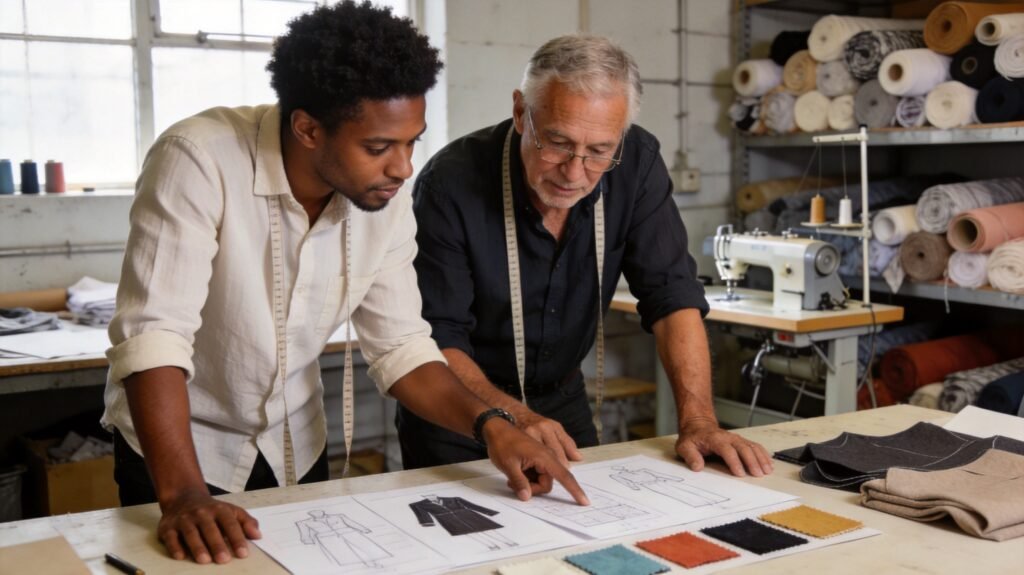
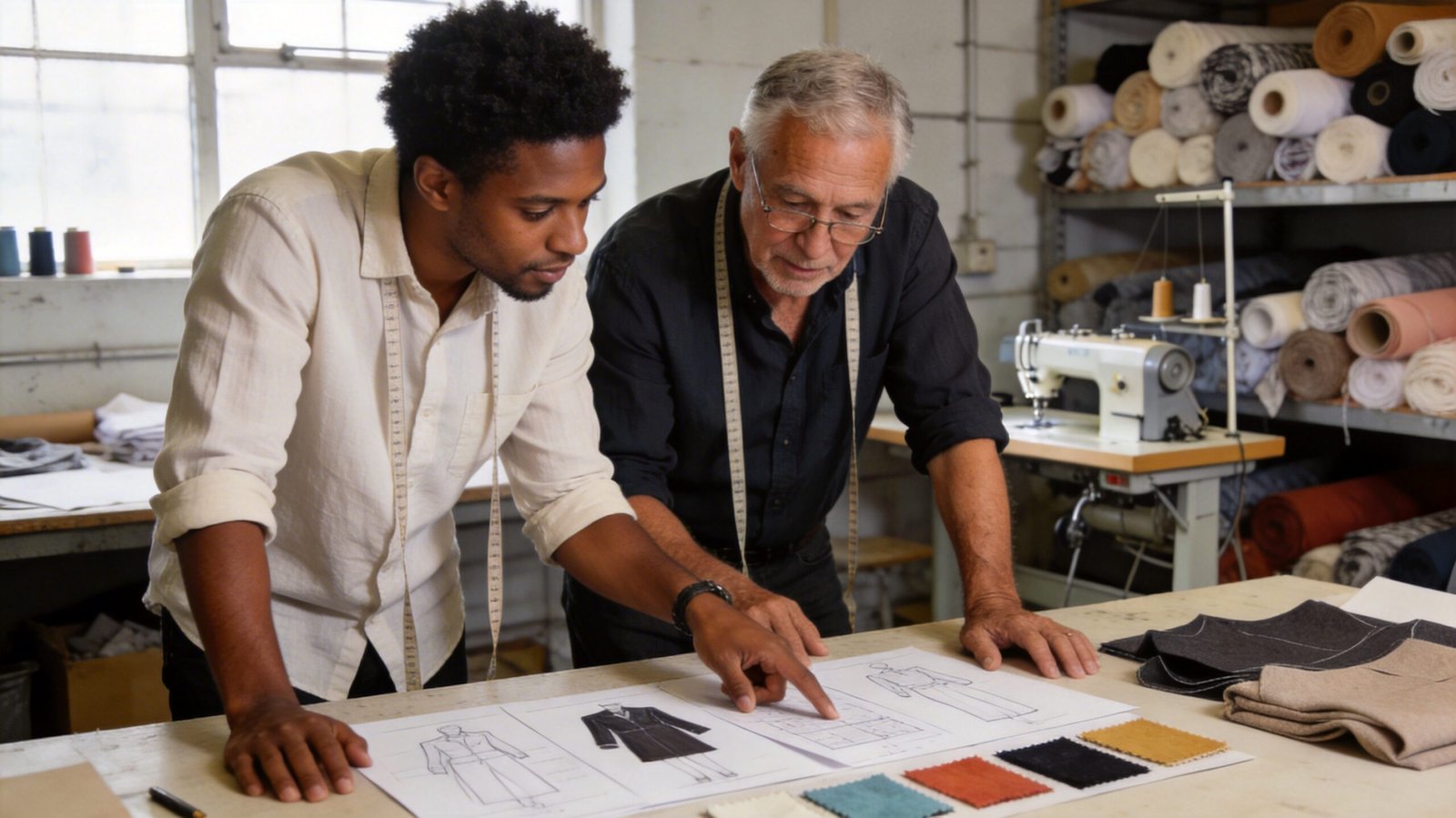
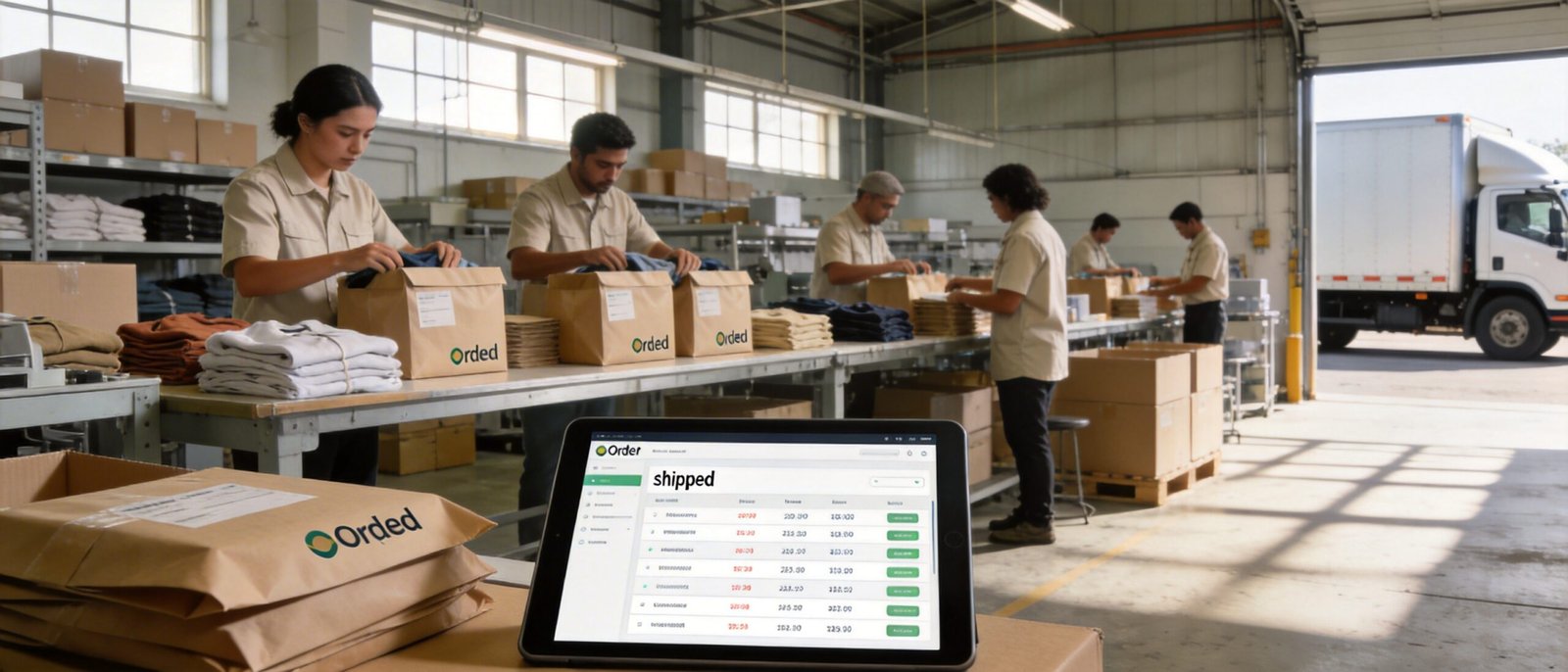
The full service clothing manufacturing process is a seamless, turnkey journey that starts where your brand’s vision begins. It typically kicks off with design collaboration: manufacturers work with you to refine technical sketches, select fabrics, and create initial patterns. Next comes prototyping, where you’ll test a sample of your garment to adjust fit, materials, or details before moving forward. Once the prototype is approved, the manufacturer handles sourcing sustainable or standard materials, cutting, sewing, and quality control—conducting thorough checks at every stage to ensure consistency. Finally, they take care of labeling, packaging, and shipping directly to your warehouse or customers. This end-to-end support means you can focus on branding and sales, not troubleshooting production gaps.
How Full Service Manufacturing Differs from Traditional Production Models
Traditional clothing production often requires brands to coordinate with separate pattern makers, fabric suppliers, cut-and-sew shops, and logistics providers—a fragmented approach that leads to miscommunication, delays, and added costs. Full service clothing manufacturing consolidates all these roles under one roof. Unlike traditional models where you’re responsible for managing every touchpoint, full service manufacturers act as a single point of contact, streamlining communication and reducing the risk of errors. For example, if a fabric is backordered, a full service provider can quickly suggest an alternative and adjust the prototype without you having to track down a new supplier. This integrated model is especially valuable for brands without in-house production expertise.
Full Service Clothing Manufacturing for Startups & Small Brands: Key Considerations
Understanding Full Service Clothing Manufacturing Minimums for New Businesses
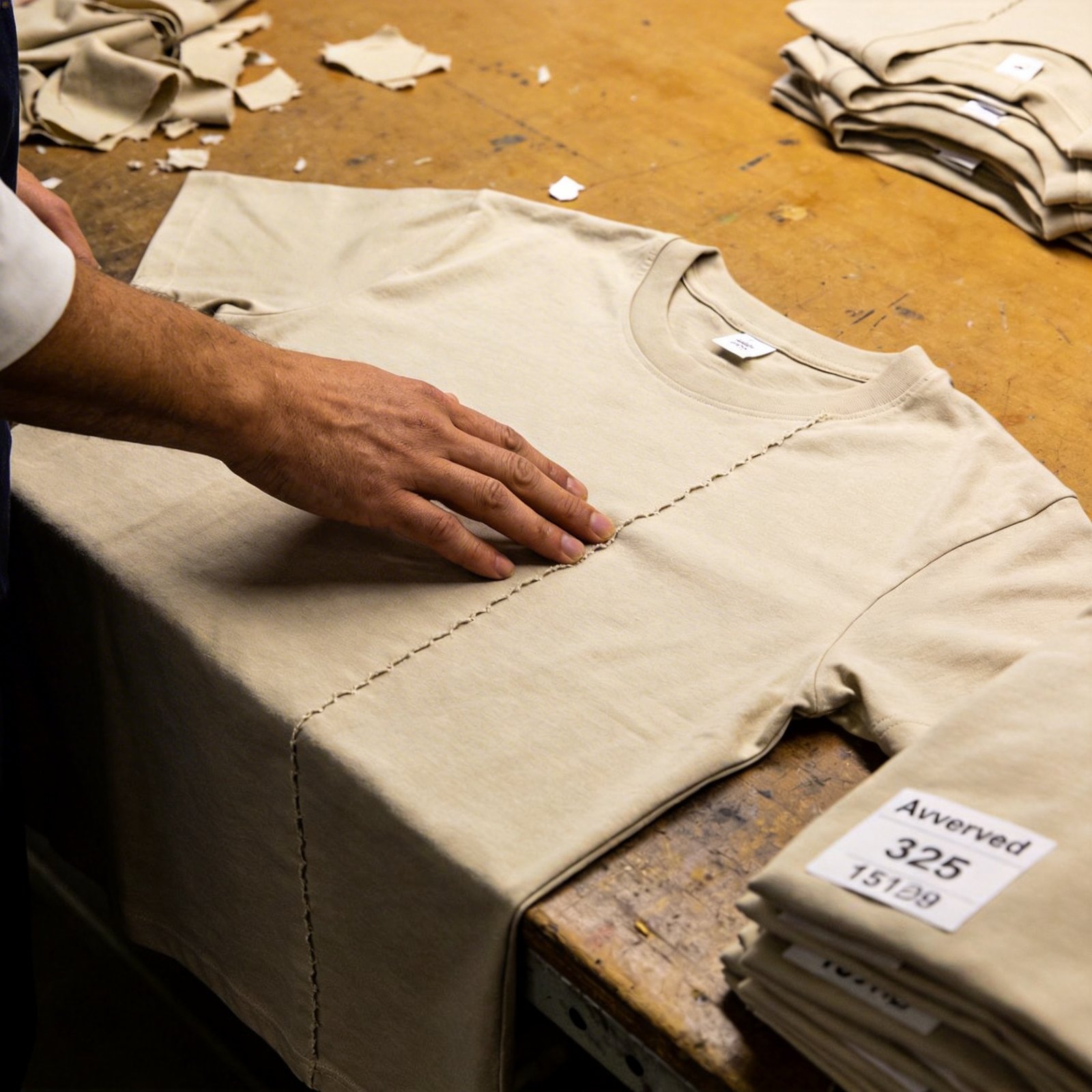
One of the biggest concerns for emerging brands is full service clothing manufacturing minimums—the smallest number of units you can order per style. Unlike large-scale manufacturers that require runs of 500+ units, many full service providers cater to full service clothing manufacturing for startups by offering lower minimums, often starting at 50-100 units per style. This allows new brands to test the market without investing in excessive inventory that might go unsold. When evaluating minimums, be sure to ask about flexibility: some manufacturers will lower minimums for smaller collections or offer tiered pricing as you scale. It’s also important to clarify whether minimums apply per style or per order, as this can significantly impact your initial investment.
Cost-Saving Benefits of Full Service Production for Emerging Brands
For small brands and startups, every dollar counts, and full service production offers hidden cost savings that add up. By consolidating all production steps, you avoid the markup fees that come with hiring multiple vendors. Full service manufacturers also have established relationships with fabric suppliers, so they can negotiate better pricing on materials than individual brands could on their own. Additionally, their expertise reduces the risk of costly mistakes, like producing hundreds of ill-fitting garments that need to be reworked. Many providers also offer bundled pricing for design, prototyping, and production, making it easier to budget upfront without unexpected expenses.
Sustainable Full Service Clothing Manufacturing: A Growing Industry Priority
Eco-Friendly Practices in Full Service Production
Sustainable full service clothing manufacturing is no longer a niche offering—it’s a core expectation for many consumers and brands. Leading full service manufacturers are integrating eco-friendly practices across every stage of the process, from sourcing GOTS-certified organic fabrics and recycled materials to using waterless dyeing techniques and zero-waste pattern cutting. They also prioritize ethical labor practices, ensuring fair wages and safe working conditions for factory staff. Some even offer carbon-neutral shipping options to reduce your brand’s overall environmental footprint. By choosing a sustainable full service partner, you can align your production with your brand’s values without sacrificing quality or efficiency.
How to Vet a Manufacturer for Sustainable Credentials
Not all manufacturers claiming to be sustainable deliver on their promises, so it’s important to do your due diligence. Start by asking for specific certifications, such as GOTS (Global Organic Textile Standard), Fair Trade, or OEKO-TEX, which verify eco-friendly and ethical practices. Request details about their material sourcing: do they work with local suppliers to reduce transportation emissions? What waste-reduction measures do they have in place, like recycling fabric scraps? You should also ask to visit their facility (in person or via virtual tour) to see their processes firsthand. A transparent sustainable full service clothing manufacturer will be happy to share this information and answer your questions.
How to Choose a Full Service Clothing Manufacturer: Critical Selection Criteria
Now that you understand the value of full service clothing manufacturing, it’s time to narrow down your options. Start by defining your core needs: are you a startup prioritizing low minimums, a small brand focused on sustainability, or a business looking to scale quickly? Next, evaluate a manufacturer’s expertise: do they have experience producing your type of garment (e.g., activewear, formalwear)? Request samples of their past work to assess quality, and ask for references from other brands they’ve worked with. Communication is also key—look for a manufacturer that responds promptly, listens to your feedback, and explains processes in clear, non-technical terms. Finally, compare pricing structures carefully, making sure to account for all costs (prototyping, materials, shipping) to avoid surprises. By focusing on these criteria, you’ll find a partner that aligns with your brand’s goals and sets you up for long-term success.
Conclusion
Full service clothing manufacturing is a versatile solution that addresses the unique challenges faced by startups, small brands, and businesses prioritizing sustainability. It eliminates the stress of managing multiple suppliers, offers flexible full service clothing manufacturing minimums for new businesses, and integrates eco-friendly practices that resonate with modern consumers. By understanding the full service clothing manufacturing process, evaluating key considerations for emerging brands, and vetting for sustainable credentials, you can make an informed decision that supports your brand’s growth. Whether you’re launching your first collection or scaling an existing line, the right full service partner will turn your vision into a tangible, market-ready product—allowing you to focus on what you do best: building your brand. Now, take stock of your business needs, and start your search for a full service manufacturer that can help you achieve your goals.