

2026 Clothing Factory Quality Service: Standards, Trends, and Best Practices for Brands

Today’s apparel consumers don’t just buy clothes—they invest in brands that deliver consistent quality, ethical production, and transparent operations. For clothing brands, this means the bar for manufacturing partnerships is higher than ever, and heading into 2026, the demands will only grow more specific. At the center of this shift is 2026 clothing factory quality service: a holistic combination of updated benchmarks, tech-driven processes, and customer-centric support that will define successful brand-manufacturer relationships. This guide breaks down the latest 2026 garment quality standards, upcoming service trends, critical QC updates, and actionable best practices to help your business align with future industry expectations or select the right manufacturing partners.
2026 Garment Quality Standards: What’s Changing for Clothing Factories
Regulatory and Consumer-Driven Updates to Quality Benchmarks
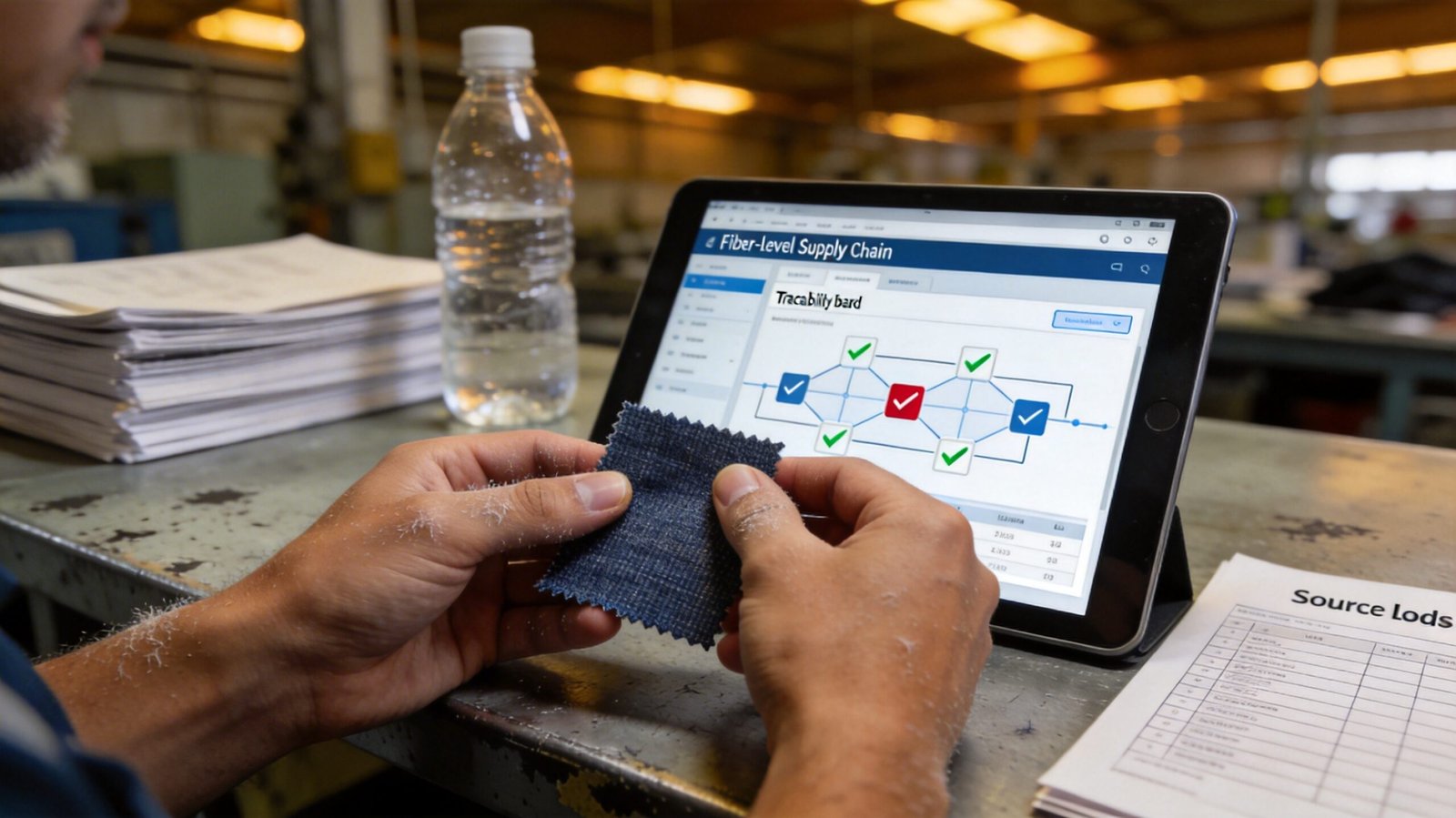
Heading into 2026, quality standards are no longer just about stitch counts or fabric durability—they’re being reshaped by both global regulators and hyper-aware consumers. Regulatory bodies are tightening benchmarks for product safety, with new requirements for traceability of raw materials (down to fiber level) and stricter testing for harmful chemicals in dyes and finishes. For example, factories will need to document every step of material sourcing to prove compliance, not just provide a final test report.
Consumers are also driving change, demanding consistency across sizes and batches that goes beyond basic fit. Brands that have faced backlash over inconsistent sizing or premature wear are pushing factories to adopt standardized fit templates and batch-to-batch quality audits that account for subtle variations in fabric stretch and construction. These updates mean 2026 garment quality standards will require factories to balance regulatory rigor with consumer-focused functional quality.
Sustainability-Focused Quality Requirements for 2026
Sustainability is no longer a “nice-to-have” in quality standards—it’s a core requirement for 2026. New benchmarks will tie quality directly to environmental impact, with factories expected to prove that sustainable materials (like recycled polyester or organic cotton) meet the same durability and performance standards as conventional alternatives. For example, recycled fabrics will need to pass rigorous pilling and colorfastness tests that match or exceed traditional materials.
Additionally, 2026 clothing factory quality service will include standards for production waste reduction, such as limiting fabric off-cuts to under 5% per batch and ensuring zero-waste pattern grading is used where possible. Factories that can’t demonstrate these sustainable quality practices will be left behind by brands targeting eco-conscious consumers.
2026 Factory Service Trends Shaping Apparel Manufacturing
Transparency and Real-Time Communication Tools
One of the biggest 2026 factory service trends is the shift toward full transparency and real-time collaboration. Brands are no longer satisfied with monthly progress updates; they want access to live data on production timelines, quality checks, and material stock levels. Factories are responding by adopting cloud-based platforms that let brands track every garment’s journey from cutting table to shipping container, with automated alerts for any quality issues or delays.
This trend also extends to ethical transparency: factories will provide verified, real-time data on worker wages and working conditions, integrated into the same communication tools. For brands, this means no more relying on annual audits—they can monitor compliance on an ongoing basis, building trust with consumers who demand ethical production proof.
Customized Quality Service Packages for Niche Brand Needs
As the apparel market becomes more fragmented with niche brands (think adaptive clothing, performance activewear, or vintage-inspired denim), 2026 clothing factory quality service is moving away from one-size-fits-all packages. Factories are now offering customized quality solutions tailored to a brand’s specific needs. For example, a performance activewear brand might get a package focused on moisture-wicking fabric testing and seam durability audits, while a sustainable children’s clothing brand could prioritize non-toxic material testing and zero-waste production checks.
These customized packages also include flexible QC schedules—niche brands with small batch runs can opt for pre-production and post-production checks only, while large-scale brands can request in-line audits for every step of production. This flexibility ensures brands pay only for the quality services they need, without sacrificing standards.
Apparel Quality Control Checks & 2026 Clothing QC Updates
Core Garment Quality Best Practices for Consistent Compliance
Even with new tech and standards, garment quality best practices remain the foundation of reliable production. For 2026, these best practices will focus on proactive rather than reactive checks. Factories will implement pre-production meetings to align with brands on quality expectations, including fit samples, fabric specifications, and labeling requirements, before any full production begins.
In-line quality checks will also become more frequent: instead of checking 10% of garments at the end of production, factories will inspect 20% of pieces at key stages (cutting, sewing, finishing) to catch issues early and reduce waste. Post-production, final audits will include not just visual checks but functional testing—like stretching seams to ensure durability or washing samples to test colorfastness—before shipping.
Tech-Enabled QC Innovations Launching in 2026
2026 clothing QC updates are all about tech that makes checks faster, more accurate, and less labor-intensive. AI-powered visual inspection tools will become standard, using cameras to scan every garment for stitching errors, fabric defects, and misaligned labels—catching issues that human inspectors might miss, at a rate of hundreds of garments per hour.
Another innovation is wearable tech for factory workers: smart gloves that detect tension in stitches, alerting sewers if they’re sewing too tightly or loosely, which reduces inconsistent seam quality. These tech tools don’t replace human inspectors—they augment their work, letting them focus on more complex checks like fit and functional performance.
Garment Factory Service Guides & Apparel Quality Service FAQs

Garment Factory Service Guides: How to Evaluate a Partner’s 2026 Readiness
When selecting a manufacturing partner for 2026, use this garment factory service guide to assess their quality capabilities:
1. Ask for documentation of their compliance with 2026 garment quality standards, including sustainability and traceability benchmarks.
2. Test their communication tools: Do they offer real-time production tracking? Can they share live QC data?
3. Request a customized quality service package tailored to your brand’s niche needs, to ensure they can adapt to your specific requirements.
4. Ask for references from brands similar to yours, to verify their track record with consistent quality and on-time delivery.
Apparel Quality Service FAQs
- Q: How will 2026 clothing factory quality service impact my brand’s pricing?
A: While customized QC packages and sustainable quality checks may add minor costs, they can reduce long-term expenses by minimizing returns, waste, and brand reputation damage. Many brands are passing these small costs to consumers who are willing to pay for higher quality and transparency. - Q: What if my current factory doesn’t meet 2026 garment quality standards?
A: Start by working with your factory to create a transition plan, focusing on high-priority updates like traceability and sustainable material testing. If they can’t adapt, use the garment factory service guide above to identify partners who are already aligned with 2026 standards. - Q: Do small brands need to invest in the same 2026 clothing QC updates as large brands?
A: Small brands can prioritize cost-effective tech, like cloud-based communication tools, and focus on core apparel quality control checks (pre-production, in-line, post-production) before adopting AI-powered inspection tools. The key is to align with standards that matter most to your target consumers.
Conclusion
Heading into 2026, 2026 clothing factory quality service is evolving from a basic operational function to a strategic differentiator for brands. The latest 2026 garment quality standards tie quality to sustainability and traceability, while 2026 factory service trends prioritize transparency and customized support. Meanwhile, 2026 clothing QC updates are leveraging tech to make checks faster and more accurate, all built on foundational garment quality best practices.
By aligning with these changes, brands can meet consumer demands, comply with new regulations, and build long-term trust with their audience. Now is the time to evaluate your current manufacturing partners: do they have the systems, standards, and flexibility to deliver the quality service you’ll need in 2026? If not, use the garment factory service guide in this article to start identifying partners that can help your brand stay competitive in the years ahead.